
Weatherproof exterior aluminum cladding solutions draw a hard line between costly facade failure and buildings that hold up.
Smart teams specify systems that fit the project, cut risk, and keep maintenance sane.
Quick Answers: Weatherproof Exterior Aluminum Cladding Solutions
➔ Boost corrosion resistance & energy efficiency with high-grade aluminum panels and integrated insulation cores.
➔ Enhance wind and acoustic performance using extruded profile engineering and ventilated rainscreen designs.
➔ Secure long-term durability and compliance through ASTM/AAMA testing, BIM-driven structural analysis, and rigorous QA protocols.
5 Surprising Benefits Of Weatherproof Exterior Aluminum Cladding Solutions
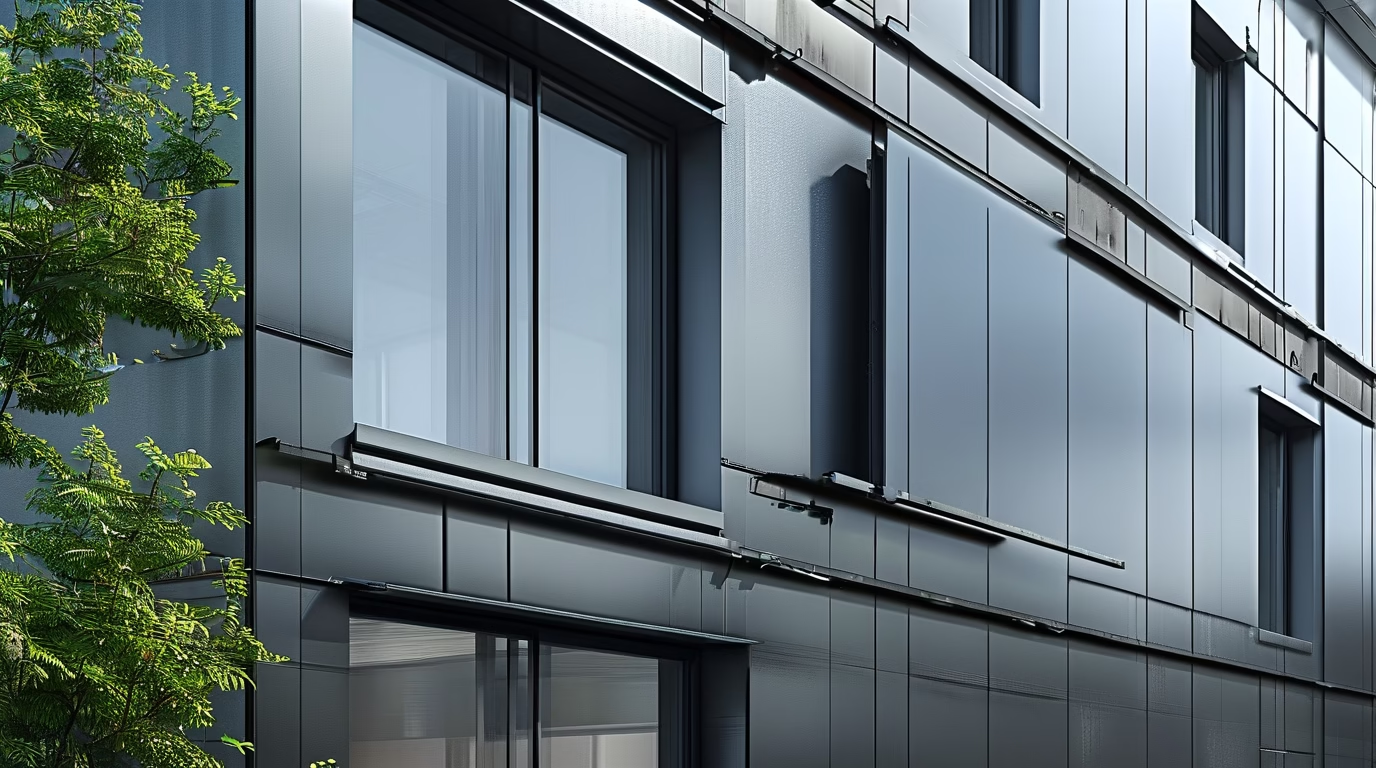
Weather hits hard—rain, wind, heat, and city pollution don’t take a day off. That’s why Weatherproof exterior aluminum cladding solutions have become a go-to move for modern buildings. From tighter thermal performance to stronger wind load resistance, these exterior systems quietly handle a lot more than most people expect.
Boosted Corrosion Resistance through Superior Aluminum Panels
When it comes to corrosion and long-term durability, not all aluminum panels are created equal. High-grade alloys plus advanced coatings give Weatherproof exterior aluminum cladding solutions their edge.
-
Thick anodized layers
-
PVDF-coated exterior cladding surfaces
-
Sealed panel joints for added resistance
-
Surface treatment blocks moisture.
-
Coating shields against pollutants.
-
Structural backing protects panel edges.
Performance Snapshot
| Environment Type | Corrosion Rate (mm/year) | Expected Panel Lifespan (Years) |
|---|---|---|
| Coastal | 0.05 | 40+ |
| Industrial | 0.04 | 35–40 |
| Urban | 0.03 | 35+ |
| Suburban | 0.02 | 30–35 |
| Rural | 0.01 | 30+ |
In short, Weatherproof exterior aluminum cladding solutions help buildings stay sharp-looking and structurally sound, even when the climate isn’t playing nice.
Enhanced Energy Efficiency with Integrated Insulation Core
Energy bills creeping up? A high-performance insulation core inside aluminum composite panels changes the game.
-
Lower thermal transfer
-
Better energy efficiency
-
Stronger building envelope
Here’s how it works:
-
Outer aluminum layer reflects solar heat.
-
Insulated core slows heat flow.
-
Ventilated cavity balances internal air pressure.
Within the building envelope system:
-
Exterior layer: shields weather
-
Coated aluminum skin
-
Moisture barrier
-
-
Middle layer: thermal control
- Mineral-filled insulation
-
Inner support: structural framing
The result? A cooler interior in summer, warmer rooms in winter, and steady thermal performance year-round. That’s the quiet strength of Weatherproof exterior aluminum cladding solutions done right.
Superior Wind Load Resistance via Extruded Profile Engineering
High-rise towers face serious wind load pressure. Engineered extruded profiles bring structural confidence to any facade.
-
Reinforced profiles
-
Calculated load resistance
-
Precision engineering
Engineering logic inside the facade system:
-
Structural frame
-
Horizontal rails
-
Vertical mullions
-
-
Panel attachment
-
Mechanical fasteners
-
Clip systems
-
-
Pressure distribution
-
Even stress transfer
-
Reduced panel flex
-
Strong wind resistance keeps panels stable, reducing vibration and long-term fatigue. Brands like Wallnova fine-tune extrusion geometry so buildings in storm-prone regions don’t flinch when gusts roll through.
Acoustic Insulation Gains from a Ventilated Rainscreen System
City noise can drive anyone nuts. A ventilated rainscreen adds serious acoustic insulation benefits to Weatherproof exterior aluminum cladding solutions.
-
Air cavity absorbs sound
-
Insulated backing supports noise reduction
-
Sealed joints improve control
Step-by-step acoustic flow:
-
External noise hits the aluminum surface.
-
Air gap diffuses vibration.
-
Insulation layer dampens residual sound.
Inside the layered system:
-
Outer shield
- Aluminum cladding
-
Middle cavity
- Ventilated gap
-
Inner layer
- Dense insulation board
The outcome is calmer indoor space, especially near highways or rail lines.
Elevated Fire Safety Ratings with Composite Panel Technology
Fire rules are strict, and rightly so. Modern composite panels now feature non-combustible or fire-retardant cores that raise fire safety ratings.
-
Mineral-filled core
-
Tested protection systems
-
Code-compliant building code approvals
Compliance pathway:
-
Material selection
-
Certified composite panels
-
Approved core materials
-
-
Lab testing
-
Flame spread index
-
Smoke development rating
-
-
Certification
-
National fire safety standards
-
Local building code checks
-
That layered approach boosts protection without sacrificing design. With Weatherproof exterior aluminum cladding solutions, safety isn’t an afterthought—it’s built into the system. Wallnova integrates compliant materials so architects can meet strict codes while keeping the facade sleek and modern.
4 Steps To Specify Custom Exterior Cladding
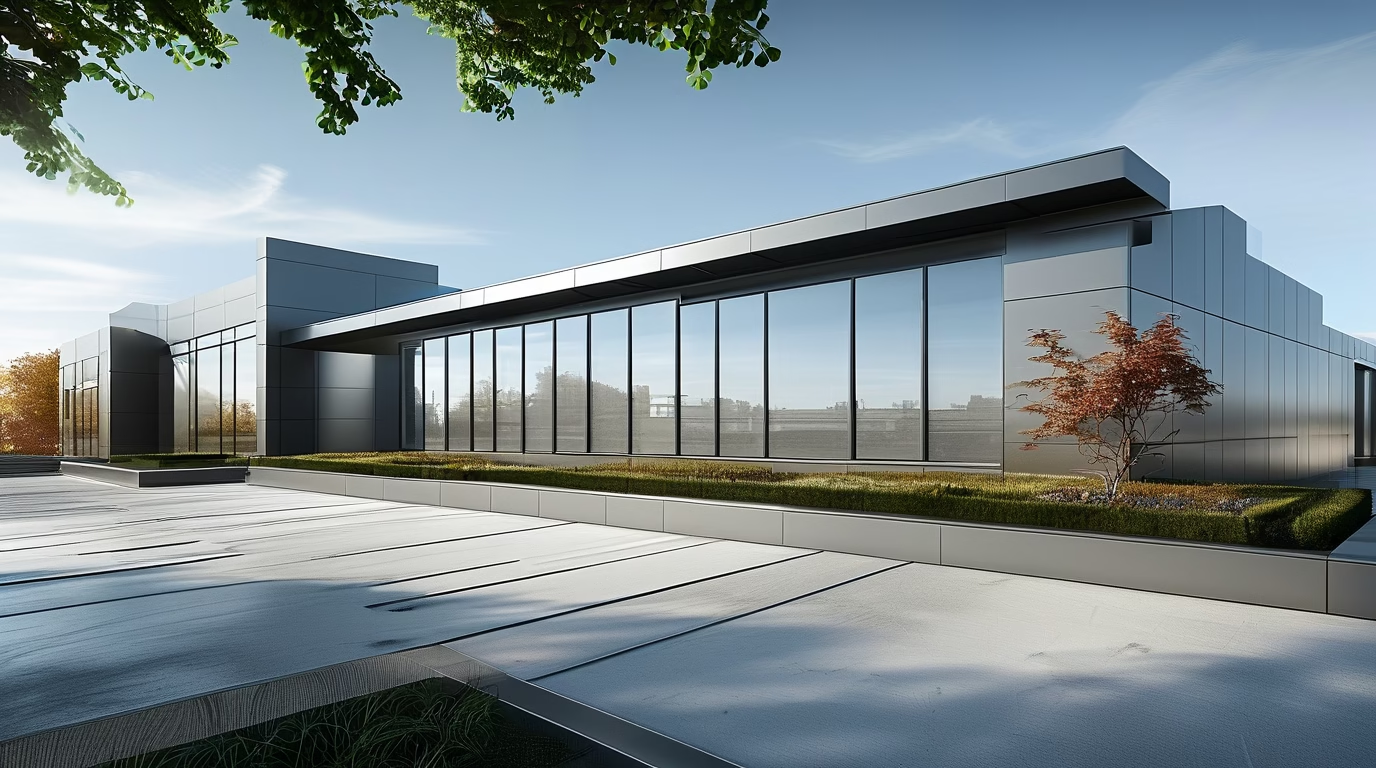
Custom facades are not guesswork; they’re a careful mix of climate logic, design goals, and buildability. When planning Weatherproof exterior aluminum cladding solutions, teams break the process into focused decisions that protect the building and keep budgets sane. From performance criteria to final sign-off, each move shapes long-term value.
Defining Performance and Weatherproofing Requirements
Specifying Weatherproof exterior aluminum cladding solutions starts with aligning performance criteria to site reality.
-
Core priorities:
-
Weather resistance
-
Moisture protection
-
Thermal performance
-
Long-term durability
-
-
Review local environmental factors—wind exposure, freeze-thaw cycles, UV index.
-
Cross-check with current building codes.
-
Set measurable targets for air infiltration and water penetration.
A quick breakdown helps:
-
Exterior layer → blocks bulk water.
-
Cavity design → drains and dries.
-
Insulated backing → stabilizes interior comfort.
This layered logic keeps exterior aluminum cladding performing year after year. With Weatherproof exterior aluminum cladding solutions, performance is engineered, not assumed.
Selecting Optimal Systems and Material Components
Choosing the right cladding systems shapes how well exterior aluminum panels handle stress.
-
System paths:
-
Unitized assemblies
-
Pressure-equalized rainscreens
-
Stick-built framing with sub-framing
-
Material decisions stack up:
-
Aluminum panels thickness and alloy grade
-
Continuous insulation type
-
High-grade sealants and tested fastening methods
-
Protective finishes
That trend explains why Weatherproof exterior aluminum cladding solutions are now standard on commercial builds. At Wallnova, material selection balances aesthetics with material selection discipline—every layer supports weatherproof exterior cladding integrity.
Coordinating Structural Analysis and BIM Modeling
No facade survives without verified structural integrity.
-
Load checks include:
-
Design wind loads
-
Drift under seismic considerations
-
Dead and live load bearing impacts
-
Digital workflow keeps surprises low:
-
Integrate BIM integration early.
-
Run digital modeling simulations.
-
Execute coordinated clash detection with MEP and structure.
Nested coordination often follows this logic:
-
Structural review
-
Panel deflection limits
-
Anchor capacity checks
-
-
Envelope modeling
-
Thermal bridge review
-
Attachment spacing validation
-
-
Design coordination
-
Architect sign-off
-
Engineer recalculations
-
For Weatherproof exterior aluminum cladding solutions, precise modeling avoids costly rework. Wallnova teams sync facade engineering with structure so exterior aluminum cladding panels align cleanly and stay secure.
Finalizing Compliance and Quality Assurance Protocols
Compliance is where promises get tested.
-
Verify regulatory compliance with ASTM and AAMA.
-
Document testing procedures for air, water, and impact.
-
Confirm site installation guidelines match shop drawings.
Quality layers build confidence:
-
Factory quality control checks
-
Field inspections
-
Final documentation package
Under the umbrella of industry standards, teams secure warranties, define maintenance plans, and archive performance data. Solid documentation protects owners long after installation.
With Weatherproof exterior aluminum cladding solutions, closing the loop on compliance ensures the facade looks sharp and performs hard—no shortcuts, just disciplined execution backed by Wallnova expertise.
What Makes Cladding Truly Weatherproof?
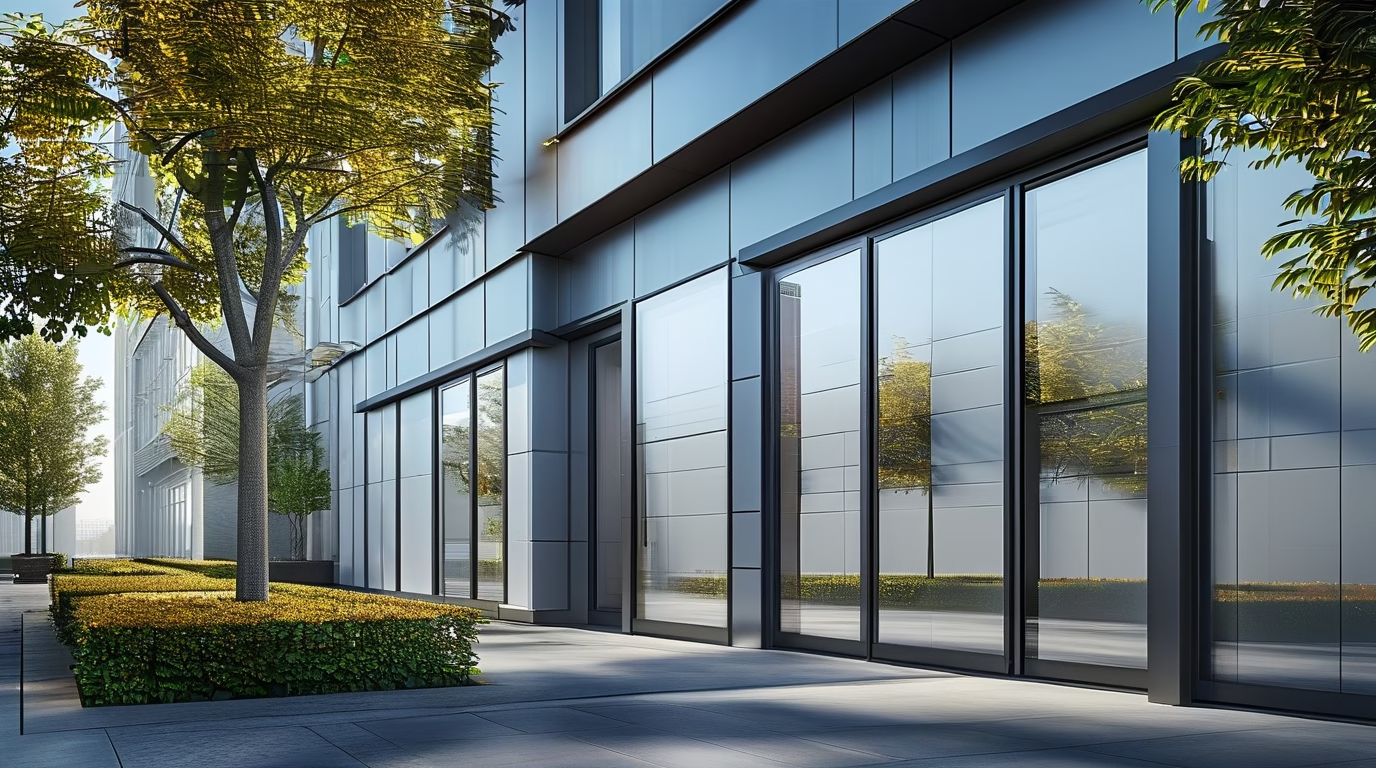
Weatherproof exterior aluminum cladding solutions sound technical, yet the idea is simple: keep water out, manage air, and hold strong for decades. When exterior aluminum panels meet smart moisture control and tight installation, buildings stay dry and energy bills stay sane. Let’s break down how weatherproof aluminum curtain wall system actually pull this off.
Sealants and Gaskets: The First Line of Defense
In Weatherproof exterior aluminum cladding solutions, the sealant and gasket system handles the daily grind—rain, wind, and expansion.
-
Joint Protection
-
Primary layer
-
High‑grade sealant with tested adhesion
-
Bonds to aluminum substrate
-
Maintains flexible weather seal
-
-
Secondary layer
-
Compression gasket
-
Reinforces air barrier
-
Supports moisture barrier
-
-
-
Movement Control
-
Thermal shifts
- Flexible joint width
-
Structural sway
- Elastic recovery rating
-
• Key checks: cure time, compatibility, UV stability.
1) Inspect joint depth. 2) Apply backing rod. 3) Tool sealant evenly.
Optimizing Vapor Barriers for Effective Moisture Control
Exterior aluminum cladding needs tight vapor barrier detailing to stop hidden condensation.
-
Control humidity at the building envelope
-
Balance permeability and vapor diffusion
-
Protect insulation performance
A clean install matters: seal laps, tape penetrations, test continuity. No shortcuts.
That’s why Weatherproof exterior aluminum cladding solutions focus on full-system moisture control, not just panels.
Anchoring Brackets and Building Envelope Integration
Behind every sleek facade sits a serious anchoring system.
-
Structural Path
-
Bracket to slab edge
- Verified load bearing capacity
-
Transfer to primary structural support
-
-
Thermal Strategy
-
Isolate thermal bridge
-
Thermal pads
-
Spacers
-
-
-
Installation Control
-
Torque checks
-
Alignment within facade grid
-
Done right, the building envelope and facade act as one tight unit.
Performance Testing Protocols for Long-Term Durability
Weatherproof exterior aluminum cladding solutions earn trust through performance testing.
-
Air infiltration
-
Water penetration
-
Structural pressure
Standards include ASTM standards for air and water, plus accelerated aging to check durability. In plain terms: blast it with wind-driven rain, heat it up, cool it down, repeat.
Wallnova aligns material testing, factory quality control, and full-system lifecycle checks so weather resistance isn’t marketing fluff—it’s verified performance.
That’s how exterior aluminum cladding stays solid year after year.
Urban High-Rise: Slim Profile Weatherproof Panels
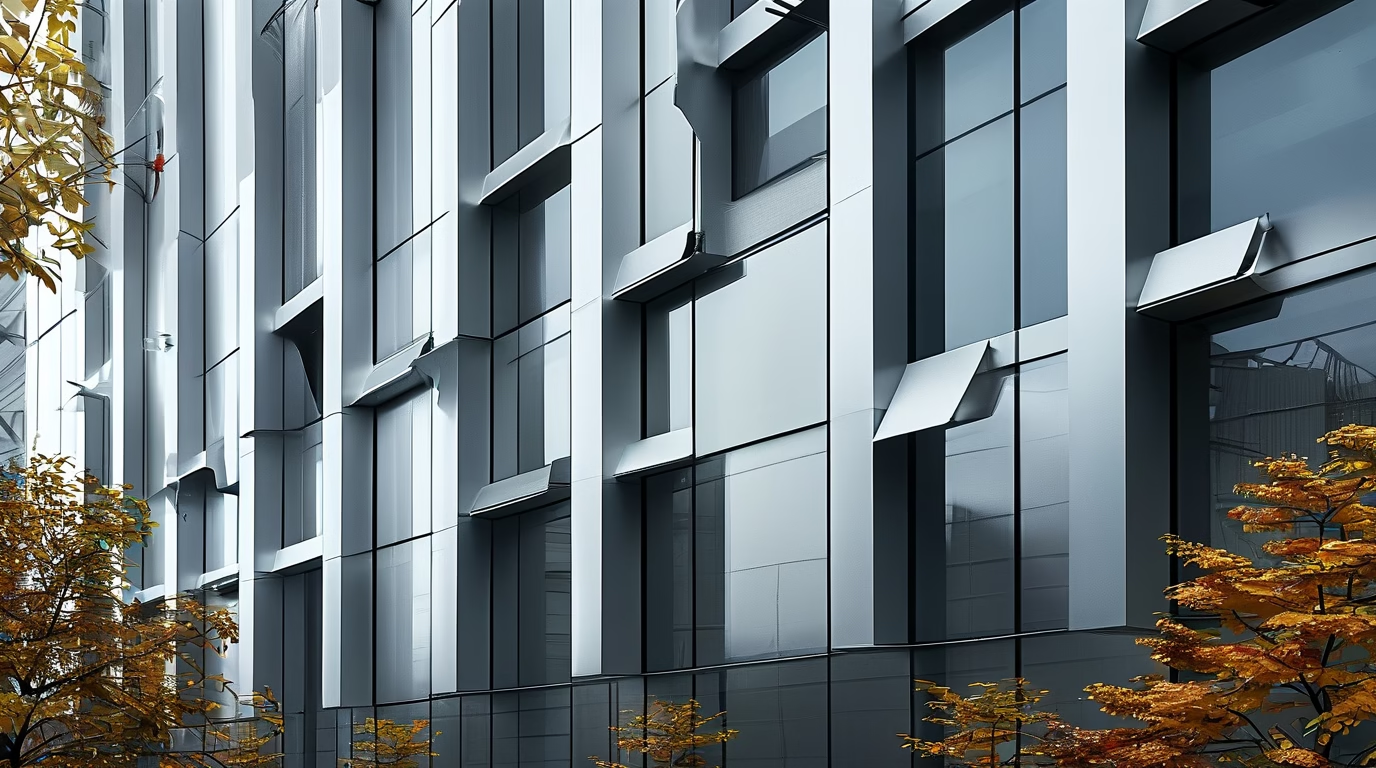
Urban towers demand Weatherproof exterior aluminum cladding solutions that stay sharp under pressure—wind, rain, heat, and time. This cluster breaks down how slim aluminum systems meet design ambition while keeping crews sane on-site. If you’re chasing durable, clean-lined façades, this is where things get real.
Custom Fabrication of Extruded Aluminum Profiles
At the core of Weatherproof exterior aluminum cladding solutions sits precision-built framing shaped through Custom fabrication and advanced Extruded aluminum processing.
-
Key drivers:
-
Profile design
-
Alloy selection
-
Material specification
-
-
Concept alignment
-
Structural validation
-
Production calibration
★ Tight tolerances. Clean edges. Repeatable output.
Manufacturing process flow
-
Design Engineering
1.1 Define load targets
1.2 Coordinate facade geometry
1.3 Lock Precision engineering metrics
-
Billet & Alloy Control
2.1 Select corrosion-resistant grade
2.2 Verify strength-to-weight ratio
-
Extrusion & Finishing
3.1 Die shaping
3.2 Thermal treatment
3.3 Surface coating for exterior aluminum panels
Wallnova aligns fabrication depth with architectural intent, keeping slim profiles strong without overbuilding. That balance keeps aluminum cladding systems efficient and sharp.
Ensuring Wind Load Resistance in Tall Facades
High-rise envelopes live or die by Wind load performance. In tall High-rise buildings, suction forces shift fast.
Engineering framework
-
Structural analysis
1.1 Digital simulation
1.2 Dynamic pressure modeling
-
Cladding system testing
2.1 Mock-up chamber trials
2.2 Performance testing against local Building codes
-
Anchoring logic
3.1 Reinforced Anchoring mechanisms
3.2 Slab-edge integration
-
Core safeguards:
-
Redundant fixings
-
Reinforced brackets
-
Movement joints
-
According to CBRE’s 2025 Global Construction Outlook:
“Demand for resilient facade systems continues to rise in dense urban cores, where wind exposure and climate stress are intensifying design requirements.”
Wallnova engineers its Weatherproof exterior aluminum cladding solutions around verified load paths, not guesswork. That’s how facade engineering stays calm when storms hit.
Streamlined On-Site Assembly and Joint Sealing Methods
Speed matters. So does tight sealing. Good On-site assembly blends smart prep with clean execution.
Installation sequence
-
Pre-labeled panel delivery
-
Frame alignment checks
-
Progressive panel locking
-
Final Joint sealing
-
Essential components:
-
Sealant materials
-
Controlled Fastening systems
-
Accurate Panel integration
-
Weatherproofing strategy
-
Primary barrier
1.1 Compression gaskets
-
Secondary defense
2.1 Liquid-applied seals
-
Drainage path
3.1 Pressure-equalized cavities
Crews appreciate systems that just click. Slim weatherproof exterior cladding panels reduce lift weight, speed alignment, and limit site errors. With Wallnova, Weatherproof exterior aluminum cladding solutions translate from drawings to skyline without drama—tight seams, dry interiors, and construction efficiency that keeps projects moving.
 English
  Français
  Bahasa Indonesia
  Deutsch
  Italiano
  Español
  العربية
  Español de México
  Nederlands
  香港中文
香港中文