
Aluminum curtain walls look sleek, but hidden heat loss can send energy bills through the roof. Without an effective aluminum curtain wall thermal break, conductive frames undermine insulation, raise U-values, and increase condensation risks.
Polyamide strips help stop heat in its tracks, but smart engineering makes the difference. From precision extrusion to glazing design, discover how manufacturers build energy-efficient curtain walls that balance insulation, durability, and long-term performance.
Quick Notes on Aluminum Curtain Wall Thermal Break
➔ Polyamide Strip Optimization: Tailor strip width and placement via thermal simulation to minimize U-value and prevent condensation.
➔ Mechanical & Adhesive Integration: Combine precision-rolled thermal struts with compatible epoxy bonding to ensure structural stability and uniform load distribution.
➔ Sealing & Surface Protection: Use continuous silicone sealants and EPDM gaskets for airtightness, then choose powder coating or anodizing per AAMA standards to enhance durability and weather resistance.

Aluminum Curtain Wall Thermal Break Components Explained
An aluminum curtain wall thermal break system relies on carefully matched components to control heat loss, prevent condensation, and maintain structural strength. From insulation strips to protective finishes, each part matters. Aluminum Curtain Wall solutions combine these materials to improve comfort, energy efficiency, and long-term facade performance.
Polyamide Strip: The Core of Thermal Transmittance Control
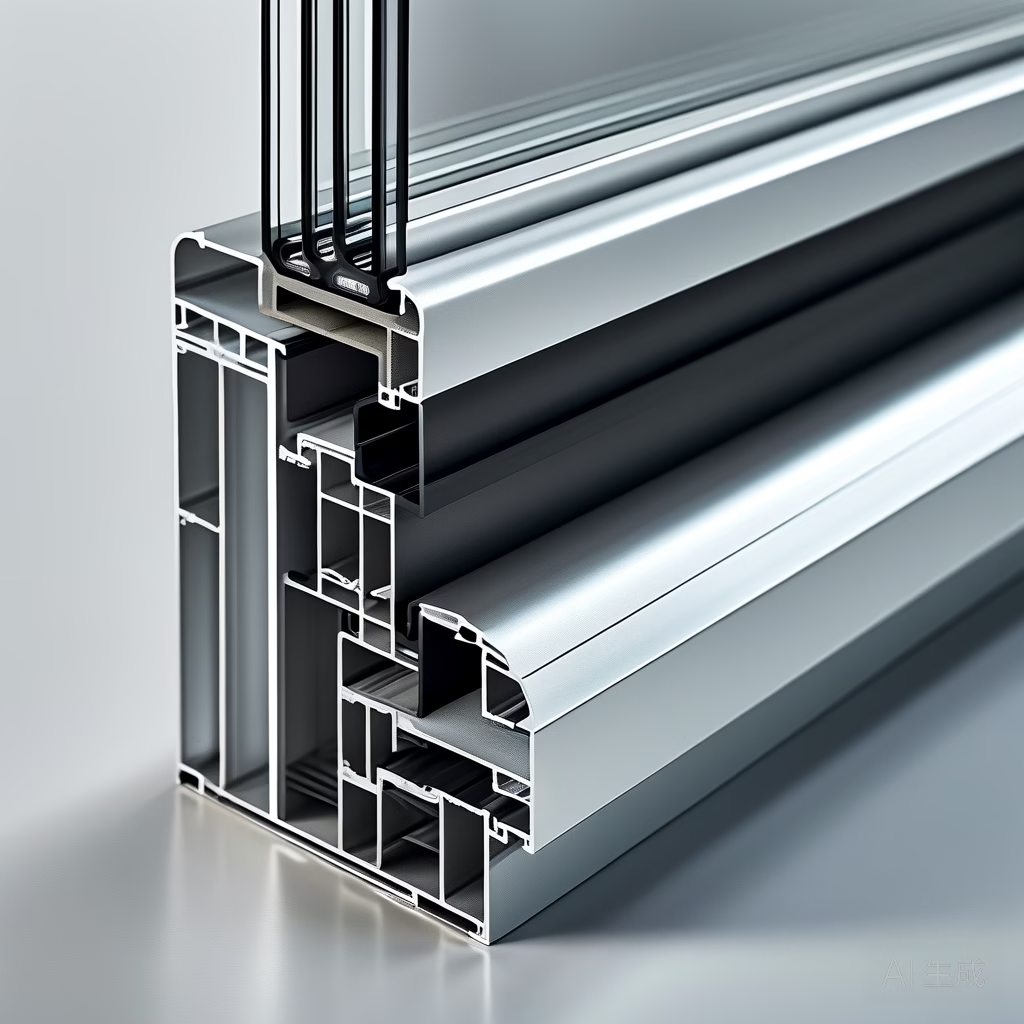
A polyamide strip creates a thermal break between aluminum profiles, reducing unwanted heat transfer.
-
Thermal performance
-
Lower thermal transmittance improves frame insulation.
-
Strip width and conductivity influence the U-value.
-
-
Practical benefits
-
Better energy performance reduces heating and cooling demands.
-
Warmer interior frame surfaces help limit condensation.
-
Extruded Aluminum Profile and Thermal Strut Rolling Integration
The extruded aluminum profile provides the foundation for a stable curtain wall frame.
-
Assembly: A thermal strut connects separated aluminum profiles.
-
Mechanical locking uses knurled channels and controlled pressure.
-
Proper rolling integration maintains alignment.
-
-
Performance: Accurate installation supports structural stability without sacrificing thermal separation.
Epoxy Adhesive Bonding for Enhanced Load-Bearing Capacity
Epoxy adhesive can strengthen connections when approved for the specific system.
-
Bonding improves joint stiffness and load distribution.
-
Shear strength testing verifies connection performance.
-
Composite action depends on reliable force transfer.
-
-
Durability requires thermal cycling and aging tests.
Adhesive alone should never replace specified mechanical connections without engineering approval.
Silicone Sealant & Gasket Rubber in Air Permeability Management
Good weatherproofing keeps unwanted drafts and moisture outside.
-
Silicone sealant accommodates joint movement.
-
Gasket rubber, commonly EPDM, maintains compression.
-
Reduced air permeability limits infiltration.
-
Reliable water tightness protects interior materials.
-
Together, these components support aluminum curtain wall thermal break performance throughout changing weather conditions.
Powder Coating vs. Anodizing Treatment for Weather Resistance
Both finishes protect an aluminum facade, but their characteristics differ.
-
Powder coating: Offers flexible colors, strong corrosion protection, and attractive surface finish options.
-
Anodizing treatment: Creates an integrated oxide layer with excellent weather resistance.
For Aluminum Curtain Wall projects, compare UV stability, coating thickness, maintenance needs, and applicable AAMA standards before choosing a finish.
3 Factors That Lower U-Value Effectively
Lowering U-value means reducing heat loss through the facade, but insulation alone won’t do the trick. An effective aluminum curtain wall thermal break depends on three connected details: insulated frame profiles, carefully designed expansion joints, and reliable sealing. Get these right, and the facade delivers better thermal efficiency without sacrificing structural safety.
Factor 1: Polyamide Strips Optimized through Thermal Simulation
A well-designed polyamide thermal break separates interior and exterior aluminum profiles, reducing unwanted heat flow.
-
Thermal simulation optimization
-
Finite element analysis identifies areas where heat escapes through the frame.
-
Strip width and extruded plastic profile geometry influence the heat transfer coefficient.
-
-
Performance improvements
-
Wider strips can reduce thermal bridging, provided structural strength remains sufficient.
-
Cavity insulation improves thermal resistance, while careful detailing supports condensed moisture resistance.
-
For an aluminum curtain wall thermal break, simulation helps engineers balance insulation performance against mechanical stability.
Factor 2: Expansion Joint Design and Anchor Bracket Placement
Temperature changes cause aluminum frames to expand and contract. Poor joint design can create unwanted stress.
-
Manage movement: A properly sized facade movement joint accommodates linear expansion without damaging seals.
-
Reduce heat transfer: A bracket thermal isolator limits conduction through mounting connections.
-
Maintain stability: Each load-bearing anchor must provide reliable structural load transfer and balanced stress distribution.
These details protect the aluminum curtain wall thermal break system during daily thermal movement.
Factor 3: Sealing Performance – Silicone Sealant & Gasket Rubber
Even excellent insulation struggles when air leaks through poorly sealed joints.
-
Structural silicone supports specified glazing connections, while suitable joint sealant provides weatherproofing.
-
An EPDM gasket limits air infiltration when correctly compressed.
-
Continuous sealing improves water penetration resistance and supports the vapor barrier strategy.
Good sealing mainly improves airtightness rather than the frame’s calculated U-value. Combined with an insulated aluminum facade design, however, it helps maintain consistent energy performance.

High-Rise: Achieving Low U-Values Efficiently
High-rise buildings need excellent insulation without sacrificing strength or appearance. A well-designed aluminum curtain wall thermal break reduces heat transfer while handling demanding weather conditions. Aluminum Curtain Wall combines smart engineering, reliable materials, and practical installation methods to improve energy efficiency. Getting these details right helps developers control costs and maintain comfortable indoor temperatures.
Unitized Curtain Wall vs. Stick Built System
Choosing between installation methods affects thermal efficiency, project schedules, and construction costs.
-
Unitized system
-
Panel assembly occurs in controlled factory conditions, improving insulation consistency.
-
Installation efficiency increases because prefabricated panels arrive ready for mounting.
-
-
Stick built system
-
Individual components allow greater onsite flexibility.
-
Accurate Joint sealing prevents unwanted heat loss and air leakage.
-
Both approaches require reliable aluminum curtain wall thermal break connections.
Finite Element Analysis for Wind Load Resistance
High-rise facades face considerable Wind load, particularly near exposed corners.
Finite Element Analysis uses Computational modeling to examine how aluminum frames respond to pressure.
Engineers evaluate:
-
Stress distribution across profiles and brackets.
-
Deflection limits under expected wind conditions.
-
Safety factor requirements for secure connections.
These checks protect structural stability without weakening thermal insulation.
Drainage Channel Design and Condensation Resistance
Effective Moisture management keeps insulation dry and interior surfaces comfortable.
-
Drainage channel
-
Directs collected rainwater toward exterior outlets.
-
Uses Weep holes to release trapped moisture.
-
-
Condensation resistance
-
A continuous Thermal break reduces cold interior surfaces.
-
Proper Vapor barrier placement limits moisture movement.
-
Well-designed insulated aluminum framing helps prevent long-term water damage.
AAMA Standard Testing & BIM Modeling for Quality Assurance
Reliable performance needs more than good design.
AAMA standards guide Performance testing for Air infiltration, Water penetration, and structural resistance.
Meanwhile, BIM modeling supports accurate installation planning through Digital prototyping.
Aluminum Curtain Wall integrates these checks to improve Quality assurance, helping projects meet energy targets while reducing costly onsite corrections.

 English
  Français
  Bahasa Indonesia
  Deutsch
  Italiano
  Español
  العربية
  Español de México
  Nederlands
  香港中文
香港中文