
Aluminum Cladding can make or break a commercial façade, yet too many projects pick a supplier like grabbing coffee—fast, cheap, and regrettable when things leak, warp, or miss code.
The real play is choosing a partner who understands materials, systems, and jobsite realities, so timelines hold, inspections pass, and your building ages with grace instead of headaches and costly callbacks.
4 Key Factors When Selecting Aluminum Cladding
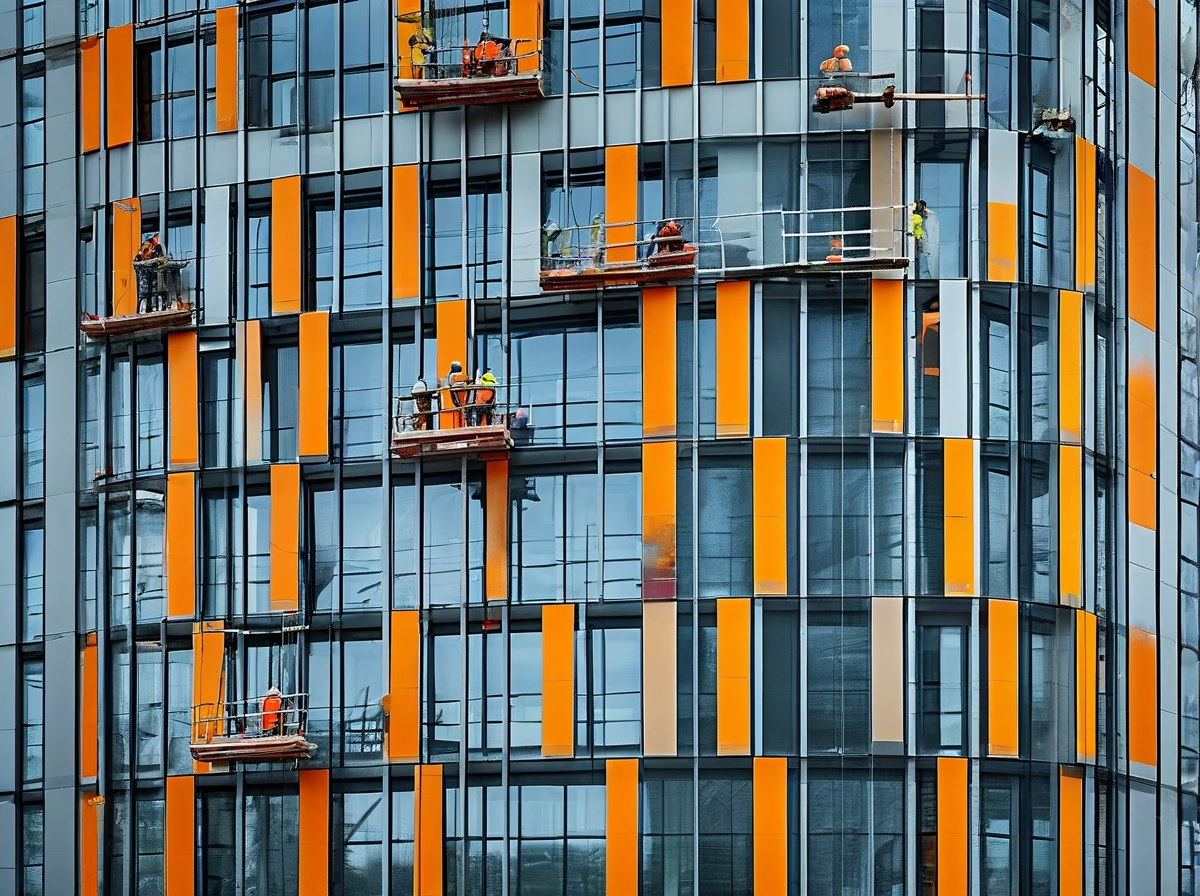
Picking the right Aluminum Cladding isn’t just spec talk—it shapes how your aluminum facade cladding looks, lasts, and behaves in real weather. From aluminum cladding panels to full cladding aluminum systems, small choices add up fast.
Assessing Corrosion Resistance and Durability of Panels
-
Core checks for corrosion, resistance, and durability in panels and aluminum material:
-
Alloy layer
-
Series selection → coastal vs urban
-
Impurity control → long-term longevity
-
-
Surface system
-
Pre-treatment → adhesion strength
-
Coating thickness → barrier against moisture
-
-
Exposure fit
-
UV + salt spray cycles
-
Thermal expansion behavior
-
-
“Recent 2025 facade studies note that coating integrity contributes over 60% of perceived service life in aluminum cladding panels under coastal exposure.”
For Aluminum Cladding, Aluminum Curtain Wall keeps finishes tight and consistent, so cladding aluminum stays clean-looking longer.
Comparing Extrusion, Powder Coating and Anodizing Processes
-
extrusion: crisp geometry, tight tolerances
-
powder coating: color range, easy upkeep
-
anodizing: hard skin, stable tone
1) Pick your processes based on shape freedom
2) Match surface treatment to climate
3) Balance finishes with maintenance cycles
Short take: aluminum facade cladding that needs bold color leans powder; scratch resistance leans anodizing.
Weighing Design Consultation and Engineering Support Services
-
Define scope with design consultation
-
Align loads via engineering support
-
Sync trades through services and technical assistance
-
Lock timelines with project planning
-
Review details using shared expertise and collaboration
Aluminum Curtain Wall teams often bridge design to install, which helps Aluminum Cladding systems land right the first time.
Verifying ISO Certification and ASTM Standards Compliance
-
Compliance path for ISO certification and ASTM standards:
-
Documentation
-
Mill certs → traceability
-
Test reports → testing evidence
-
-
Performance
-
Impact, coating adhesion
-
Tolerance checks for compliance
-
-
Governance
-
Audits → ongoing quality assurance
-
Code alignment → regulations and industry standards
-
-
Good Aluminum Cladding isn’t guesswork; it’s verified, repeatable, and built to pass inspection without drama.
Which Façade System Suits Your Project?
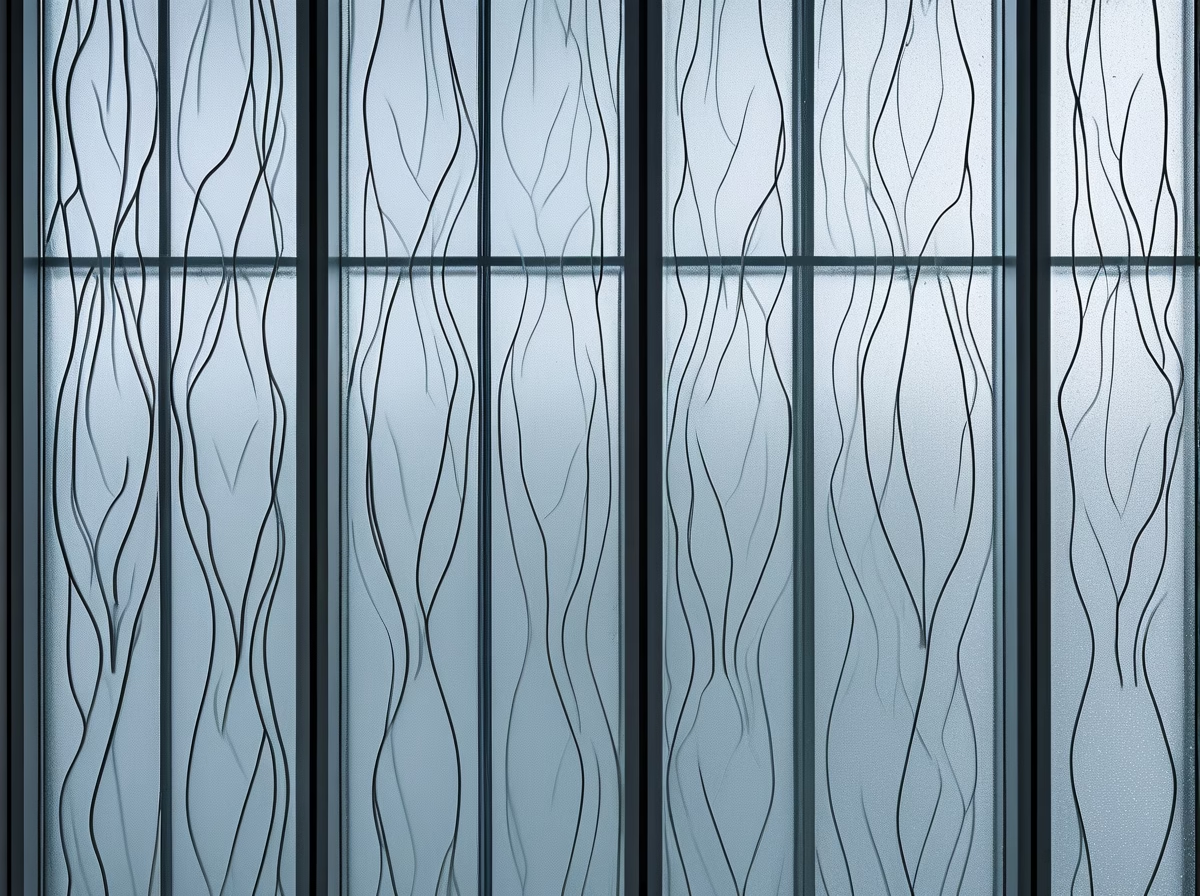
Picking a façade isn’t just about looks; it shapes comfort, durability, and long-term cost. From Aluminum Cladding setups to layered panel builds, each route plays differently with weather and structure. Let’s break it down so you can match performance with real-world needs.
Rainscreen Systems with Ventilation Gaps
A ventilated facade using Aluminum Cladding feels simple but hides smart physics. Air moves. Moisture escapes. Walls last longer.
-
Core flow:
-
Outer layer: rainscreen cladding
-
Middle zone:
-
air gap
-
drainage path
-
-
Inner defense:
-
vapor control
-
sealed building envelope
-
-
• Why it works
Short bursts of airflow reduce trapped humidity. Less condensation. Better thermal performance.
Now, break it into action:
-
Install substructure rails
-
Fix Aluminum Cladding panels
-
Maintain a continuous cavity
Even small spacing tweaks change outcomes.
Curtain Wall Systems using Aluminum Panels
This is where Aluminum Cladding meets sleek city design. A curtain wall hangs like a skin, not a load-bearing wall.
-
System layers:
-
Exterior:
-
aluminum panels
-
optional glazing
-
-
Structural core:
-
framing system
-
anchors
-
-
Protection:
-
sealants
-
weatherproofing
-
-
Data snapshot:
| Parameter | Typical Value | Impact |
|---|---|---|
| Panel weight | 8–12 kg/m² | Lower structural load |
| Wind resistance | 2.0–5.0 kPa | High-rise safety |
| Thermal break | 14–24 mm | Energy savings |
| Lifespan | 30–50 yrs | Long-term value |
| Maintenance cycle | 5–10 yrs | Cost control |
Brands like Aluminum Curtain Wall push cleaner finishes while keeping structural integrity tight.
Composite Sandwich Panels with Insulation Materials
Here, Aluminum Cladding becomes layered tech. Think strength outside, insulation inside.
-
Build-up logic:
-
Outer skins: aluminum sheets
-
Core:
-
insulation core
-
fire-rated fillers
-
-
Result:
- strong composite panels
-
Quick breakdown:
-
Bond material layers
-
Control panel thickness
-
Seal edges for durability
Short notes:
-
Better energy efficiency
-
Strong fire rating options
-
Faster install than traditional walls
Also called aluminum composite panels, this system keeps things light but tough. Aluminum Curtain Wall solutions often integrate these for hybrid façades that balance speed and performance.
Material Grade Differences In Cladding Systems
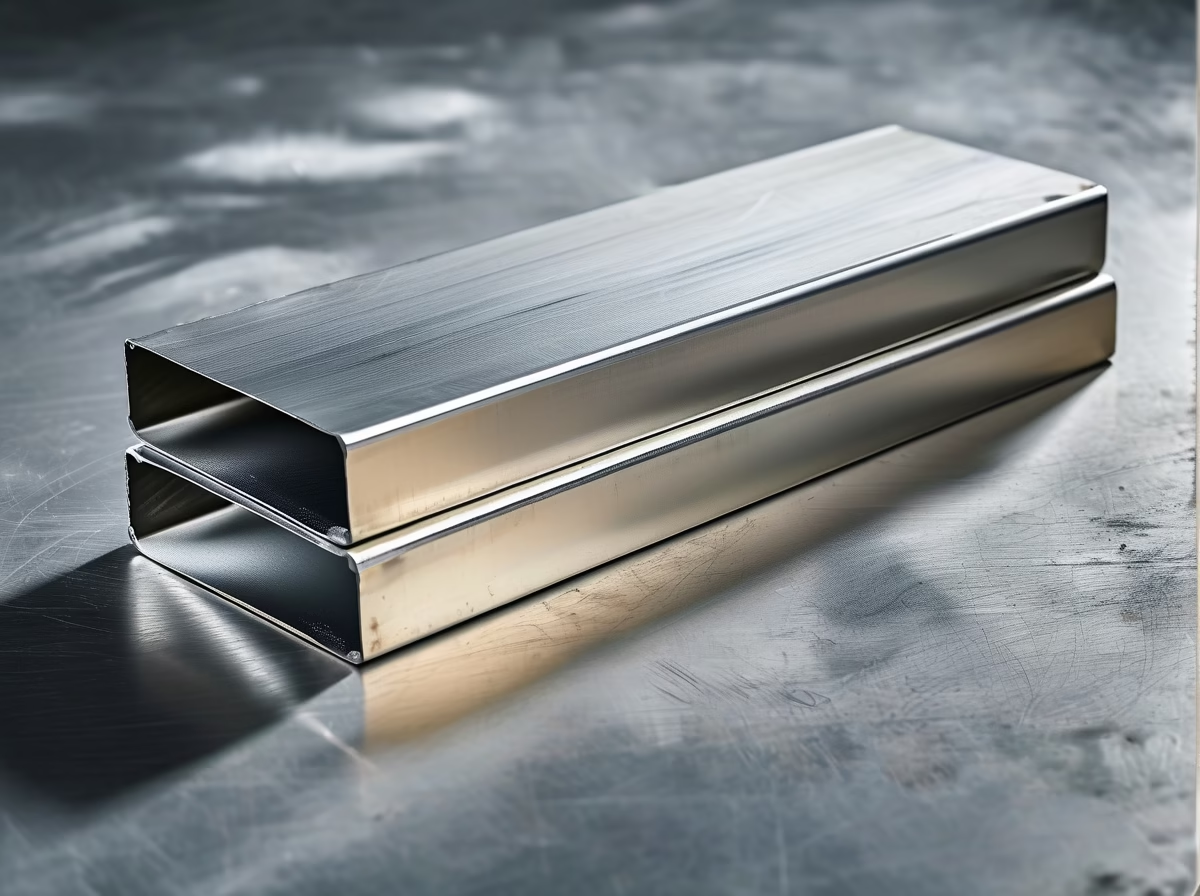
Aluminum Cladding choices can feel a bit like picking sneakers—style matters, but performance really decides the win. In Aluminum curtain wall builds, the alloy behind the panel or profile changes how the Cladding behaves day to day. From Aluminum panels to full Aluminum Cladding systems, small grade shifts bring noticeable results.
3003 Aluminum Alloy
For everyday Aluminum Cladding, 3003 keeps things practical and flexible. It’s a Manganese alloy with Moderate strength, built for Good formability and steady Corrosion resistance.
-
bends cleanly for curved Aluminum panels
-
supports Welding properties without drama
-
fits General purpose façade work
In shop flow:
-
cut sheets
-
form edges and curves
-
weld or fasten
-
install onto subframe
You’ll see it in cost-aware Aluminum Cladding runs where shaping matters more than load. Not Non-heat treatable strength, but reliable. Aluminum Curtain Wall teams often lean on it for quick fabrication cycles.
5005 Aluminum Alloy
When finish quality leads the conversation, 5005 steps up. A Magnesium alloy tuned for Anodizing quality, it delivers consistent Surface finish across large Aluminum Cladding spans.
Key traits show up fast:
-
• smooth color match on Aluminum panels
-
• strong Corrosion resistance outdoors
-
• clean Weldability for decorative seams
Short takes:
Clean look. Stable tone. Works well in Decorative applications where visual rhythm matters more than raw strength. In Aluminum Curtain Wall façades, it keeps the exterior crisp over time.
6063 Aluminum Alloy
Profiles, frames, and rails lean heavily on 6063. Known as an Architectural alloy, it’s Heat treatable with excellent Extrudability and balanced Medium strength.
Data snapshot for Aluminum Cladding systems:
| Property | 6063-T5 | 6063-T6 |
|---|---|---|
| Tensile Strength (MPa) | 145 | 205 |
| Yield Strength (MPa) | 110 | 170 |
| Elongation (%) | 8 | 10 |
Workflow inside Aluminum Curtain Wall systems:
-
Subframe
-
extrude precise profiles
-
maintain Surface quality
-
-
Assembly
-
align Structural components
-
secure tolerances
-
-
Finish
- protect Corrosion resistance
With Silicon magnesium chemistry, 6063 keeps Aluminum Cladding straight, clean, and structurally dependable.
Site Conditions: Impact On Cladding Selection
Site realities shape how Aluminum Cladding performs, looks, and lasts. From tight tolerances to safety checks, small decisions on-site can make or break an aluminum cladding system’s durability and finish.
Conducting Accurate Site Measurement and Sequencing
-
Measurement workflow
-
site survey setup
-
laser-based capture using laser scanning
-
manual checks against blueprints
-
-
data validation
-
confirm dimensions within tolerances
-
sync with project schedule
-
-
-
Installation planning
-
define installation sequence
-
panel batching
-
anchor alignment
-
-
coordination
- fabrication timing vs delivery
-
| Task Stage | Tool Used | Accuracy Range | Output |
|---|---|---|---|
| Survey | Laser | ±2 mm | 3D scan |
| Check | Tape | ±5 mm | Field notes |
| Verify | BIM sync | ±3 mm | Clash report |
| Layout | Grid line | ±2 mm | Marked axes |
| Install | Level | ±1 mm | Panel set |
Clean sequencing keeps Aluminum Cladding tight, avoiding rework that eats time and budget.
Adhering to Building Codes and Safety Protocols
Short and real: no shortcuts here.
-
building regulations and local codes guide fire ratings and fixing methods
-
permits and compliance checks happen before panels even arrive
-
ongoing inspections confirm fastening, spacing, and seal integrity
On-site rhythm matters. Crews run risk assessment daily, matching safety standards with actual conditions—wind, height, and access. Aluminum panels behave differently under stress, so correct fixing patterns aren’t optional. That’s where Aluminum Curtain Wall systems often stand out, since they’re designed with compliance baked in.
Planning for Access Equipment and Quality Control Checks
-
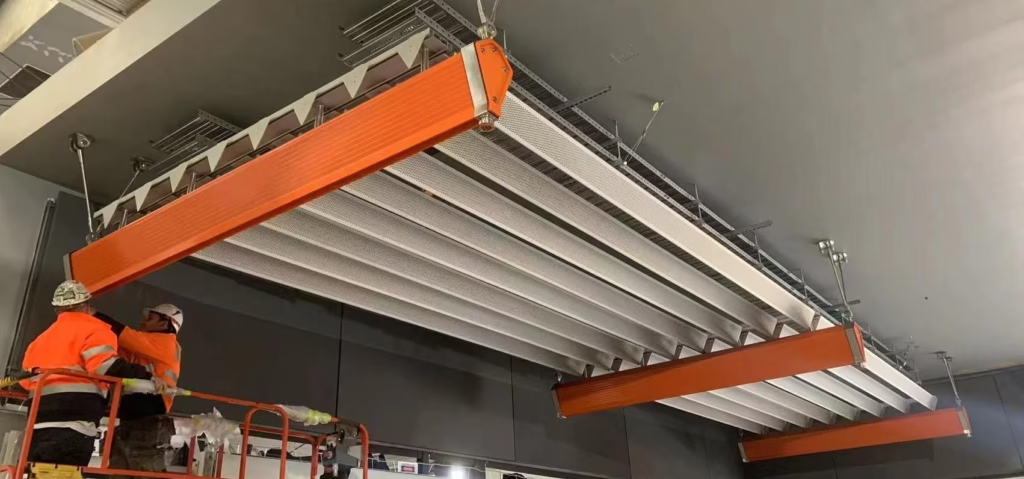
Select access
- choose scaffolding, lifts, or access platforms based on height and façade shape
-
Set inspection flow
- define inspection points at framing, panel placement, and sealing
-
Apply quality assurance
- verify alignment, gaps, and finish
-
Test materials
- conduct material testing for coatings and fasteners
-
Review workmanship
- final walkthrough before sign-off
Good access planning keeps Aluminum Cladding installation smooth, while tight checks ensure the aluminum cladding system performs as intended. Aluminum Curtain Wall solutions often simplify this flow with pre-engineered tolerances.
 English
  Français
  Bahasa Indonesia
  Deutsch
  Italiano
  Español
  العربية
  Español de México
  Nederlands
  香港中文
香港中文