
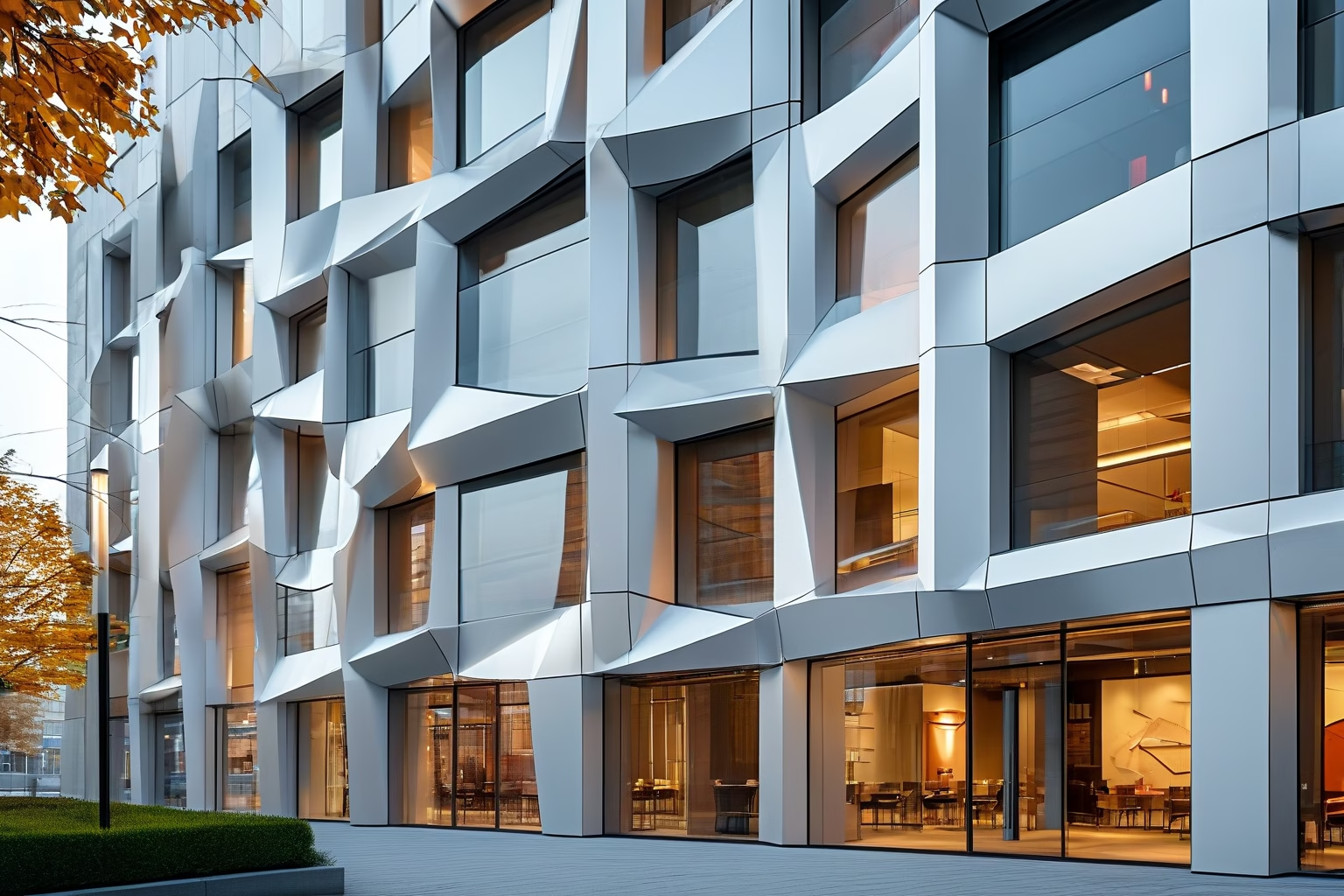
Why Architects Choose Weatherproof Exterior Aluminum Cladding Solutions
Architects rarely look for a material that only solves one problem. A facade has to manage weather, support the design language, work with the structure, and still look good after years of sun, wind, and rain. That is why aluminum cladding keeps showing up in commercial, residential, and institutional projects.
It is not chosen only because it looks modern, although it does. It is chosen because it solves a real problem: how to create an exterior that performs well in harsh conditions without forcing the architect to give up clean lines, panel precision, or long-term durability.
For projects where the envelope has to do more than look good on day one, weatherproof exterior aluminum cladding gives architects a practical balance of performance, flexibility, and control.
What Weatherproof Aluminum Cladding Means in Practice
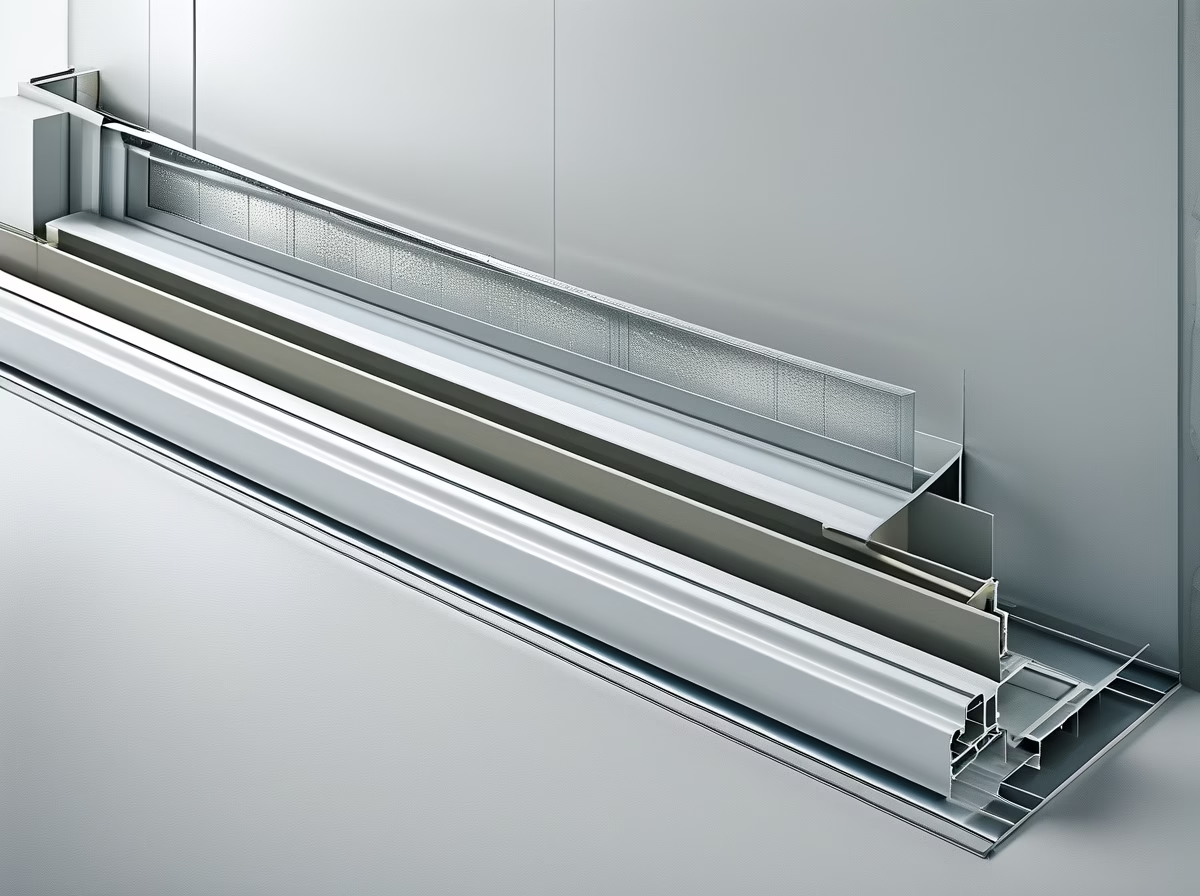
When architects talk about weatherproof cladding, they are not only talking about a surface that can handle rain. They are talking about a complete exterior system that resists moisture intrusion, manages thermal movement, and stays stable through seasonal change.
In a well-designed aluminum cladding system, weather resistance comes from several layers working together: the panel finish, the subframe and fixing system, drainage and ventilation behind the cladding, proper joint design, and correct insulation and air-barrier detailing.
That matters because no material performs well in isolation. The panel itself may be strong and corrosion-resistant, but the real protection comes from the full facade assembly. Architects choose aluminum because it works well as part of a rainscreen or ventilated facade system, where water is managed rather than trapped.
This is one reason aluminum cladding is often preferred in locations with heavy rain, strong sun, coastal air, or repeated freeze-thaw cycles. It does not absorb moisture the way some materials do, and it can be detailed to move with the building instead of fighting it.
Why Architects Keep Choosing Aluminum Cladding
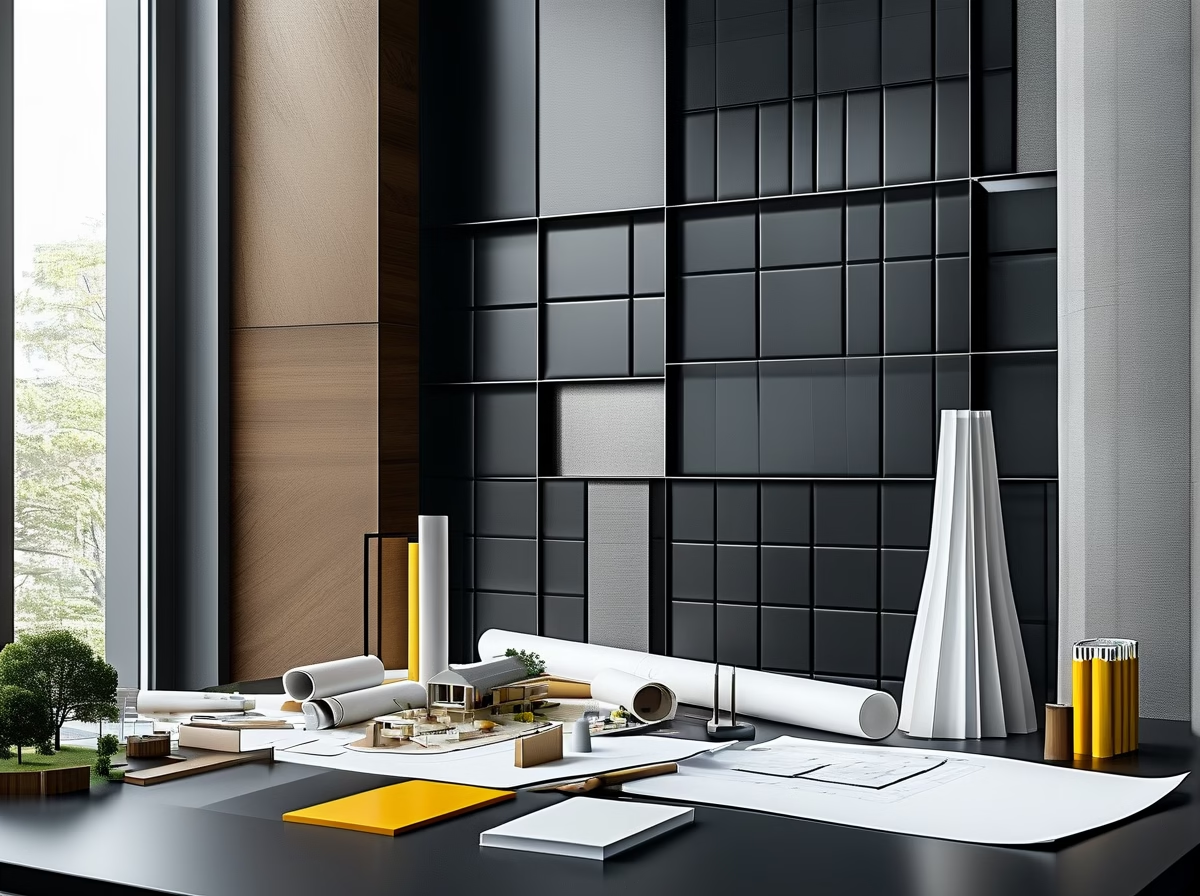
There are plenty of exterior materials that look attractive in renderings. The difference with aluminum cladding is that it also holds up under real-world pressure.
It delivers a clean architectural finish
Architects like materials that stay sharp. Aluminum panels can be fabricated into precise formats with tight joints, smooth surfaces, and consistent edges. That makes them especially useful on projects where the facade needs to read as crisp, controlled, and modern.
The material works well for both minimalist designs and more expressive facades. It can be used to create flat planes, folded surfaces, fin-like details, and layered compositions. The result is a facade that supports the design rather than fighting it.
It is lightweight compared with many alternatives
Weight matters. A lighter cladding system can reduce structural demand, simplify installation, and make it easier to cover large surfaces without overloading the building frame.
This is especially useful on high-rise buildings or retrofit projects, where every extra load has to be justified. Aluminum gives architects a durable exterior option without the penalty that comes with heavier materials like stone or some masonry systems.
It performs well over time
Good facade design is not just about first cost. It is about what happens after five years, ten years, or twenty years. Aluminum cladding is attractive because it usually needs less maintenance than many natural materials and does not require frequent repainting or sealing if the system is properly specified.
That does not mean zero maintenance. It means maintenance is more predictable. Panels can be inspected, cleaned, and replaced more easily than many traditional exterior finishes.
It supports design freedom
Architects rarely want a system that forces them into one look. Aluminum cladding can be finished in multiple ways, including matte, metallic, anodized, textured, or custom-coated appearances. It can also be produced in different sizes and shapes to fit the project’s geometry.
That flexibility is useful on buildings that need a distinct identity, whether it is an office tower, a university building, a hospital extension, or a boutique commercial property.
It makes lifecycle sense
A lot of clients care less about the facade material itself and more about what it costs to own the building over time. Aluminum cladding usually scores well in that conversation.
The reasons are practical: durable exterior finish, reduced repainting requirements, lower structural load, easier replacement of damaged panels, and recyclable material value at end of life.
For architects, this matters because a better lifecycle story is easier to defend in front of developers and owners.
Where Weatherproof Aluminum Cladding Works Best
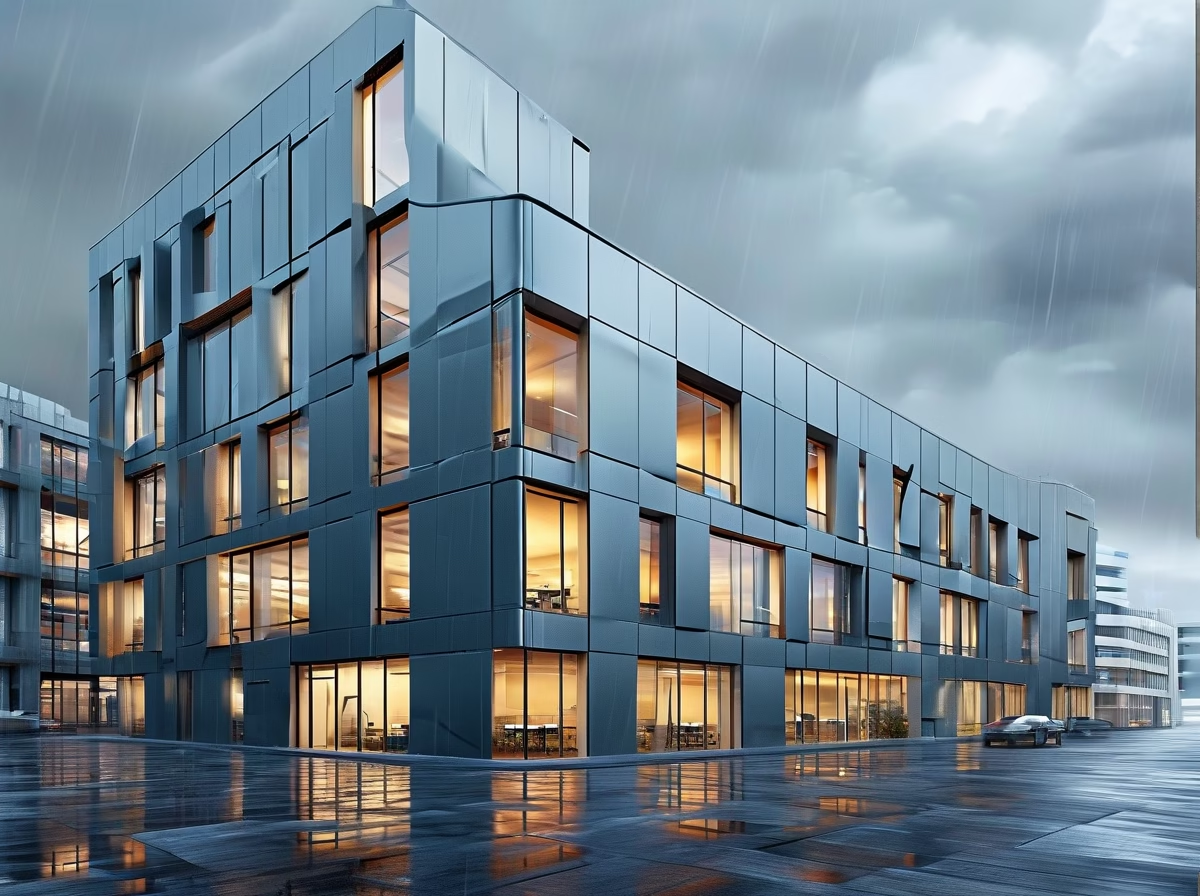
Aluminum cladding is versatile, but it is especially effective in projects where performance and appearance both matter.
Commercial and office buildings
These projects usually need a polished exterior that looks professional from day one and still looks controlled after years of exposure. Aluminum panels suit that requirement well.
High-rise buildings
At height, wind loads and movement become more important. Lightweight cladding with well-designed fixings is a strong fit for tall structures.
Coastal or wet climates
Salt, humidity, and frequent rainfall are hard on building envelopes. Aluminum, when properly finished and detailed, is a practical choice in these conditions.
Institutional buildings
Schools, healthcare facilities, and civic buildings need materials that are durable, easy to maintain, and visually calm. Aluminum cladding checks those boxes.
Mixed-use and residential towers
These buildings often need a facade that can balance cost, design quality, and weather performance across large surface areas. Aluminum is flexible enough to handle that mix.
| Project type | Why aluminum cladding works | Key consideration |
|---|---|---|
| Office tower | clean appearance, lightweight system | movement joints and wind load |
| Coastal building | corrosion resistance and weatherproof detailing | coating quality and fixings |
| Institutional building | low maintenance and long service life | access for cleaning and repair |
| Mixed-use development | design flexibility across large facades | budget and finish consistency |
What Architects Check Before Specifying Aluminum Cladding
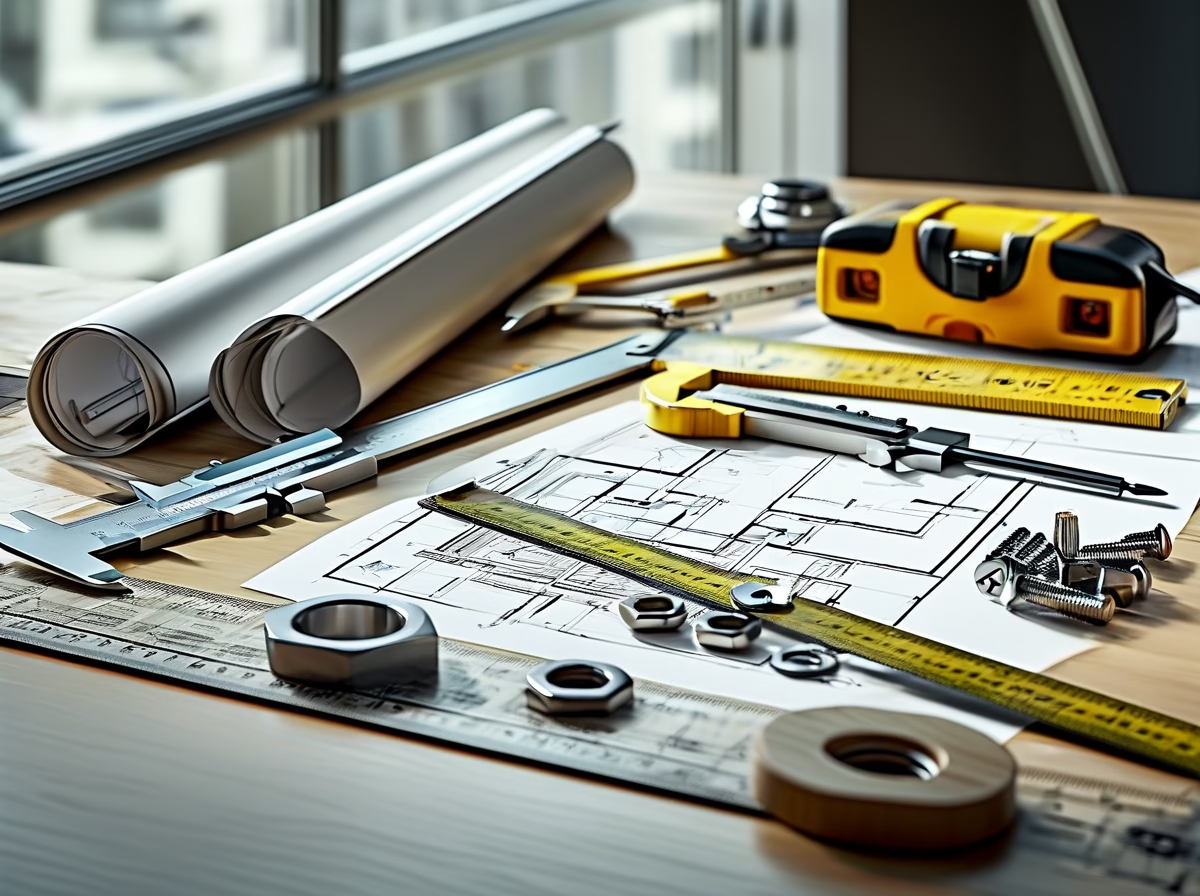
Choosing aluminum cladding is not just about liking the look. Good architects look closely at the system behind the finish.
Panel thickness and fabrication method
The panel thickness affects stiffness, flatness, and durability. Different projects need different specifications depending on span, exposure, and fixing strategy.
Coating or finish system
A high-quality finish is critical for long-term color stability and surface performance. Architects often review whether the coating is suitable for UV exposure, coastal conditions, and the project’s required aesthetic.
Fixing method and subframe
The panel is only one part of the facade. The support system has to handle movement, wind pressure, and long-term serviceability. A weak subframe can undermine an otherwise good design.
Thermal and moisture detailing
Weatherproof performance depends on the full assembly. Architects need to coordinate insulation, air barriers, drainage paths, and ventilation cavities so that moisture does not become trapped behind the cladding.
Fire and code compliance
Facade specifications must align with local building codes, fire requirements, and product approvals. This is not a box-ticking exercise. It directly affects risk and approval time.
Maintenance access
Even the best facade eventually needs inspection or cleaning. Architects who plan access early save the client from expensive headaches later.
Aluminum Cladding vs Other Exterior Materials
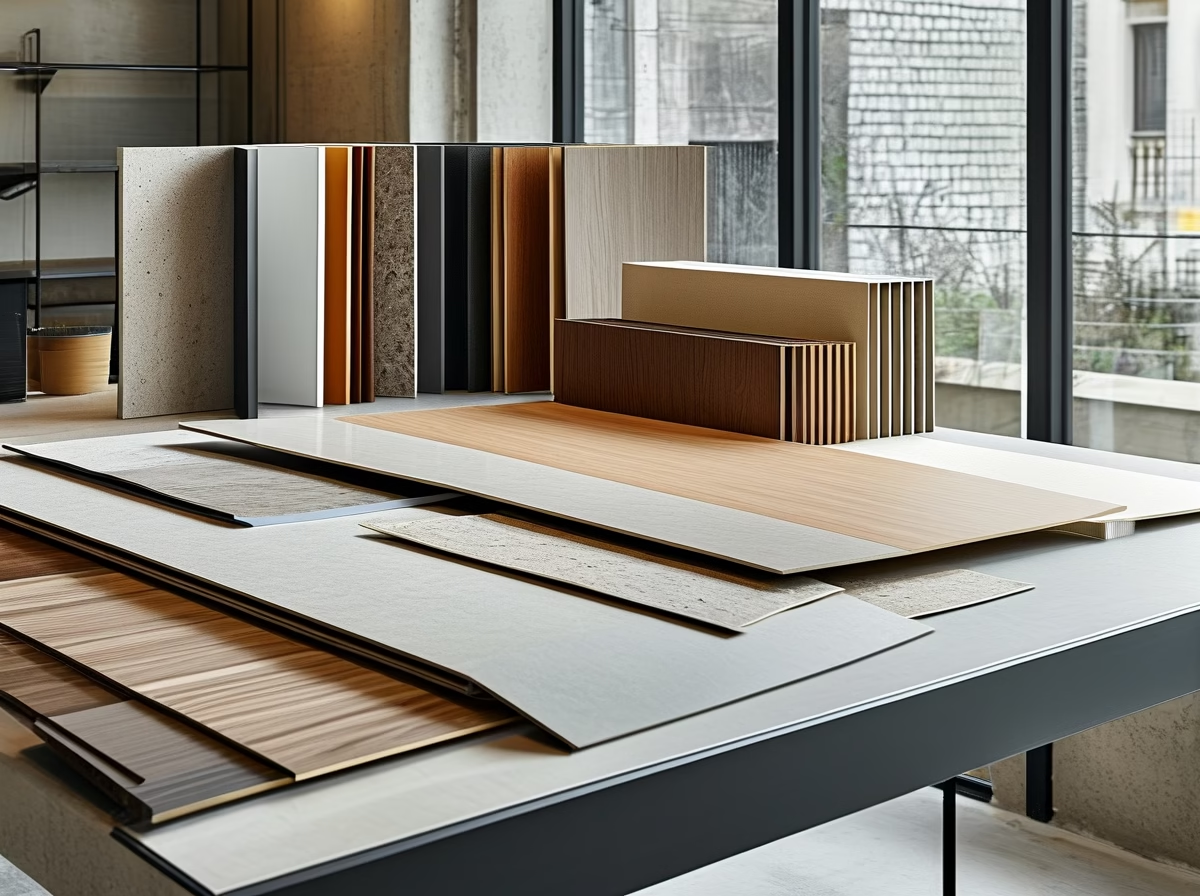
Aluminum is not the only option, but it often wins when the brief demands both visual control and long-term weather resistance.
Compared with timber, it does not need the same level of ongoing treatment. Compared with stone, it is lighter and usually easier to install. Compared with fiber cement, it often offers sharper detailing and more design flexibility. And compared with lower-grade facade systems, it is more predictable when properly engineered.
That is why architects keep returning to it. Not because it is flashy. Because it is dependable.
The Real Reason Architects Trust Aluminum Cladding
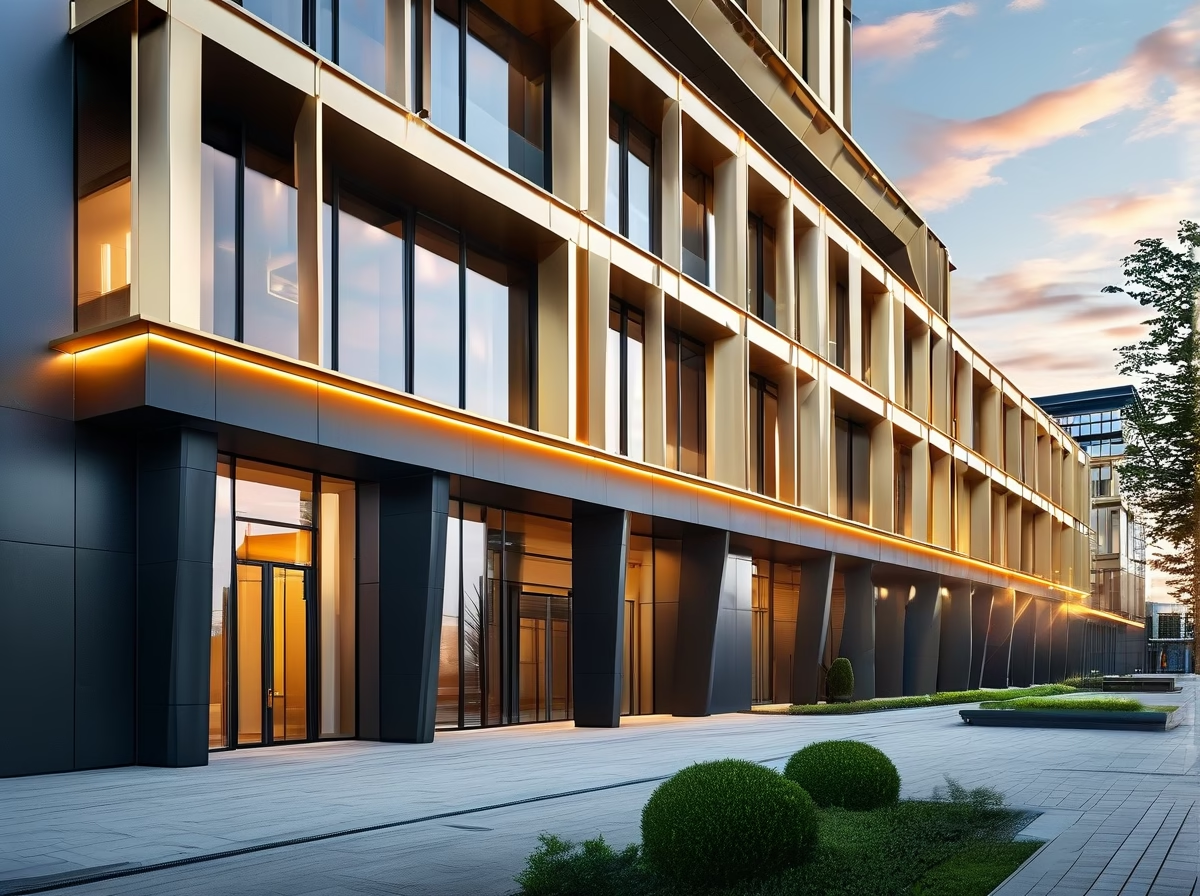
The best facade materials do more than survive the weather. They help architects keep the design intact after the building is occupied, cleaned, repaired, and lived in.
That is the real appeal of weatherproof exterior aluminum cladding. It gives architects a system that is practical enough for real construction, refined enough for strong design, and durable enough to stay relevant long after the handover photos are forgotten.
For projects where the exterior has to be both beautiful and serious, aluminum cladding is often the material that makes the most sense.
 English
  Français
  Bahasa Indonesia
  Deutsch
  Italiano
  Español
  العربية
  Español de México
  Nederlands
  香港中文
香港中文