
Need a modern facade that looks sharp, installs efficiently, and holds up under real weather? Aluminum Facade Cladding is one of the most practical ways to upgrade a building envelope without adding unnecessary weight.
Aluminum Facade Cladding has become a preferred choice for architects, contractors, and developers because it combines clean aesthetics with strong technical performance. From rainscreen panels to perforated screens and honeycomb systems, aluminum gives exterior walls a durable, lightweight, and design-friendly skin.
This guide explains the benefits, major types, coating options, installation methods, and specification points buyers should check before starting a facade project.
What Is Aluminum Facade Cladding?
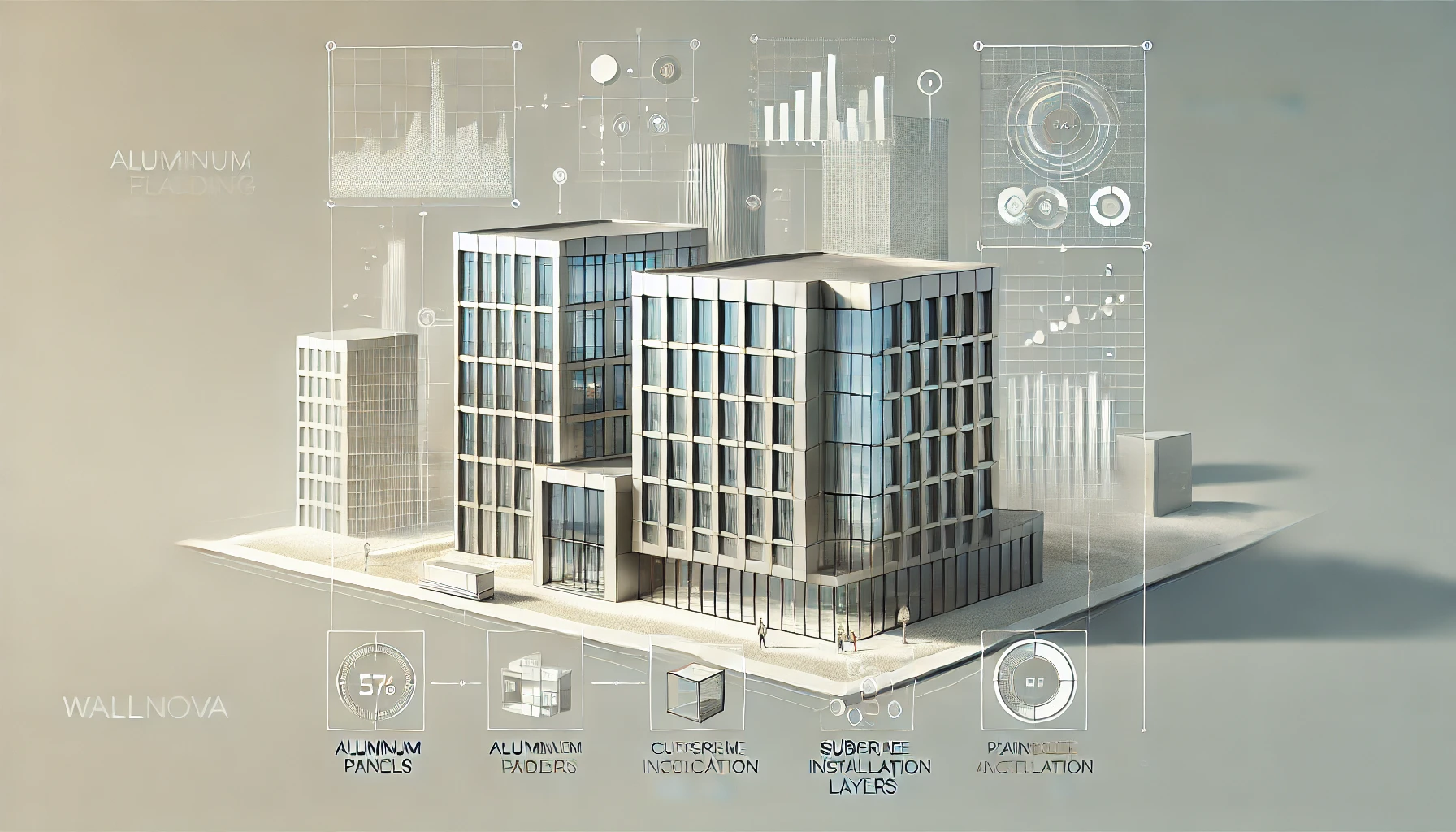
Aluminum Facade Cladding is a lightweight exterior envelope system used to protect buildings, shape architectural identity, and improve long-term facade performance. It usually includes aluminum panels, subframes, brackets, insulation layers, weather barriers, sealants, and engineered fixing details.
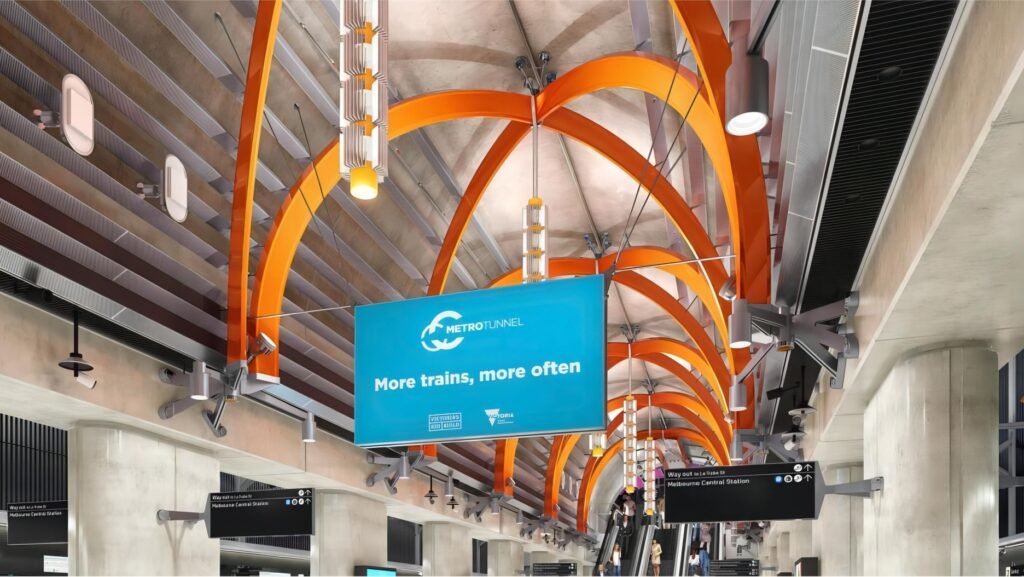
For commercial towers, retail buildings, transport hubs, hotels, and renovation projects, aluminum cladding gives architects a clean surface with strong design flexibility. It can look flat and minimal, folded and dimensional, perforated for shading, or patterned for a stronger visual rhythm.
The important point is simple: facade cladding is not just decoration. A good system helps manage rain, wind, heat, fire requirements, movement, installation tolerance, and maintenance access throughout the building lifecycle.
Key Benefits of Aluminum Facade Cladding
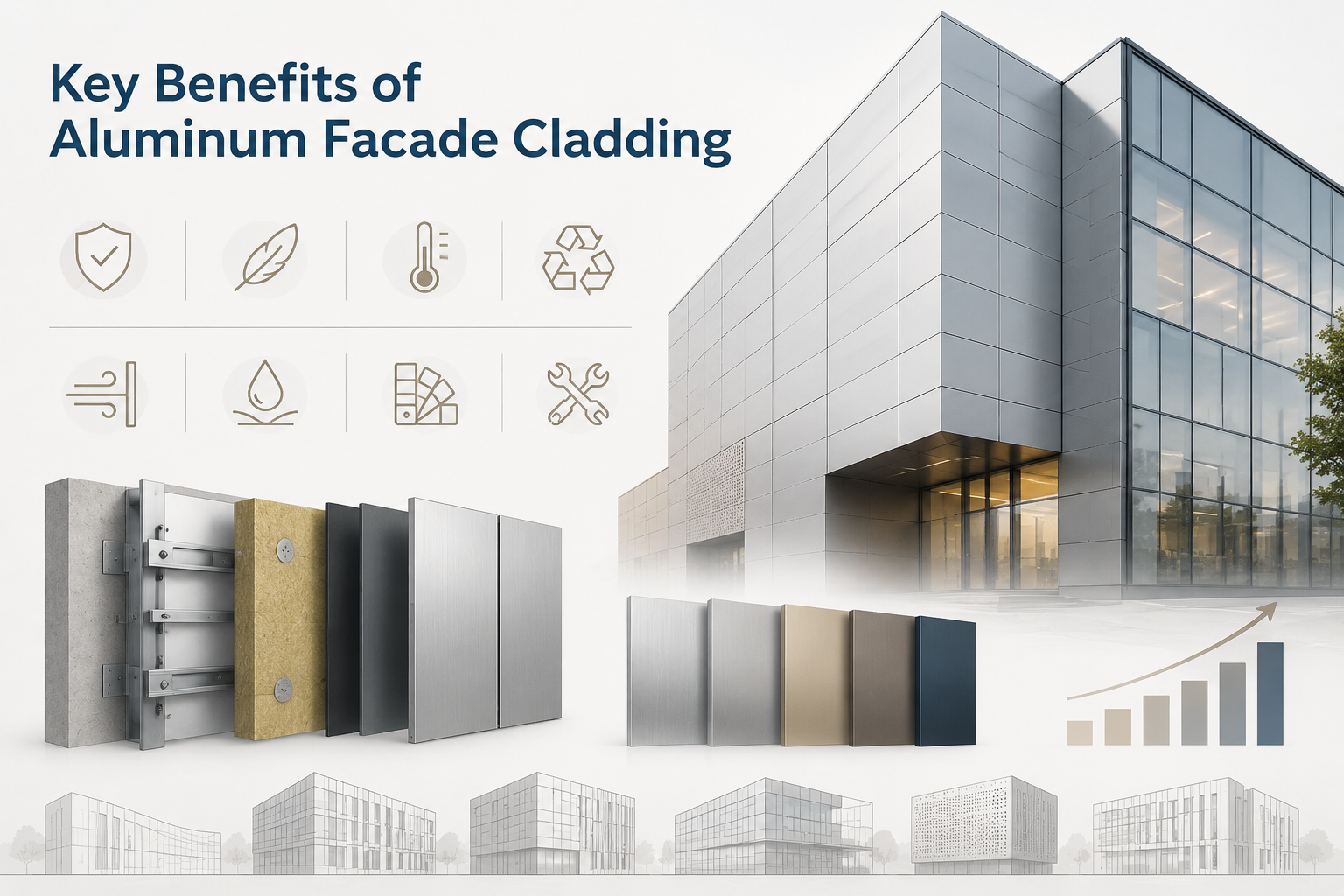
Aluminum is popular because it offers a practical balance of weight, durability, design freedom, and installation efficiency. Compared with heavier facade materials, aluminum cladding reduces structural load while still giving the building a refined, high-value appearance.
- Lightweight performance: easier handling, lower dead load, and faster installation on high-rise or retrofit projects.
- Corrosion resistance: aluminum naturally forms an oxide layer, and premium coatings improve weather resistance further.
- Design flexibility: panels can be flat, curved, perforated, folded, embossed, or finished in many colors and textures.
- Low maintenance: proper coating systems reduce fading, chalking, and cleaning frequency.
- Energy support: ventilated rainscreen assemblies can help improve thermal control when paired with insulation and air gaps.
For developers and contractors, the value is not only aesthetics. A well-specified aluminum facade can shorten installation time, reduce repair risk, and make the building easier to maintain after handover.
Main Types of Aluminum Facade Cladding Systems
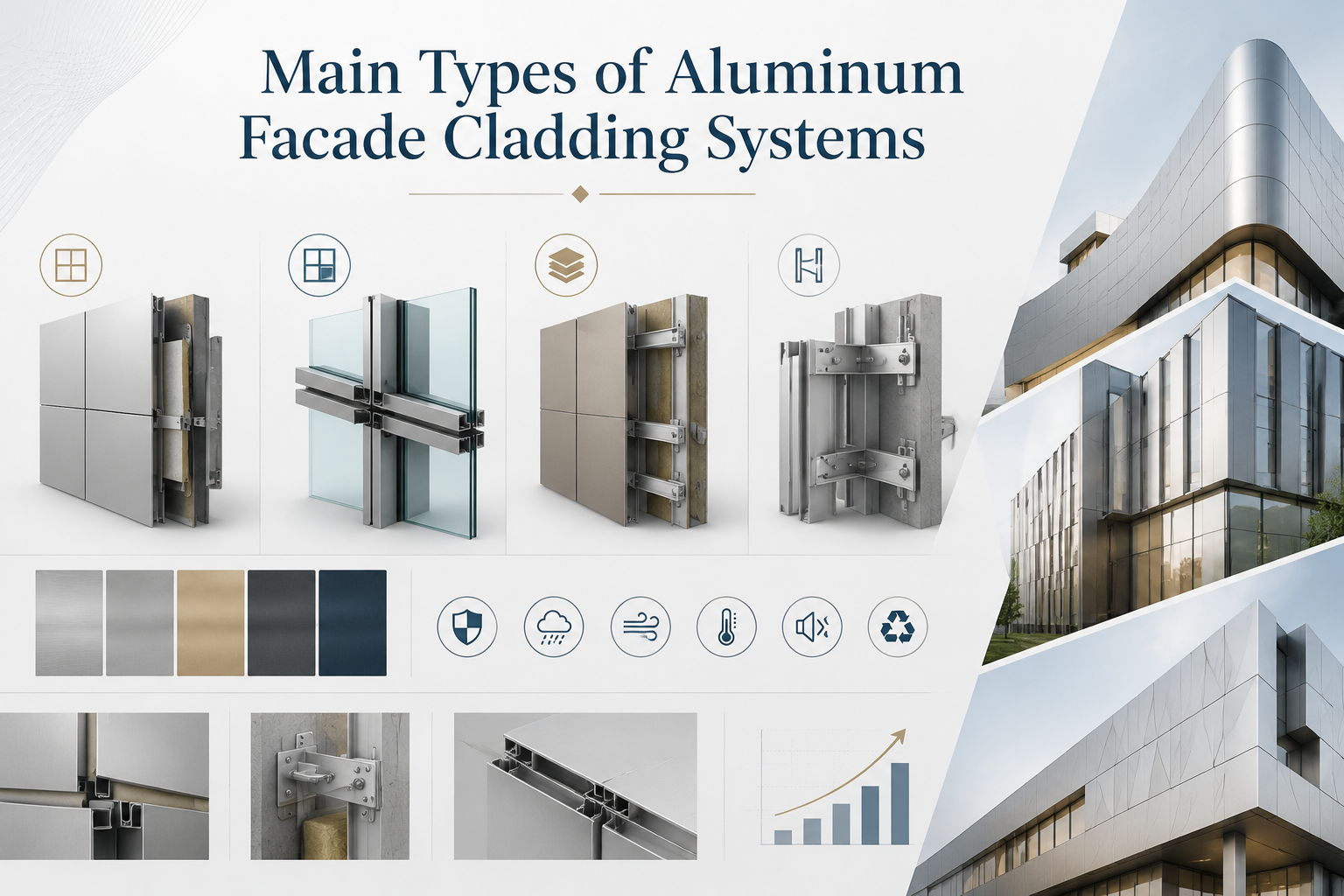
Different projects need different aluminum cladding formats. The right choice depends on budget, wind load, fire code, building height, design intent, and installation method.
| Type | Best For | Main Advantage |
|---|---|---|
| Aluminum solid panels | Commercial facades, high-rise envelopes | Strong rigidity, good fire performance, long service life |
| Aluminum composite panels | Retail fronts, signage zones, low-to-mid-rise projects | Flatness, lightweight handling, efficient fabrication |
| Perforated aluminum panels | Sunshade screens, parking structures, decorative facades | Ventilation, shading, visual transparency |
| Aluminum honeycomb panels | Large-format panels, transport hubs, premium buildings | High stiffness with low weight |
| Aluminum louvers and fins | Shading, privacy, airflow control | Functional facade depth and solar control |
If fire safety is a priority, many projects prefer solid aluminum panels or tested systems with certified cores and assemblies. For premium large-format facades, honeycomb panels can help maintain flatness while controlling weight.
Surface Finishes and Coating Options
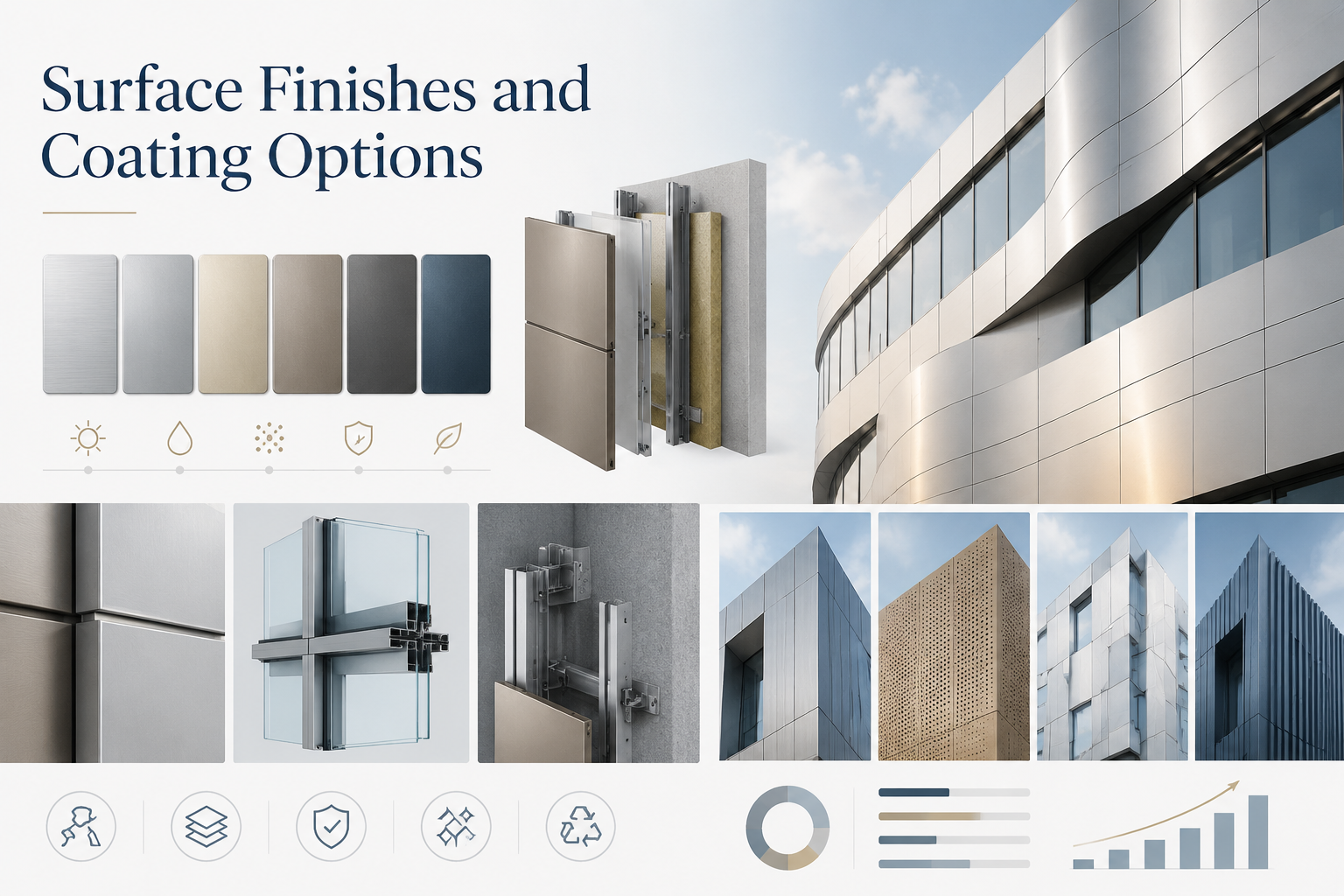
Surface finish has a direct impact on appearance, weather resistance, color consistency, and long-term maintenance. The most common options include PVDF coating, powder coating, anodizing, wood grain transfer, stone-look finishes, and metallic textures.
PVDF coating is widely used for exterior aluminum facade cladding because it offers strong UV resistance, color retention, and weather durability. Powder coating is cost-effective and available in many colors, but specification quality matters. Anodizing gives a metallic surface with excellent hardness and a natural architectural look.
For coastal, industrial, or high-pollution environments, coating thickness, pretreatment quality, and salt-spray performance should be reviewed carefully. A beautiful panel that fades early becomes expensive very quickly.
Installation Methods for Aluminum Facade Cladding
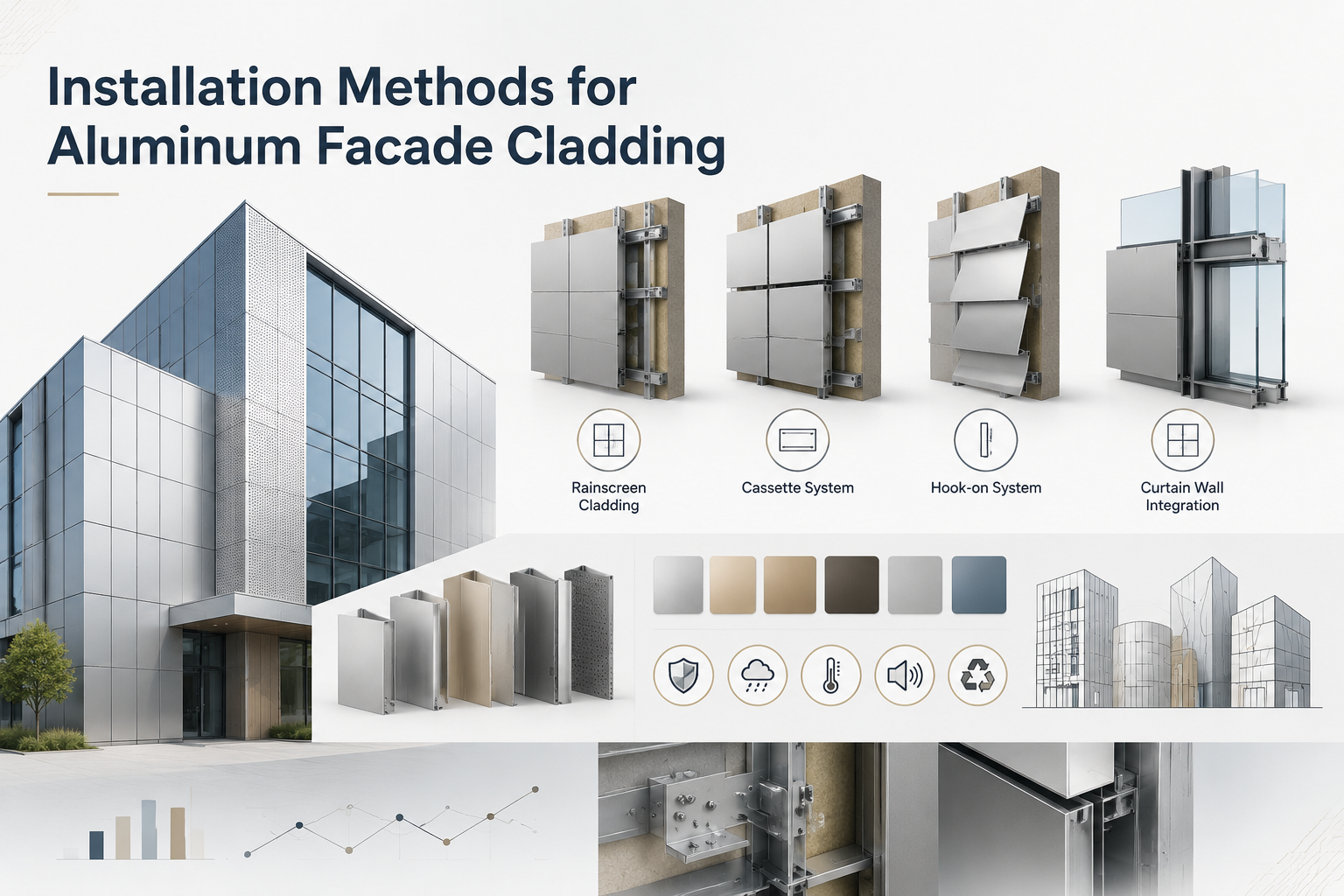
Most aluminum facade cladding is installed as a ventilated rainscreen or cassette panel system. The general assembly includes the wall substrate, waterproofing layer, brackets, vertical or horizontal rails, panel fixing components, and expansion joints.
- Survey and set-out: confirm structural dimensions, datum lines, and tolerance before production.
- Bracket installation: fix adjustable brackets to the structure according to engineering drawings.
- Subframe alignment: install aluminum or steel rails, then check flatness and verticality.
- Insulation and barrier work: add insulation, membranes, and fire-stop components where required.
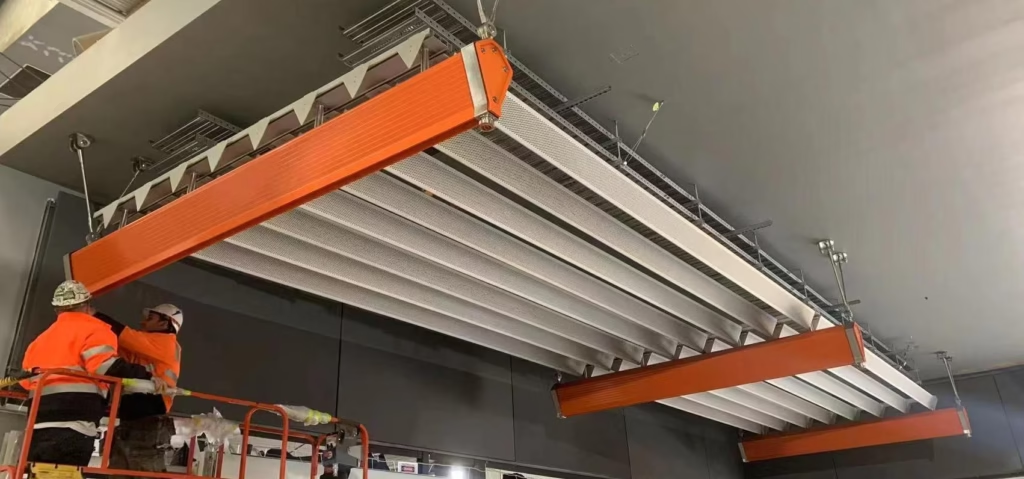
- Panel mounting: install cassettes, flat panels, clips, rivets, or concealed fixings based on the system design.
- Joint treatment: manage open joints, gasket joints, sealant joints, and movement gaps.
- Inspection: check alignment, color direction, fastener quality, drainage gaps, and surface protection.
Good installation depends on coordination between design drawings, fabrication tolerances, and site conditions. Small errors in bracket layout can create visible waves across the facade, so early quality control is essential.
Design and Specification Checklist
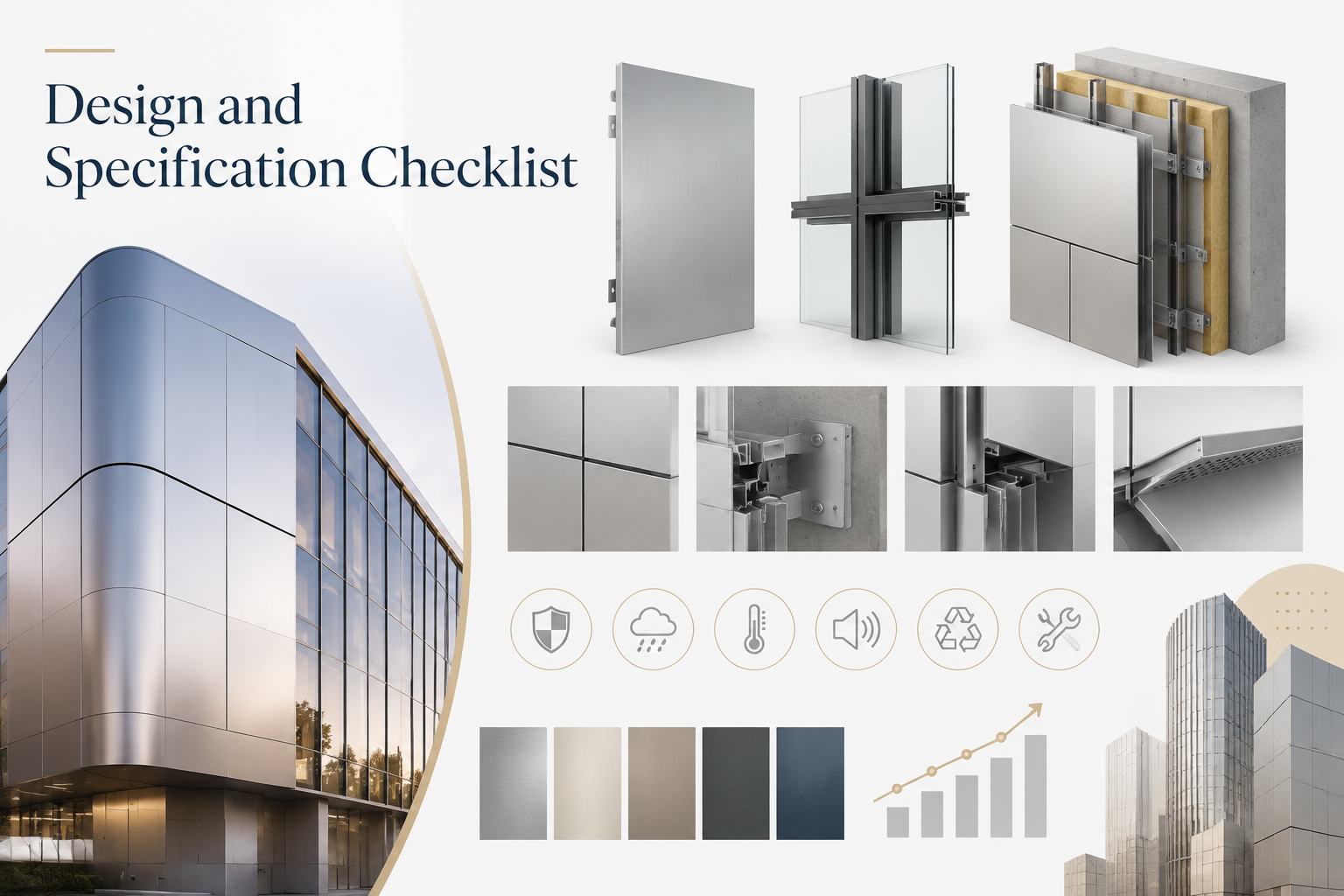
Before ordering aluminum facade cladding, buyers should confirm the technical details behind the visual sample. A proper specification protects the contractor, the developer, and the final building user.
- Panel thickness, alloy grade, and temper
- Wind-load calculation and fixing design
- Fire rating and code compliance
- Coating type, color code, gloss level, and warranty
- Panel flatness tolerance and fabrication drawings
- Joint width, drainage path, and thermal movement allowance
- Packaging, labeling, and delivery sequence
- Mock-up approval and batch color control
For international projects, Wallnova recommends confirming shop drawings, sample panels, and installation details before mass production. This reduces site rework and keeps the facade appearance consistent from the first elevation to the last.
Common Mistakes to Avoid
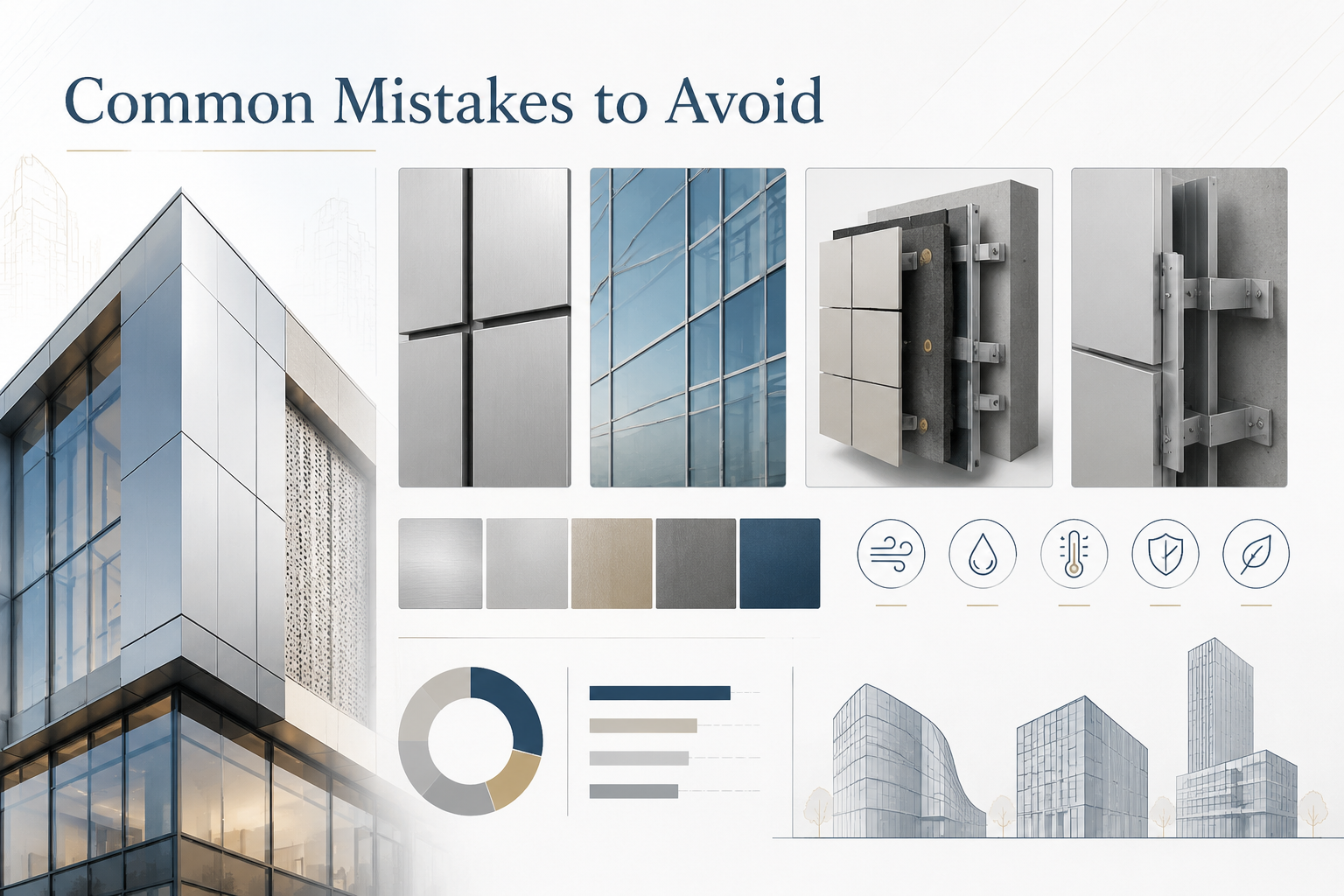
Many facade problems start before installation. The most common issues include unclear panel specification, ignoring thermal expansion, choosing weak coating systems, using incompatible fasteners, and failing to coordinate waterproofing details.
Another frequent mistake is judging aluminum facade cladding only by unit price. A cheaper panel can become expensive if it causes color mismatch, deformation, delayed installation, or warranty disputes. Buyers should compare total system value: material quality, fabrication accuracy, engineering support, packaging, and delivery reliability.
Mock-ups are especially useful for large projects. They reveal joint proportions, reflection, coating appearance, corner details, and installer workflow before full-scale production begins.
Final Thoughts on Aluminum Facade Cladding
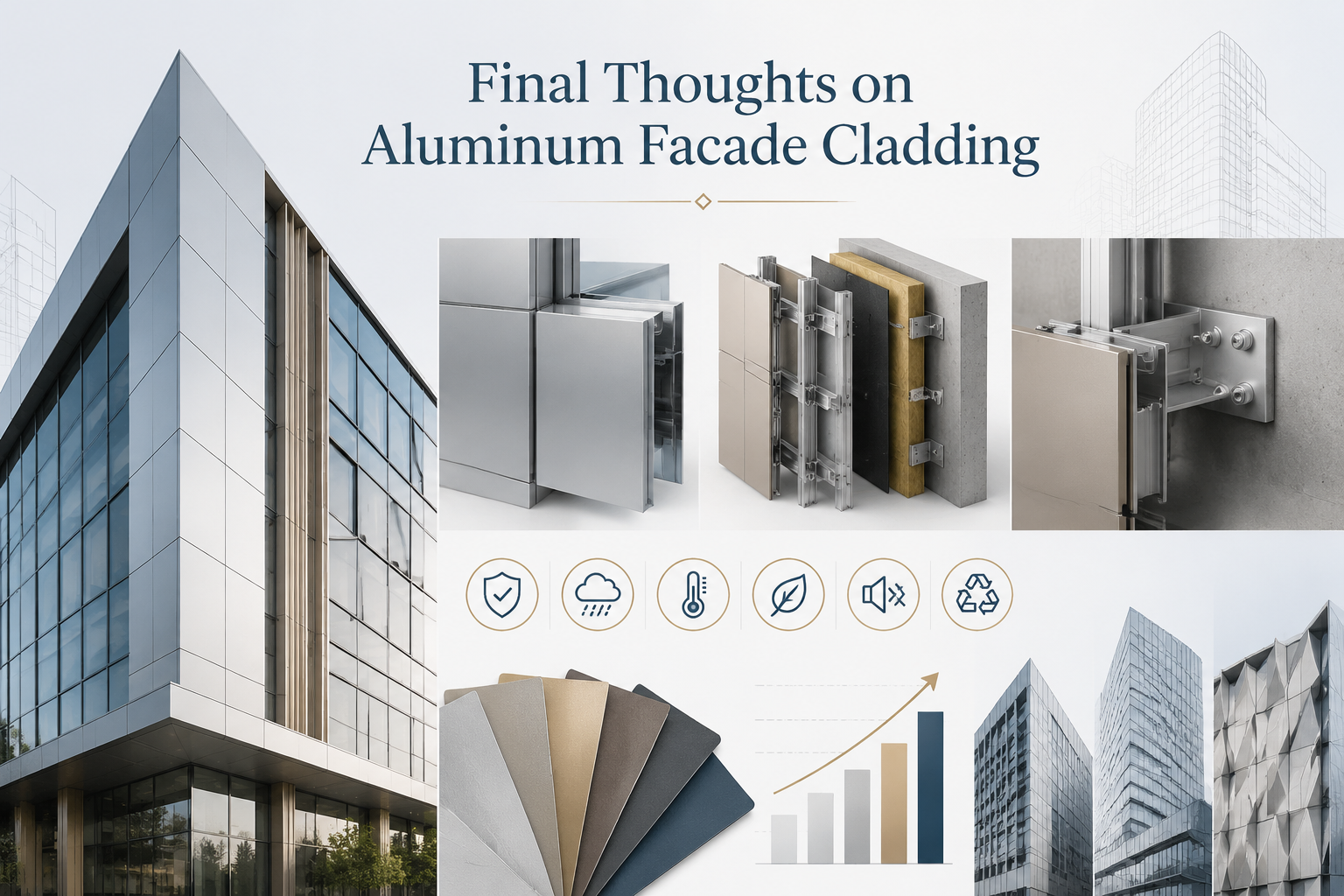
Aluminum Facade Cladding gives modern buildings a durable, flexible, and refined exterior. The best results come from matching the right panel type, finish, subframe, and installation method to the project’s climate, code requirements, and design intent.
Whether the goal is a clean commercial facade, a textured architectural skin, or a performance-driven rainscreen system, early specification work matters. With the right supplier and clear technical details, aluminum cladding can deliver strong aesthetics, stable performance, and efficient installation for years.
Need project support? Wallnova can help review facade panel options, coating choices, and installation details for aluminum cladding projects.
 English
  Français
  Bahasa Indonesia
  Deutsch
  Italiano
  Español
  العربية
  Español de México
  Nederlands
  香港中文
香港中文