
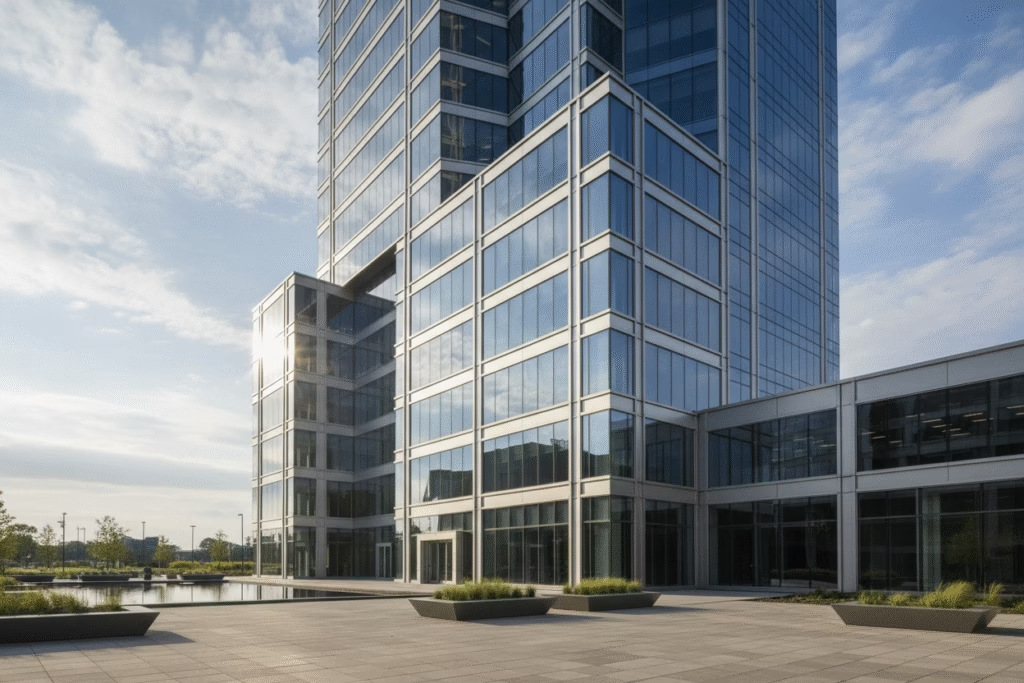
Glass vs. Aluminum Curtain Walls: Cost, Durability & Aesthetics Compared
Glass wows, but budgets cry. Aluminum Curtain Wall plays the smart long game—sleek looks, low fuss, and profit that doesn’t melt.
Aluminum Curtain Wall isn’t just cladding; it’s your building’s long-game profit strategy in today’s cost-crazy construction market.
Glass dazzles, sure, but upkeep bites hard and budgets feel the squeeze fast over time too.
Recent reports from IBISWorld and Dodge Construction Network show sustained commercial demand favoring durable, low-maintenance façade systems.
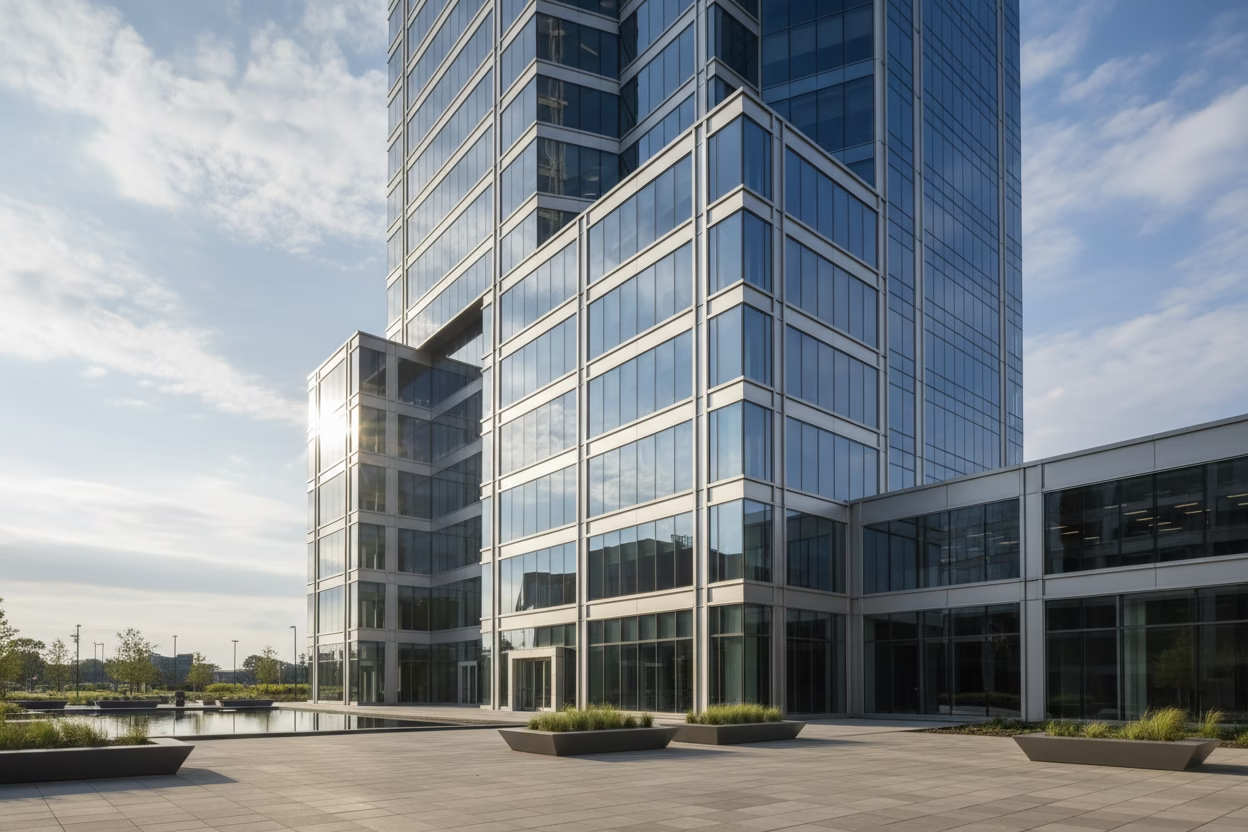
Glass Vs. Aluminum Curtain Wall Costs
Choosing between a glass facade and an Aluminum Curtain Wall often comes down to cost, performance, and long-term value. Both systems shape the building’s look and energy profile. From sleek Transparency to tough Aluminum frames, each option carries different upfront and lifecycle expenses.
Glass Curtain Wall
When people talk about a glass facade system, the focus usually lands on Glazing. That’s where much of the budget goes.
-
High-performance coatings for stronger Thermal performance
-
Laminated layers for better acoustic control
-
Custom Vision panels to maximize Natural light
Costs build in layers:
-
Glass type selection
-
Structural framing support
-
Sealants and Structural silicone
-
Installation precision
A typical glass Facade system includes insulated glazing units, spacers, and specialty gaskets. Energy-efficient coatings raise the price, yet lower operational bills over time. Stronger insulation improves comfort and reduces HVAC strain.
★ Design flexibility adds aesthetic value, but specialty shapes and oversized panels increase fabrication costs.
Short take? Glass brings striking Aesthetics and daylight advantages. The trade-off is higher material pricing and careful maintenance planning. Brands like wallnova often balance visual appeal with smart specification choices to keep long-term performance steady.
Aluminum Curtain Wall
An Aluminum Curtain Wall shifts the cost center toward framing and assembly. The glass still matters, but the aluminum curtain system carries structural responsibility.
-
Core Cost Drivers
-
Aluminum frames and precision Extrusions
-
Vertical Mullions and horizontal transoms
-
Integrated Thermal breaks
-
-
Material Stage
-
Raw aluminum billet sourcing
-
Extrusion shaping
-
Surface finishing
-
Anodizing
-
-
-
Fabrication Stage
-
Cutting and machining
-
Assembly of aluminum framing components
-
Quality inspection
-
-
Performance Factors
-
Durability under wind load
-
Corrosion resistance in coastal zones
-
Long-term finish stability
-
The full Aluminum Curtain Wall system often proves cost-efficient in mid- to high-rise projects because aluminum is Lightweight yet structurally dependable. A well-engineered aluminum facade reduces structural load on the building frame.
wallnova designs each Aluminum Curtain Wall with optimized aluminum extrusion profiles, balancing budget, performance, and sharp exterior Aesthetics—so the building not only looks right, it performs right for decades.
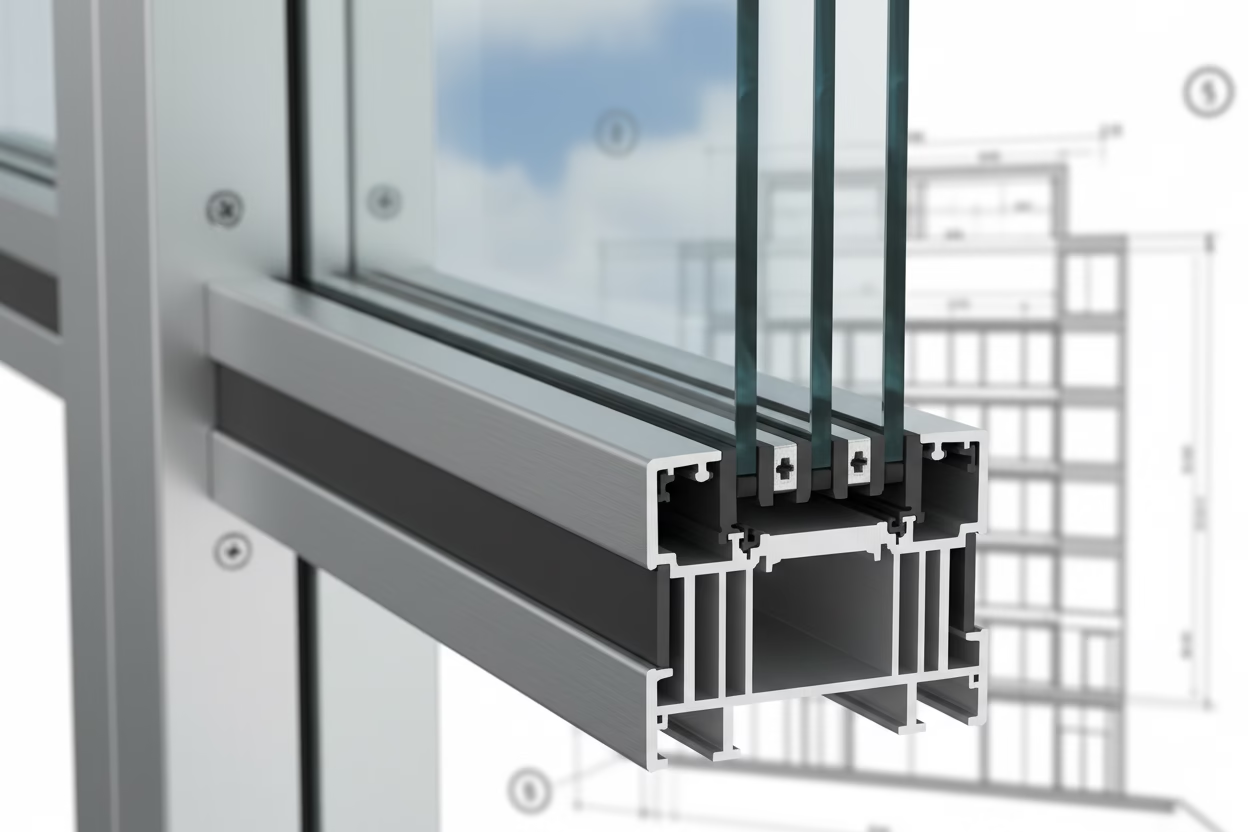
3 Cost Factors In Curtain Wall Selection
Aluminum Curtain Wall pricing can swing fast. From raw aluminum to site labor, every detail shapes the final number. Picking the right Aluminum Curtain Wall system means balancing material, performance, and installation costs wisely.
Material Components and Extrusion Costs
When budgeting an Aluminum Curtain Wall, material choices sit at the core.
-
Primary Framing System
-
Aluminum
-
Custom extrusions increase die and tooling costs.
-
Thicker wall profiles raise structural capacity but add weight.
-
-
Framing connections
-
Precision-machined ends reduce alignment issues.
-
Factory-installed fasteners improve consistency.
-
-
-
Glazing Assembly
-
Glass
- Double vs. triple glazing changes weight and support needs.
-
Gaskets and sealants
- Silicone structural sealants cost more but extend lifespan.
-
-
Fabrication Standards
-
ISO-certified plants.
-
Quality testing for dimensional tolerance.
-
Typical material cost comparison for an Aluminum Curtain Wall:
| Component Type | Standard System ($/m²) | Custom System ($/m²) | Weight (kg/m²) | Lead Time (weeks) |
|---|---|---|---|---|
| Aluminum Framing | 110 | 165 | 18 | 4 |
| Glass (Double) | 95 | 130 | 28 | 3 |
| Gaskets & Sealants | 18 | 25 | 3 | 2 |
| Fasteners & Anchors | 12 | 20 | 4 | 2 |
Even small spec upgrades shift total Aluminum Curtain Wall cost quickly.
Performance Characteristics and Energy Efficiency
Performance upgrades in an Aluminum Curtain Wall affect long-term bills.
-
Thermal insulation improves interior comfort.
-
Lower U-value means less heat transfer.
-
Controlled solar gain reduces cooling demand.
Short notes that matter:
Air leakage drives HVAC strain.
Better weather resistance limits callbacks.
Good acoustics raise tenant satisfaction.
Condensation control protects interior finishes.
Many teams compare curtain wall façade data like this:
-
Check certified wind load ratings.
-
Confirm ASTM water penetration results.
-
Review NFRC thermal reports.
-
Match numbers to climate zone.
An energy-efficient Aluminum Curtain Wall may cost more upfront, yet over time it trims operating expenses. That balance is where smart buyers focus.
Installation Methods and Labor Expenses
Installation style shapes labor budgets for any Aluminum Curtain Wall.
-
Stick-Built Systems
-
Field glazing
-
More on-site alignment.
-
Greater reliance on skilled labor.
-
-
Scaffolding and extended site presence increase overhead.
-
-
Unitized Systems
-
Factory assembly
- Panels arrive pre-glazed.
-
Crane placement
- Faster enclosure.
-
Streamlined site logistics reduce trade overlap.
-
For large towers, unitized Aluminum Curtain Wall systems often cut schedule time by weeks. That means lower supervision cost and earlier occupancy.
Teams working with wallnova often weigh these trade-offs early in design. A well-planned Aluminum Curtain Wall strategy—material, performance, and install method aligned—keeps budgets steady and headaches low.
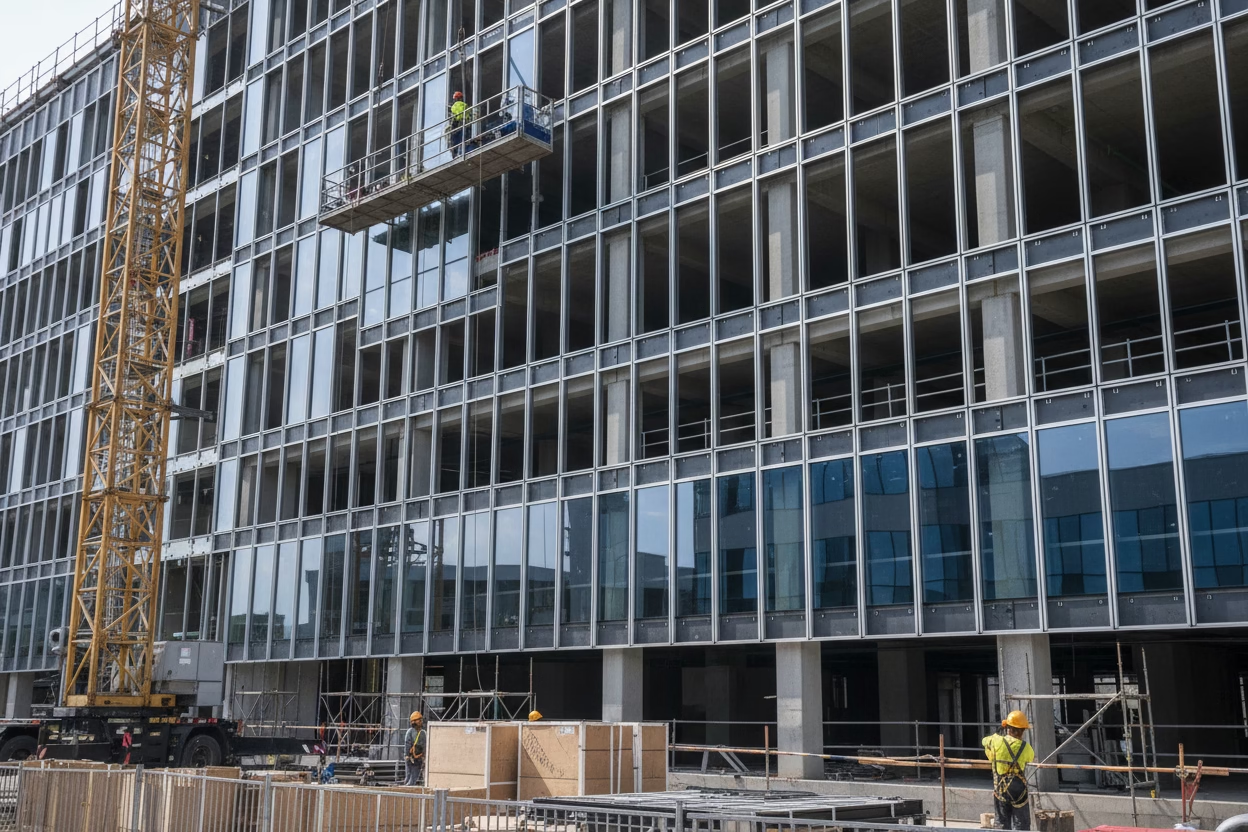
High Maintenance Costs? Choose Aluminum
When upkeep starts eating into your building budget, it’s time to rethink materials. An Aluminum Curtain Wall isn’t just about sleek looks; it’s about cutting repainting, repairs, and surprise fixes. From surface coating to smart installation, aluminum curtain systems simply make life easier.
Long-Lasting Surface Finishes
An Aluminum Curtain Wall stands out because its finish isn’t an afterthought. It’s engineered for serious durability and long-term weatherability.
-
Surface Protection Systems
-
Anodization
-
Forms a controlled oxide layer.
-
Improves resistance to oxidation and urban pollution.
-
-
Powder coating
-
Electrostatic-applied paint particles.
-
Cured into a hard film for impact resistance.
-
-
PVDF liquid coating
-
Multi-layer application.
-
Superior color retention under UV exposure.
-
-
-
Performance Advantages
-
Reduced fading and chalking.
-
Longer repaint cycles.
-
Stable gloss levels across elevations.
-
For aluminum curtain wall façades in coastal or industrial zones, that extra layer of surface science means fewer callbacks and a cleaner look year after year.
Thermal Breaks to Prevent Corrosion
A modern Aluminum Curtain Wall isn’t just metal and glass. It includes built-in insulation and separation systems that quietly protect the frame.
-
Insert high-performance material barriers between interior and exterior profiles.
-
Reduce condensation by limiting thermal transfer.
-
Block trapped moisture that can trigger oxidation.
Key protection mechanisms include:
-
Barrier strips between dissimilar metals.
-
Isolation pads preventing galvanic corrosion.
-
Structural separation that limits hidden water paths.
Short version? Less sweating inside the frame, fewer corrosion headaches outside. That’s how curtain wall aluminum assemblies keep maintenance costs low.
Quality Control and Fabrication Standards
Behind every reliable Aluminum Curtain Wall is disciplined factory work.
-
Raw Material Control
-
Verified alloy batches.
-
Dimensional inspection upon delivery.
-
-
Extrusion & Machining
-
Tight tolerance management.
-
CNC processing for connection precision.
-
In-process testing of profile strength.
-
-
Assembly & Compliance
-
Controlled assembly lines.
-
Third-party certification.
-
Code-based specification checks for wind and seismic loads.
-
Final compliance documentation before shipment.
-
This layered quality workflow keeps aluminum curtain wall systems consistent, reducing site adjustments and long-term service issues.
Simplified Panel Erection and Field Glazing
Maintenance costs often start with poor installation. A unitized Aluminum Curtain Wall solves that at the root.
-
Prefabrication Logic
-
Factory assembly of frames and glass.
-
Integrated sealing under controlled conditions.
-
Pre-installed anchors and attachment hardware.
-
-
Site Efficiency
-
Modular installation sequence.
-
Lift panel.
-
Align to structural frame.
-
Lock and seal.
-
-
Minimal on-site site work and rework.
-
-
Risk Reduction
-
Less field prefabrication error.
-
Reduced weather exposure during glazing.
-
Cleaner interfaces between panels.
-
The result? An aluminum curtain wall that goes up faster, performs tighter, and saves money long after the scaffolding comes down.
FAQs about Aluminum Curtain Wall
What factors most affect the cost of an Aluminum Curtain Wall system?
Cost moves with design ambition and performance demand.
1) Material scope
-
Aluminum Extrusions (custom vs. standard)
-
Mullions, Transoms, Anchor Brackets
-
Glazing Gaskets, Sealants, integrated Thermal Breaks
2) Performance targets
Higher Wind Load Resistance, tighter Air Infiltration control, and strict Water Penetration testing under AAMA Standards and ASTM Standards raise fabrication precision and Quality Control levels.
3) System choice
-
Stick Built System: more Field Glazing labor, lower shipping volume
-
Unitized System: factory Assembly, faster Panel Erection, tighter ISO Certification oversight
When Structural Design grows complex or LEED Certification is pursued, Fabrication depth and compliance with Building Codes naturally increase the budget tension.
How do thermal breaks improve Thermal Performance in an Aluminum Curtain Wall?
Thermal Breaks sit between interior and exterior Aluminum Extrusions, reducing Thermal Bridging inside the Building Envelope. The impact is practical and visible:
-
Lower condensation risk near Mullions and Transoms
-
Improved Energy Efficiency and interior comfort
-
Better alignment with NFRC Certification metrics
In cold or humid climates, this separation preserves Sealants and Glazing Gaskets, supports long-term Acoustic Insulation, and stabilizes interior Daylighting conditions without cold drafts near the façade line.
Which surface finishes provide the best long-term durability?
Surface choice shapes both Architectural Aesthetics and service life.
| Finish Type | Durability Focus | Typical Use |
|---|---|---|
| PVDF Coating / Fluoropolymer Coating | Strong UV resistance, color retention | High-rise façades |
| Anodized Finish | Corrosion resistance, metallic tone stability | Coastal or humid zones |
| Powder Coated Finish | Thick protective layer, Custom Color flexibility | Commercial projects |
| Mill Finish | Minimal processing | Secondary structures |
Anodizing and Powder Coating depend on controlled Manufacturing Processes and disciplined Quality Control. When Facade Engineering demands bold color or long exposure under severe Wind Load Resistance and Seismic Performance criteria, premium coatings justify their place in the specification.
 English
  Français
  Bahasa Indonesia
  Deutsch
  Italiano
  Español
  العربية
  Español de México
  Nederlands
  香港中文
香港中文