
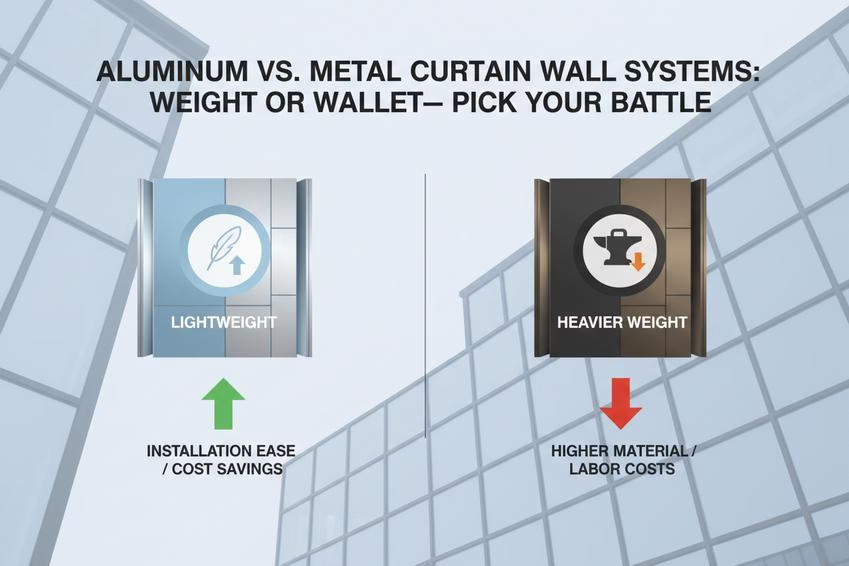
Weight or wallet—pick your battle. When it comes to metal or aluminum curtain wall systems, one saves freight bills, the other piles them on.
Choosing between metal or aluminum curtain wall systems can feel like picking the engine for a cross-country rig—you won’t see it working, but you’ll pay for every bad decision. One choice adds weight and upkeep. The other trims fat and keeps things moving. On a big commercial build, that difference shows up fast in freight bills, install time, and long-term maintenance.
Architects know the stakes. As the U.S. Department of Energy notes, building envelopes drive a major share of energy performance in commercial properties. Get the façade wrong, and you’re bleeding money through the skin of the building.
So before signing that bulk purchase order, it pays to know which system actually carries its weight—and which one just adds it.
Introduction to Metal and Aluminum Curtain Wall Systems
Modern skylines lean heavily on metal or aluminum curtain wall systems. From office towers to transit hubs, these façades mix style with serious engineering muscle. In this overview, we break down how metal curtain wall and aluminum curtain wall systems perform, what goes inside them, and why smart builders trust solutions like Wallnova.
Material Properties and Alloy Composition Overview
When specifying metal or aluminum curtain wall systems, material choice drives everything—strength, lifespan, and thermal behavior included.
- Base Materials
- Aluminum alloys
- Common grades: 6061, 6063
- High strength-to-weight ratio keeps façade loads manageable.
- Strong corrosion resistance supports coastal and humid climates.
- Steel
- Used in anchors or hybrid frames.
- Higher tensile strength.
- Requires coatings for long-term durability.
- Aluminum alloys
- Performance Characteristics
- Mechanical
- Yield strength (MPa)
- Modulus of elasticity
- Physical
- Thermal conductivity impacts insulation strategy.
- Expansion coefficients affect joint detailing.
- Surface
- Anodized or powder-coated surface finish improves weathering resistance.
- Mechanical
- Fire and Compliance
- ASTM E84 for flame spread
- ISO certifications for production control
- Fire-rated assemblies integrated into aluminum curtain wall systems
Below is a reference table often used during specification of metal or aluminum curtain wall systems:
| Property | 6063-T5 Aluminum | 6061-T6 Aluminum | Galvanized Steel | Unit |
|---|---|---|---|---|
| Yield Strength | 145 | 240 | 250 | MPa |
| Density | 2.70 | 2.70 | 7.85 | g/cm³ |
| Thermal Conductivity | 201 | 167 | 50 | W/m·K |
| Corrosion Resistance | High | High | Moderate | — |
| Fire Rating (Assembly) | Up to 2 hr | Up to 2 hr | Up to 3 hr | Hours |
This is why metal curtain wall systems stay popular: lighter loads, solid fire ratings, and finishes that hold up without constant fuss.
Core Components: Framing Systems, Sealants, and Support Structures
A sleek façade hides a lot of hardware. Inside metal or aluminum curtain wall systems, every piece has a job.
Key structural elements include:
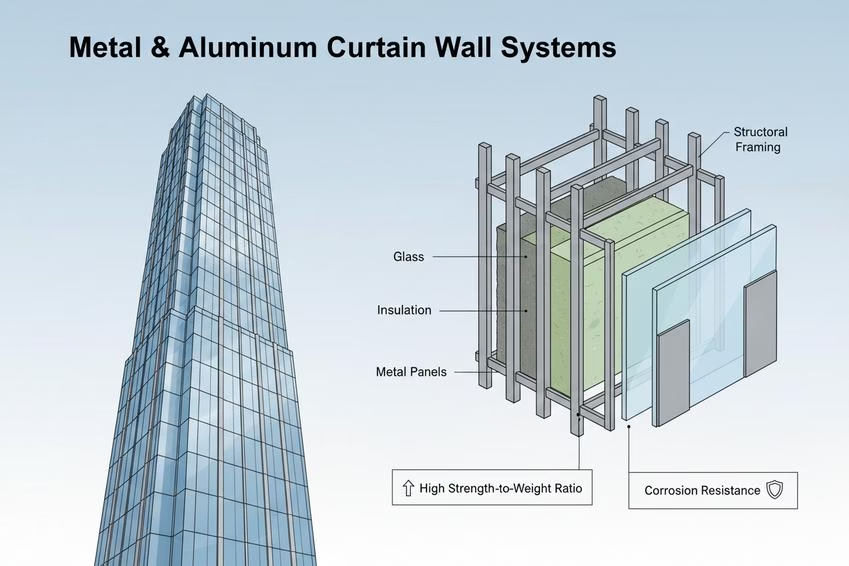
- Extruded aluminum profiles forming vertical mullions and horizontal transoms
- Reinforced steel framing at high-load points
- Anchors tied back to slab edges for stable structural support
Here’s how the build-up usually flows:
- Anchors are fixed into concrete slabs.
- Vertical mullions are installed and aligned.
- Transoms lock in, forming a rigid grid.
- Panels and glazing are seated.
- Gaskets and adhesives seal joints for air and water tightness.
Short but critical details matter:
Tight tolerances prevent air leakage.
Compression gaskets manage thermal movement.
High-grade sealants stop water ingress during driving rain.
For aluminum curtain wall systems, insulation layers and thermal breaks reduce heat transfer through the frame. That’s huge for energy codes and utility bills. Many contractors choose Wallnova for engineered framing kits that simplify alignment and reduce on-site guesswork. Less hassle. Fewer callbacks.
When metal curtain wall assemblies are installed right, the structure stays stiff under wind load, yet flexible enough to handle expansion swings between summer heat and winter chill.
Typical Panel Specifications: Thickness, Dimensions, and Edge Profiles
Panels define the look of metal or aluminum curtain wall systems, but specs define performance.
- Panel Types
- Glass panels
- Double or triple glazing
- Low-E coatings for efficiency
- Metal panels
- Solid aluminum sheets
- Perforated designs for shading
- Composite panels
- Aluminum skins bonded to core
- Balanced weight
- Improved stiffness
- Glass panels
- Dimensional Standards
- Panel thickness
- 2 mm–4 mm for aluminum sheets
- 24 mm–40 mm for insulated glass units
- Panel dimensions
- Custom-fabricated to match elevation grids
- Weight calculated per square meter
- Panel thickness
- Edge and Joint Detailing
- Edge sealing with silicone or EPDM
- Interlocking profiles to manage load transfer
- Integrated weatherproofing barriers behind cladding
In practice, aluminum façade systems must align with shop drawings down to millimeter tolerances. Fabrication shops pre-cut and label panels, then test-fit assemblies before shipping. That’s standard for quality-focused brands like Wallnova, especially on large commercial builds where a single misaligned panel can slow everything down.
Across high-rises and civic buildings alike, metal or aluminum curtain wall systems keep proving their worth. Light in weight, strong under pressure, and sharp in appearance—they’re not just cladding. They’re the face of the building.
Key Differences Between Aluminum and Metal Curtain Wall Systems
Choosing between metal or aluminum curtain wall systems can feel like picking between two solid playlists—both work, but the vibe shifts. In modern façades, metal or aluminum curtain wall systems shape performance, cost, and style. From curtain wall framing to façade panels, the details matter. Here’s how metal or aluminum curtain wall systems truly differ in daily building practice.
Aluminum curtain wall systems
When comparing metal or aluminum curtain wall systems, aluminum stands out for its lightweight nature and clean fabrication flow.
- Material behavior
- Structural traits
- High formability allows precise extrusion profiles.
- Reduced dead load improves structural efficiency.
- Performance factors
- Natural corrosion resistance enhanced by anodizing.
- Strong recyclability, supporting circular construction goals.
- Structural traits
- Thermal and cost profile
- Heat movement
- Noticeable thermal conductivity, often balanced with thermal breaks.
- Budget impact
- Solid cost-effectiveness in mid- to high-rise projects.
- Heat movement
In metal or aluminum curtain wall systems, aluminum curtain walls simplify transport, speed up installation, and maintain tight tolerances. For many architects, aluminum façade systems feel practical and sharp without overcomplicating site work.
Metal curtain wall systems
Metal or aluminum curtain wall systems also include broader metal curtain wall options like steel-based assemblies.
- Structural capacity
- Core performance
- Higher strength for demanding spans.
- Long-term structural integrity under load.
- Lifecycle value
- Proven durability and longevity in harsh climates.
- Core performance
- Design and protection
- Surface engineering
- Advanced coatings boost weather resistance.
- Visual impact
- Strong aesthetics and real design flexibility through welding and forming.
- Surface engineering
Within metal or aluminum curtain wall systems, metal curtain walls often suit projects chasing higher fire ratings and tougher envelopes. In short, curtain wall systems built from steel or other metals trade extra weight for serious resilience, while still delivering bold façade character.
Cost Comparison: Metal vs. Aluminum Curtain Walls
Choosing between metal or aluminum curtain wall systems isn’t just about looks. Budget pressure, building height, climate, and long-term upkeep all sneak into the decision. From upfront fabrication to lifetime service, the real cost of metal or aluminum curtain wall systems shows up in layers, not just on invoices.
Metal curtain walls
When evaluating metal or aluminum curtain wall systems, metal options often stand out for Strength and Durability, yet pricing builds step by step:
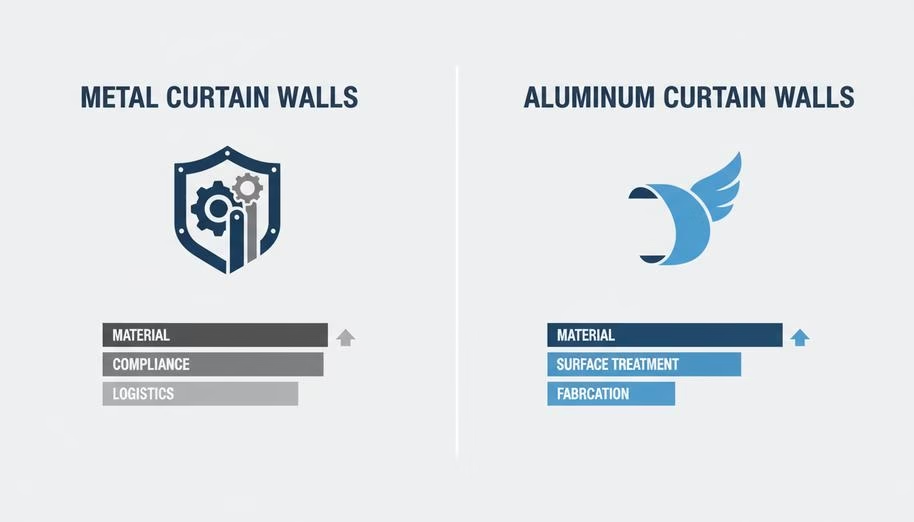
- Material and Fabrication1.1 Grade selection
- Higher structural steel grades improve Corrosion resistance but raise base cost.
- Certified welds for fire-rated assemblies add labor hours.
- Advanced coatings extend Maintenance cycles.
- Compliance and Performance2.1 Fire rating compliance
- Added insulation layers increase Weight and shipping cost.
- Enhanced load capacity boosts long-term value.
- Logistics and Lifecycle3.1 Shipping methods
- Heavier panels mean higher freight charges.
- Scheduled inspections protect Durability over decades.
For large-scale metal or aluminum curtain wall systems, Wallnova balances fabrication efficiency with strict quality control, keeping lifetime cost steady rather than spiking later.
Aluminum curtain walls
In metal or aluminum curtain wall systems, aluminum plays a different game, leaning on Lightweight performance and easy shaping.
- Material Composition1.1 Alloy selection
- Impacts Corrosion resistance and Thermal conductivity.
- Complex profiles increase tooling cost but enhance Formability.
- Surface Treatment2.1 Anodizing process
- Boosts finish life and improves Recyclability value.
- Adds branding flexibility.
- Fabrication and Delivery3.1 Panel complexity
- Curved façades require precision CNC work.
- Lightweight frames reduce freight strain.
Compared with heavy metal curtain wall systems, aluminum curtain wall systems often cut installation time. Wallnova optimizes both aluminum façade systems and steel-based designs, helping clients choose metal or aluminum curtain wall systems that match budget, climate, and long-term performance goals.
Performance Differences Between Metal and Aluminum Curtain Wall Systems
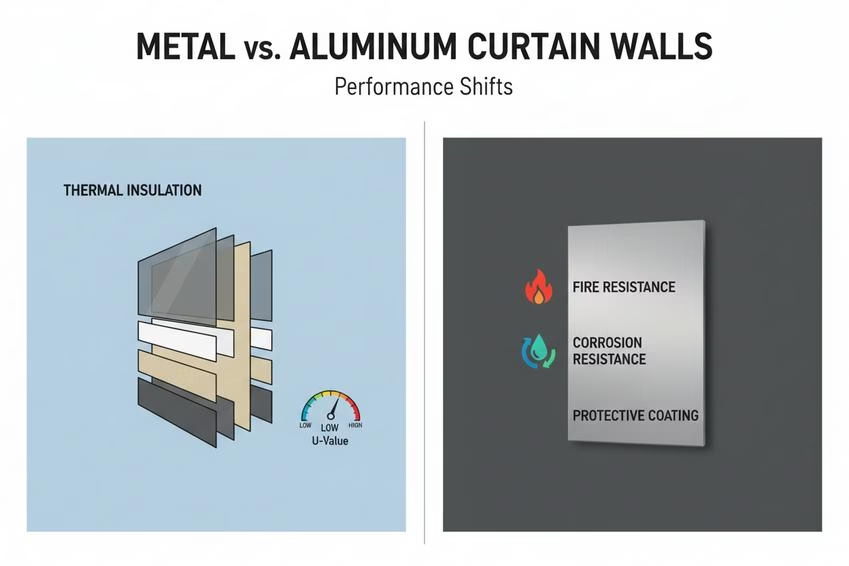
When comparing metal or aluminum curtain wall systems, small technical gaps create big performance shifts. From heat flow to fire safety, every layer counts. Let’s break down how metal curtain walls and aluminum curtain wall systems actually perform in real projects.
Thermal Conductivity and Insulation Materials
In metal or aluminum curtain wall systems, heat control shapes energy bills and comfort.
- Core Thermal Metrics1.1 Thermal conductivity directly affects heat transfer through framing members.1.2 Lower U-value means better energy efficiency.1.3 High insulation R-value reduces unwanted temperature swings.
- Design Components2.1 Integrated thermal breaks limit thermal bridging between exterior and interior.2.2 Advanced insulating glass units improve façade-wide insulation.2.3 Proper gasket detailing keeps performance consistent over time.
- Material Comparison3.1 Aluminum transfers heat faster than some composite metal curtain wall options.3.2 Enhanced polyamide thermal breaks narrow that gap significantly.3.3 Wallnova optimizes framing geometry to balance slim sightlines with strict code targets.
In short bursts: tighter breaks, better glass, smarter framing. That’s how modern metal or aluminum curtain wall systems stay code-compliant and budget-friendly.
Mechanical Strength and Support Structures
Structural behavior in metal or aluminum curtain wall systems depends on alloy grade and framing logic.
- Material Properties1.1 Tensile strength influences panel span limits.1.2 Yield strength defines permanent deformation thresholds.1.3 Combined, these protect long-term structural integrity.
- Load Management2.1 Verified load-bearing capacity resists dead load and live load.2.2 Tested wind load resistance supports high-rise façades.2.3 Engineered seismic performance protects joints under movement.
- Support Systems3.1 Reinforced support framing distributes stress evenly.3.2 Precision anchorage systems secure panels to slabs.3.3 In many metal curtain wall projects, aluminum curtain wall systems reduce weight, easing foundation demand.
Quick takeaway: lighter frames, solid anchors, smarter engineering.
Fire Rating and Corrosion Resistance
Safety and lifespan sit front and center in metal or aluminum curtain wall systems.
- Fire Performance1.1 Certified fire resistance rating ensures code approval.1.2 Low combustibility limits flame spread.1.3 Controlled smoke development protects occupants.
- Corrosion Behavior2.1 Natural oxidation forms a protective aluminum layer.2.2 Managed galvanic corrosion prevents metal conflict.2.3 Proven corrosion resistance improves coastal durability.
- Surface Protection3.1 High-grade coatings enhance weathering stability.3.2 Long-term durability supports extended warranties.3.3 Wallnova applies tested finishes aligned with ASTM benchmarks.
For developers weighing metal façade systems, the choice isn’t hype—it’s measurable performance across heat, load, and fire control.
4 Key Advantages of Choosing Metal Curtain Wall Systems
metal / aluminum / curtain / wall / systems — break the phrase down and you get the core of modern façades. From slim aluminum curtain walls to fully engineered metal curtain wall systems, these assemblies shape skylines and keep buildings safe. Below, we unpack why metal or aluminum curtain wall systems continue to dominate commercial envelopes.
Exceptional Corrosion Resistance and Longevity
When specifying metal or aluminum curtain wall systems, durability usually tops the list.
- Material Base
- Aluminum alloy (6061/6063)
- Natural oxide layer slows oxidation.
- Works well with anodizing process.
- Galvanized steel panels
- Zinc coating thickness (Z275 or above).
- Improved edge protection.
- Aluminum alloy (6061/6063)
- Surface Protection Systems
- Powder coating
- Film thickness: 60–120 μm.
- UV resistance tested under ISO 16474.
- PVDF coating
- 70% fluoropolymer content.
- Long-term color stability in coastal zones.
- Powder coating
- Environmental Adaptability
- Coastal salt spray resistance
- Industrial pollution tolerance
- Freeze–thaw cycle stability
With proper coating application and certified fabrication, metal and aluminum curtain wall systems often exceed 30 years of service life with routine inspection.
Superior Mechanical Strength for High-Rise Projects
High-rise jobs demand serious backbone strength. Aluminum curtain wall systems combine light weight with impressive load capacity, which keeps structural engineers happy and cranes less stressed.
- High strength-to-weight ratio reduces dead load.
- Engineered support brackets manage wind pressure.
- Reinforced mullion and transom profiles limit deflection.
For tall towers, metal curtain wall systems are checked against wind tunnel data. Deflection limits like L/250 or L/360 are common in architectural drawings. In plain terms, the façade flexes a little—just not enough to cause glass failure or sealant cracks. That balance is why curtain wall systems made of aluminum remain a go-to choice for urban skylines.
Compliance with Fire Rating Standards
Fire safety is non-negotiable in metal or aluminum curtain wall systems. Performance is verified through standardized testing and certified documentation.
Fire Performance Indicators
| Parameter | Standard Reference | Typical Requirement |
|---|---|---|
| Fire Resistance Rating | ASTM E119 | 1–2 Hours |
| Surface Burning Characteristics | ASTM E84 | Class A |
| Perimeter Fire Barrier System | ASTM E2307 | Pass |
| Non-Combustibility (Metal Panel) | ASTM E136 | Qualified |
- Core Components
- Non-combustible aluminum panels
- Fire-rated mineral wool insulation
- Tested perimeter fire barrier systems
- Code Alignment
- International Building Code (IBC)
- Local high-rise amendments
- Third-party lab certification reports
This structured compliance process ensures curtain wall systems meet both life-safety goals and inspection standards.
Customizable Surface Finish and Coating Applications
Design teams love flexibility. And metal curtain wall systems deliver.
• Matte, gloss, or metallic finishes
• Custom RAL color matching
• Textured powder coating
Here’s how it usually plays out:
- Confirm architectural intent.
- Select base metal—aluminum curtain wall or steel variant.
- Choose coating: powder coating, PVDF, or anodizing process.
- Run adhesion and thickness tests.
Short version? Clean lines. Sharp edges. Bold colors.
From brushed aluminum curtain walls on tech campuses to dark anodized metal façade systems on civic buildings, customization keeps architects creative while maintaining performance standards.
FAQs about Metal Or Aluminum Curtain Wall Systems
What makes metal or aluminum curtain wall systems reliable for high-rise buildings?
Metal or aluminum curtain wall systems stand firm under pressure because performance begins at the material level and extends to engineering discipline.
1) Material backbone
- Optimized alloy composition delivers high mechanical strength with controlled panel weight.
- Certified fire rating and corrosion resistance meet ASTM standards and ISO certifications.
2) Engineered assembly
- Precisely designed framing systems and support structures align with architectural drawings and engineering specifications.
- Tested fastening methods, sealants and gaskets maintain airtight performance under wind load.
3) Verified performance
- Performance testing under building codes confirms panel thickness, panel dimensions, and structural behavior.
When height increases and wind intensifies, this system answers with measurable strength rather than promises.
How do alloy composition and surface finish influence durability and energy efficiency?
Durability is shaped by chemistry; efficiency is shaped by control of heat and surface protection.
◆ Alloy composition defines tensile capacity and long-term mechanical strength.
◆ Surface finish—including coating application and anodizing process—enhances corrosion resistance in coastal or industrial zones.
◆ Thermal conductivity works with insulation materials and thermal breaks to reduce heat transfer and meet energy-focused building codes.
In fabrication, extrusion techniques allow precise edge profiles and tighter panel fabrication tolerances, while sheet metal forming and welding procedures serve heavier steel-based systems. The right combination protects appearance, structure, and operating costs over decades.
What should bulk buyers evaluate before ordering large-scale systems?
Procurement is rarely about price alone; it is a balance of specification, compliance, and logistics discipline.
A. Panel specifications
- Panel thickness and panel dimensions must match installation guidelines.
- Panel weight influences lifting plans and site access limits.
- Edge profiles affect alignment and visual consistency.
B. System components & quality control
- Framing systems, fastening methods, and insulation materials should follow performance testing records.
- Material traceability, ASTM standards, and warranty terms reduce approval delays.
C. Logistics and execution
- Packaging requirements protect surface finish during shipping methods.
- Storage conditions and delivery schedules must align with construction sequencing.
When each layer—technical, regulatory, and logistical—fits together, the curtain wall arrives ready not just for installation, but for long-term confidence.
 English
  Français
  Bahasa Indonesia
  Deutsch
  Italiano
  Español
  العربية
  Español de México
  Nederlands
  香港中文
香港中文