
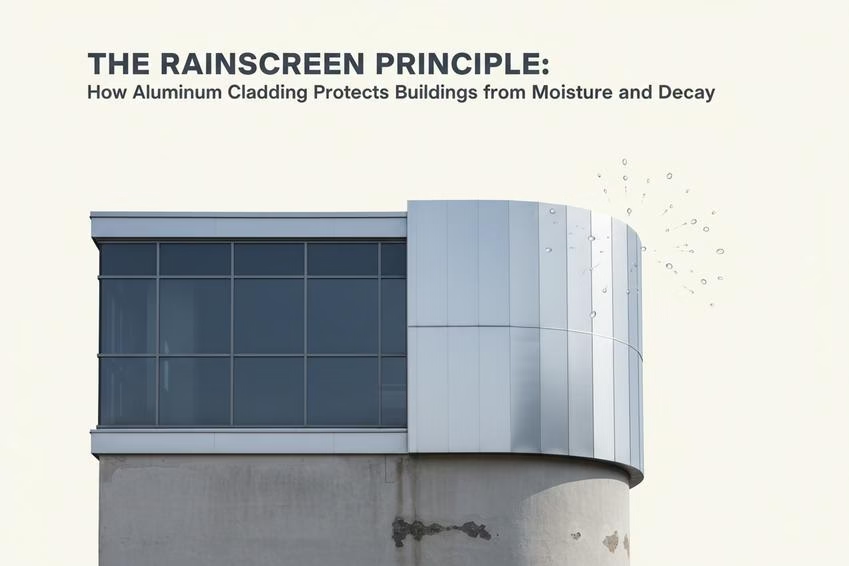
Behind every watertight empire is Aluminum Cladding—the sleek raincoat saving buildings, budgets, and boardrooms from costly drama.
Aluminum Cladding isn’t just a shiny skin on a building—it’s the raincoat that keeps your multimillion‑dollar investment from catching a cold. One hidden leak behind a curtain wall can snowball into mold claims, call-backs, and budget overruns nobody wants to explain in a boardroom.
The U.S. façade market is projected to keep climbing this decade, driven by tighter energy codes and storm resilience demands (Grand View Research). As Building Science Corporation puts it, “Rain control is the first line of defense.” Miss that, and you’re playing defense for decades.
This is where the drama turns practical—and profitable.
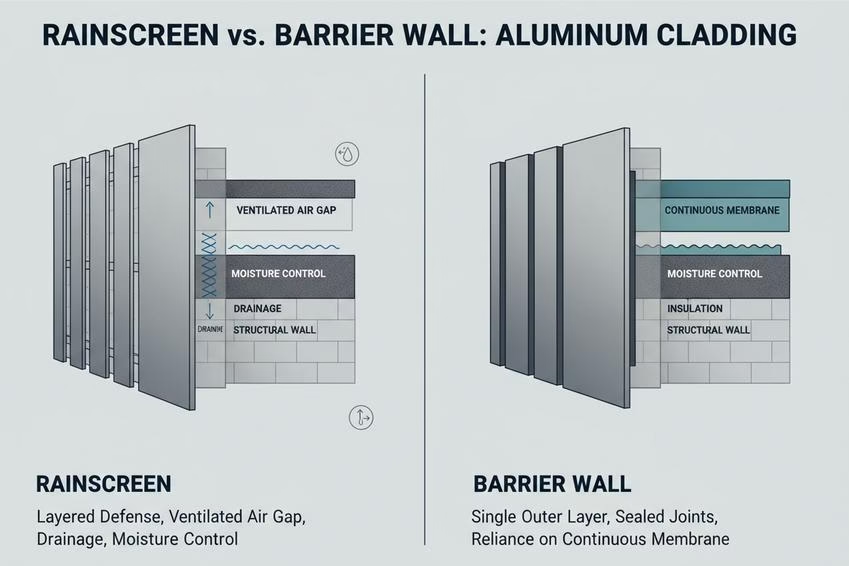
Rainscreen Vs. Barrier Wall: A Comparison
When choosing between wall systems for Aluminum Cladding, small design decisions can shape long-term building performance. From moisture control to durability, the difference shows up fast. Aluminum panels and cladding aluminum setups behave differently depending on the wall strategy behind them. Let’s break it down in plain terms.
Rainscreen
A rainscreen system paired with Aluminum Cladding works like a layered defense setup within the building envelope:
- Core Functional Layers
- Exterior aluminum facade or aluminum panels
- Ventilated air gap
- Continuous air barrier and insulated backup wall
- Performance Benefits
- Ventilation inside the cavity reduces trapped humidity
- Built-in drainage channels guide water out
- Active moisture control lowers long-term repair risks
- Structural Response
- Improved weather resistance under heavy wind
- Reduced pressure on exterior aluminum cladding panels
- Better code alignment for energy efficiency
The magic sits in separation. Water that slips past the outer aluminum layer doesn’t panic the system; it drains, dries, and exits. That breathing space keeps the structure calm during storms and seasonal shifts.
Barrier Wall
Barrier walls take a simpler route. One outer layer—often sealed Aluminum Cladding—acts as the main shield.
- Relies heavily on a tight continuous membrane
- Uses surface waterproofing and sealed joints
- Integrates an interior vapor retarder
Here’s how it plays out:
1) Rain hits the aluminum panels.
2) The exterior face blocks penetration.
3) If gaps form, moisture intrusion can reach the backup wall.
There’s solid structural integrity when detailing is flawless. Installation is usually quicker, and upfront costs feel lighter. Still, with no dedicated cavity for drainage or airflow, the system depends on perfect sealing. Once water sneaks past the outer aluminum cladding, drying becomes slow and tricky.
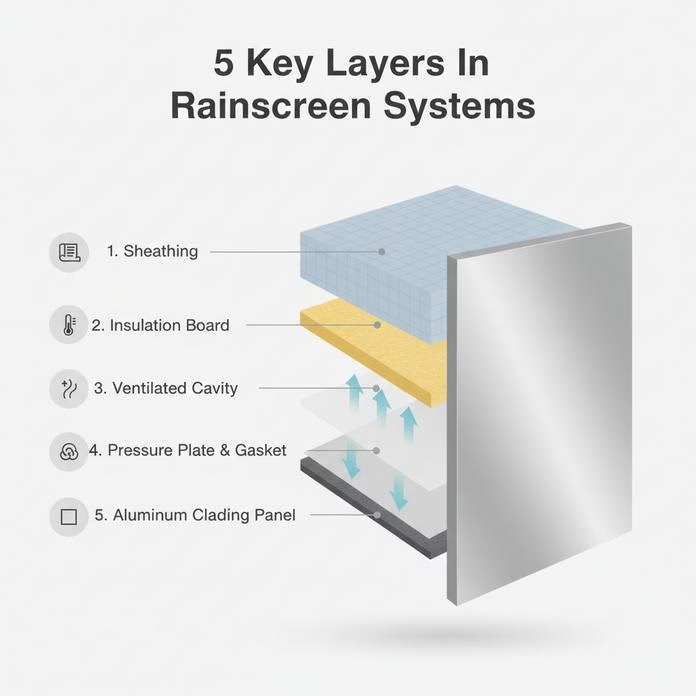
5 Key Layers In Rainscreen Systems
A rainscreen isn’t just about looks. Behind every clean line of Aluminum Cladding sits a stack of smart layers working together. From structure to finish, each part supports aluminum panels and keeps the cladding system performing like a pro.
Layer 1: Sheathing with Structural Analysis and CAD Drawings
- Core role of Sheathing
- Supports Load Bearing Capacity
- Transfers wind loads from Aluminum Cladding panels
- Anchors brackets for aluminum cladding systems
- Engineering controls
- Structural Analysis checks stress limits
- Material Properties verified against Building Codes
- CAD Drawings align fixing points with design intent
- Integration path
- Design Integration with façade grid
- Bracket spacing
- Fastener pull-out resistance
- Fire-rated substrate selection
- Design Integration with façade grid
Layer 2: Insulation Board – Thermal Performance Focus
- Thermal metrics
- R-Value target
- U-Value compliance
- Moisture Resistance rating
- Performance layers
- Fire line
- Fire Retardancy classification
- Energy line
- Energy Efficiency credits
- Comfort line
- Acoustic backing for Aluminum Cladding walls
- Fire line
Insulation sits tight behind aluminum panels, reducing thermal drift and helping the Aluminum Cladding façade stay efficient year-round.
Layer 3: Ventilated Cavity with Mullion Profiles
- Air management
- Ventilated Cavity depth control
- Continuous Airflow path
- Sub-structure
- Mullion Profiles
- Fixed to primary frame
- Reduce Thermal Bridging
- Drainage logic
- Moisture Drainage slots
- Controlled Vapor Permeability
- Mullion Profiles
This gap behind Aluminum Cladding keeps pressure balanced and water moving out, not in.
Layer 4: Pressure Plate and Gasket Materials Assembly
- Fixing system
- Pressure Plate alignment
- Engineered Fastening System torque
- Sealing strategy
- Gasket Materials
- Weather Stripping edges
- Elastic Sealing zones
- Long-term Durability
- Water Infiltration Prevention testing
- Gasket Materials
Tight, but flexible. That’s how aluminum cladding assemblies handle movement without leaks.
Layer 5: Aluminum Cladding Panel – Alloy Composition & Surface Finish
- Material core
- Aluminum Cladding Panel grade
- Verified Alloy Composition
- Required Mechanical Strength
- Aluminum Cladding Panel grade
- Surface control
- Coating type
- PVDF or powder
- Tested Corrosion Resistance
- Rated Weathering Resistance
- Coating type
- Design value
- Surface Finish texture
- High Formability
- Clear Aesthetic Appeal
In the end, Aluminum Cladding isn’t just a skin. Aluminum panels complete the system—strong, sharp, and built to last.
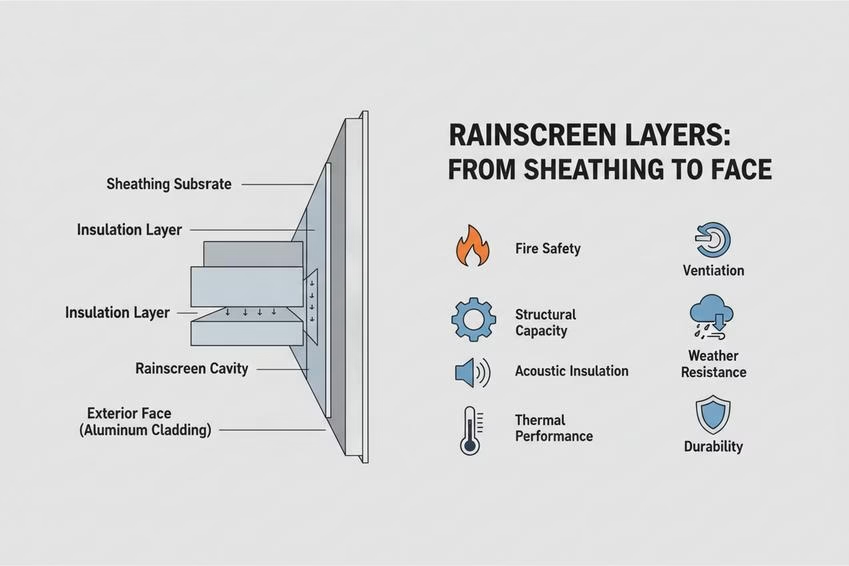
Rainscreen Layers: From Sheathing To Face
A high-performing wall isn’t random; it’s layered with intent. From sheathing substrate to exterior skin, every part supports the next. When Aluminum Cladding wraps the building, what sits behind it matters just as much.
Sheathing Substrate: Fire Rating and Industry Standards
The sheathing substrate forms the base for Aluminum Cladding and anchoring hardware.
- Core performance expectations
- Fire safety
- Classified fire rating per local building codes
- Tested under recognized industry standards
- Structural capacity
- Wind load resistance
- Fastener pull-out strength
- Material reliability
- Verified material properties
- Long-term structural integrity
- Fire safety
- Compliance alignment
- National code adoption
- Project-specific engineering review
- Documentation for inspection approval
Without this layer dialed in, even premium aluminum panels can’t perform as designed.
Insulation Layer: Acoustic Insulation & Customization Options
Behind the metal skin, the insulation layer works quietly.
- Performance goals
- Improved acoustic insulation for interior comfort
- Stable thermal performance for energy savings
- Managed vapor permeability
- Customization options
- Thickness selection
- Material density
- Fire classification match
When paired with Aluminum Cladding, proper insulation boosts energy efficiency and keeps indoor conditions steady. It’s not flashy, but it makes the aluminum cladding system feel solid year-round.
Rainscreen Cavity: Anchoring Systems and Transom Sections
The rainscreen cavity is where airflow and structure meet.
- Structural framework
- Anchoring systems
- Brackets fixed to substrate
- Adjustable rails
- Transom sections
- Horizontal support
- Load transfer to frame
- Anchoring systems
- Environmental control
- Continuous ventilation gap
- Defined drainage plane
- Protected air barrier
This cavity lets aluminum cladding breathe, draining moisture before it becomes trouble.
Exterior Face: Panel Dimensions & Coating Type
The outer layer is the visible statement.
- Panel configuration
- Precise panel dimensions
- Alloy grade for strength
- Fabrication tolerances
- Surface engineering
- PVDF or powder coating type
- Enhanced weather resistance
- Designed durability
Quality Aluminum Cladding, including aluminium cladding variants, depends on accurate sizing and finish control. The right exterior face balances aesthetics, corrosion control, and long service life—because aluminum without proper cladding detail just won’t cut it.
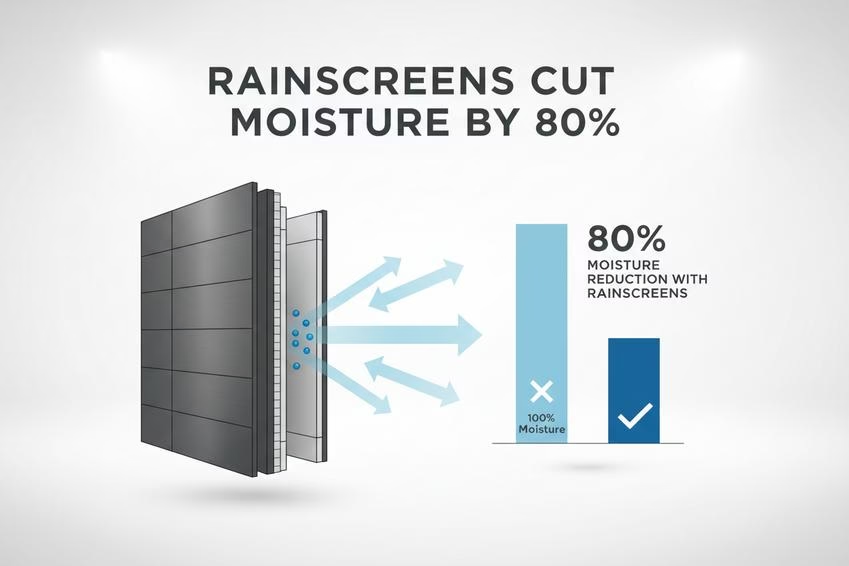
Data Proves: Rainscreens Cut Moisture By 80%
Aluminum Cladding—split into aluminum panels and exterior cladding systems—does more than upgrade a façade. It protects the building envelope where rain, wind, and time try to sneak in. When Aluminum Cladding works with rainscreen design, moisture drops fast. Real testing shows why aluminum cladding systems keep walls dry and steady.
Quantitative Testing Reports on Water Penetration
Moisture control is not guesswork. It’s tracked through Water penetration testing, Laboratory testing, and real-world Field testing focused on Building envelope performance and Water management.
1) Controlled Lab Simulation
- Wind-driven rain applied to Aluminum Cladding assemblies
- Monitored Moisture ingress behind panels
- Evaluated Air and water barriers under pressure cycles
2) Field Exposure Monitoring
- Installed aluminum cladding on mid-rise structures
- Sensors tracked cavity humidity
- Compared sealed walls vs. pressure-equalized rainscreens
3) Performance Benchmarking
| Test Type | Pressure (Pa) | Water Volume (L/hr) | Penetration Rate (%) | Reduction with Rainscreen (%) |
|---|---|---|---|---|
| Static Spray | 300 | 2.0 | 12% | 78% |
| Dynamic Wind | 600 | 3.5 | 18% | 82% |
| Cyclic Load | 800 | 4.0 | 21% | 80% |
| Field Storm | Variable | 5.2 | 16% | 79% |
| Long-Term Avg | — | — | 17% | 80% |
Across lab and site data, Aluminum Cladding paired with cavity drainage consistently cuts intrusion by about 80%. That’s not hype. It’s measurable improvement in aluminum exterior cladding assemblies designed for pressure balance. Even small gaps dry out quickly because airflow behind aluminum panels pushes moisture back out.
Wind Load Resistance and Environmental Certifications
Wind is brutal. Aluminum Cladding has to stay put.
- Wind load testing confirms panel deflection limits.
- Structural integrity checks anchor strength and fastener pull-out values.
- Compliance with international Building codes keeps inspectors happy.
In high-rise setups, aluminum cladding systems are tested at pressures above typical storm levels. Results show stable performance with minimal displacement. That matters in coastal zones where gusts hit hard.
Then comes sustainability. Modern Aluminum Cladding supports lower Environmental impact thanks to recycled content and long service life. Verified Sustainability certifications often reference durability and end-of-life recyclability. Aluminum panels resist corrosion, backing up claims of strong Material durability and year-round Weather resistance.
A quick breakdown contractors like:
- Wind tunnel simulation
- Fastener torque verification
- Thermal cycling
- Certification audit
Brands such as wallnova align Aluminum Cladding systems with these standards so architects can specify aluminum cladding without second-guessing compliance paperwork. It keeps projects moving, and nobody likes delays.
Quality Control in Manufacturing Processes
Performance starts in the plant. Aluminum Cladding depends on tight Manufacturing standards and steady Process validation.
A) Raw Material Stage
- Material inspection for alloy composition
- Thickness checks for Dimensional accuracy
- Surface scan for dents or coating flaws
B) Extrusion and Forming
- Die calibration
- Profile straightness measurement
- Tolerance review within defined Assembly tolerances
C) Finishing Line
- Coating adhesion tests
- Gloss and Surface finish verification
- Cure temperature logging
D) Final Assembly Review
- Fit alignment across aluminum panels
- Fastener placement accuracy
- Documentation for warranty traceability
Consistent Product consistency keeps Aluminum Cladding reliable from batch to batch. When aluminum cladding panels leave the factory, the goal is simple: no surprises on site. wallnova applies layered inspection routines so exterior cladding arrives straight, coated evenly, and ready to lock into place.
Add it up—lab data, wind resistance, and disciplined manufacturing—and Aluminum Cladding proves its worth. Aluminum panels don’t just look sharp. Aluminum Cladding systems actively defend walls, control moisture, and stay solid when the weather turns rough.
Can Cladding Withstand Extreme Weather?
Extreme storms, salty air, and icy winters push Aluminum Cladding to its limits. From coastal condos to high-rise towers, smart aluminum cladding design keeps the building envelope tight, safe, and looking sharp year after year.
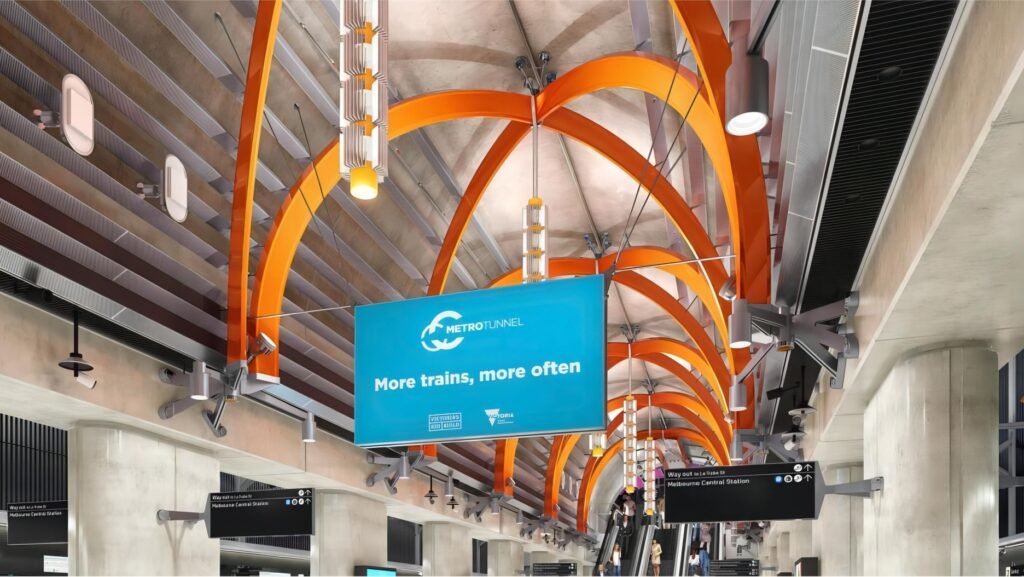
How Thickness Gauge Affects Wind Load Resistance
When specifying Aluminum Cladding, Thickness gauge directly shapes Wind load resistance and long-term Structural integrity. Thicker aluminum panels simply flex less. That matters a lot when gusts start howling around a 40-story tower.
- Core performance factors1.1 Panel behavior under pressure
- Reduced Panel deformation during peak wind events
- Improved stiffness across wide spans
- Better retention of façade alignment
- Stronger tie-in with sub-framing
- More stable Building envelope performance
- Lower risk of fastener fatigue
- Design outcomes in high-rise projects2.1 Engineering review
- Enhanced structural calculations for wind load resistance
- Smoother approval during compliance checks
- Fewer rattling noises
- Less visible waviness on tall façades
With Aluminum Cladding, going too thin might save upfront cost, but thicker aluminum cladding often pays back in durability. wallnova engineers typically assess wind maps, tower height, and span width before locking in the right gauge for each project.
Corrosion Resistance: Coating Type and Alloy Composition
Storms are one thing. Salt, humidity, and pollution are another story. The real test for Aluminum Cladding is long-term Corrosion resistance under constant Environmental exposure.
Key influences include:
- Coating type: PVDF, powder coating, anodized layers
- Alloy composition: grade selection within each Aluminum alloy
- Surface treatment quality and curing control
1) Coating performance
A premium coating seals the surface, protecting aluminum panels from chalking and fading. In coastal builds, high-grade PVDF systems boost Durability and color retention.
2) Alloy selection
Different Aluminum alloy blends handle salt spray and industrial air differently. Magnesium content, for example, affects strength and corrosion behavior.
3) Surface treatment standards
Proper pretreatment ensures the coating bonds tightly. Poor prep? Expect early blistering.
According to the Aluminum Association’s 2025 market outlook, demand for corrosion-resistant aluminum building products continues to rise in coastal urban zones, driven by longer service-life expectations and stricter façade warranties.
For clients choosing wallnova, material pairing is never random. Aluminum Cladding systems are matched to climate data so performance is steady, not guesswork.
Installation Details for High-Wind and Freeze-Thaw Zones
Even the best Aluminum Cladding fails if Installation details are sloppy. In High-wind zones and Freeze-thaw zones, small gaps turn into big headaches.
- Anchoring and fastening systems1.1 Substructure alignment
- Precision rail leveling
- Load-rated brackets
- Stainless or coated fasteners
- Correct torque control
- Movement and flexibility2.1 Expansion joints
- Allow thermal expansion of aluminum cladding
- Reduce stress from Thermal cycling
- Prevent edge cracking
- Support long-term Structural integrity
- Moisture control strategy3.1 Drainage paths
- Clear cavity airflow
- Designed weep outlets
- Vapor barriers placed correctly
- Gasket materials rated for deep freeze
In harsh climates, Aluminum Cladding isn’t just about material strength. It’s about the full system—panel, fastener, joint, and airflow—all working together. That’s where careful detailing, like the approach used by wallnova, keeps façades steady through wind blasts and icy winters alike.
Repairing Damaged Aluminum Panels Quickly
When a façade takes a hit, speed matters. Restoring Aluminum Cladding isn’t just about swapping metal sheets; it’s about matching finish, strength, and code compliance. From fresh aluminum panels to full aluminium cladding systems, tight coordination keeps the building sharp, safe, and back in action without drama.
Rapid Fabrication Methods for Replacement Panels
A fast turnaround on Aluminum Cladding starts inside the plant:
- Aluminum fabrication
- a. Precision Cutting techniques ensure exact sizing
- b. Controlled Bending processes maintain structural integrity
- c. Verified Material sourcing matches alloy grades
- Panel manufacturing
- a. CNC routing for custom aluminum panels
- b. Surface prep before Surface finishing
- i. Powder coating
- ii. Anodizing for exterior aluminum siding
- Quality check
- a. Dimensional inspection
- b. Finish comparison with existing façade
With tight specs and smart workflows, replacement Aluminum Cladding blends right in—no patchwork look.
On-Site Assembly Techniques and Lead Times
Quick site recovery feels almost like clockwork:
- Clear Installation procedures
- Reliable Fastening systems
- Clean Sealing methods
Then the rhythm kicks in:
- Crew review of Labor requirements
- Delivery aligned with Project timelines
- Fine-tuned Workflow optimization
As JLL noted in its 2025 global construction outlook,
“Compressed project schedules are now the norm, pushing contractors to prioritize prefabrication and precise logistics.”
That’s exactly how wallnova keeps Aluminum Cladding swaps on track—minimal downtime, no chaos.
Compliance Checks: Building Codes and Product Warranties
For exterior Aluminum Cladding, paperwork matters as much as panels.
- Building regulations
- a. Fire rating review
- b. Wind-load confirmation under Performance standards
- Documentation trail
- a. Material certification
- b. Inspection protocols
- c. Documentation review
- Warranty alignment
- a. Warranty validation against original system
- b. Compatibility with existing aluminium façade components
Done right, the repaired Aluminum Cladding performs like day one—and keeps coverage intact. wallnova supports this process with traceable specs and clear compliance records, so nothing slips through the cracks.
FAQs about Aluminum Cladding
What makes rainscreen Aluminum Cladding systems more effective than barrier walls?
Aluminum Cladding in a rainscreen system controls water instead of trying to block it entirely. The difference lies in layered performance:
1) Separated control layers
- Exterior panels manage impact rain.
- Ventilated cavity reduces water penetration.
- Interior air barrier protects insulation.
2) Engineered components working together
- Mullion profiles and transom sections create drainage paths.
- Pressure plates and gasket materials maintain airtightness.
- Anchoring systems secure panels against wind load resistance demands.
3) Performance gains
- Improved thermal performance and acoustic insulation.
- Compliance with building codes and environmental certifications through verified testing reports.
The result: a façade that breathes under pressure yet stands firm in storms.
How does alloy composition and thickness gauge affect durability?
Durability begins at the material core and extends to the surface.
- Alloy composition→ Determines corrosion resistance in coastal or industrial air.→ Supports long-term structural stability after structural analysis.
- Thickness gauge→ Increases rigidity under wind load resistance requirements.→ Reduces deformation across large panel dimensions.
- Surface finish & coating type→ Protect against UV fading and water penetration.→ Support fire rating and environmental certifications when specified correctly.
Behind each panel is careful selection aligned with CAD drawings, industry standards, and project exposure conditions.
What are the essential layers in a high-rise Aluminum Cladding system?
A high-rise façade performs like a coordinated system, not a single sheet of metal.
Short overview: each layer supports strength, insulation, and controlled drainage.
Core sequence:
- Sheathing substrate defined by CAD drawings and structural analysis.
- Insulation board for thermal performance and acoustic insulation.
- Ventilated cavity aligned with mullion profiles to balance pressure.
- Pressure plates with gasket materials ensuring airtightness.
- Exterior aluminum panels selected by alloy composition, thickness gauge, and coating type.
Each layer contributes to fire rating, water penetration control, and long-term product warranties.
How is quality ensured before Aluminum Cladding is shipped?
Quality control is a disciplined chain from factory floor to jobsite.
Manufacturing stage
- Extrusion capabilities monitored for dimensional accuracy.
- Fabrication methods checked against panel dimensions and anchoring systems.
- Finishing application tested for coating adhesion and surface finish consistency.
Verification stage
- Inspection reports aligned with building codes and industry standards.
- Performance validation referencing testing reports for wind load resistance and water penetration.
Logistics stage
- Packaging standards protect edges and coating type.
- Planned shipping methods meet delivery schedule targets.
- Clear storage requirements reduce onsite damage and shorten lead times.
Care at every step ensures the system integration on site matches the promise on paper.
 English
  Français
  Bahasa Indonesia
  Deutsch
  Italiano
  Español
  العربية
  Español de México
  Nederlands
  香港中文
香港中文