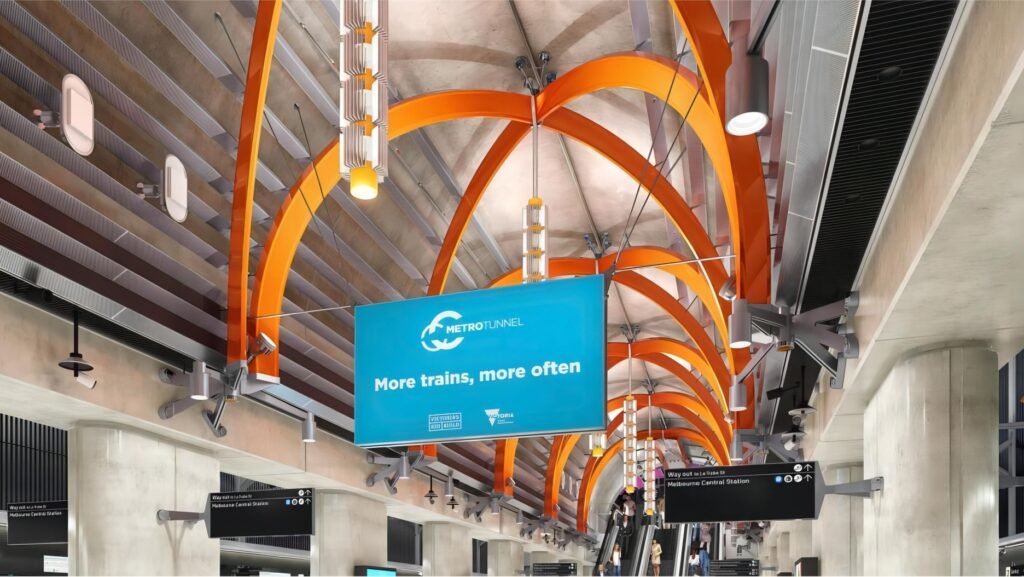
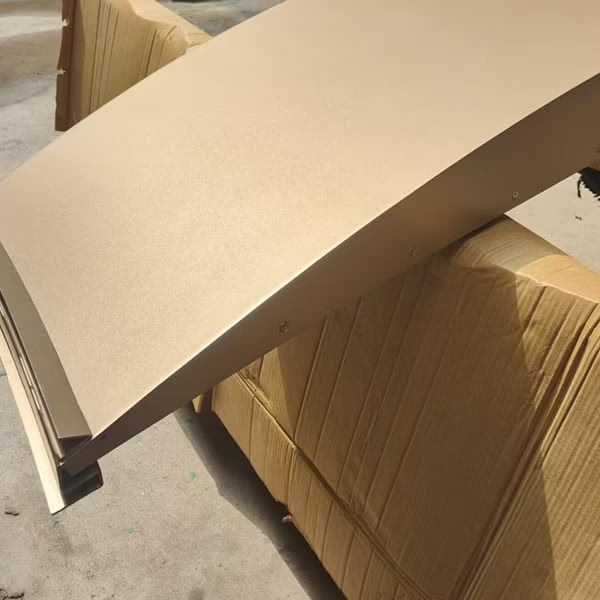
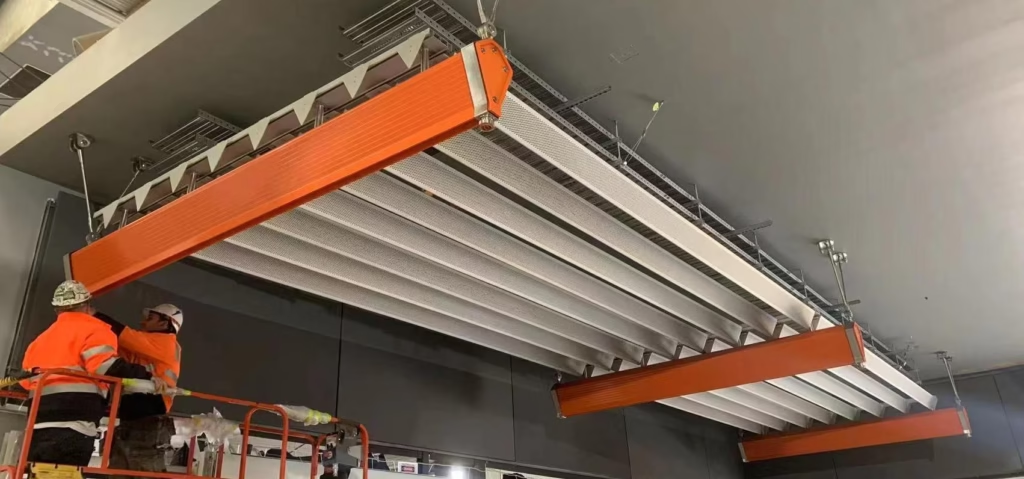
Advantages and Applications of Aluminum Panel Curtain Walls

Table of Contents

1. Introduction to Aluminum Panel Curtain Walls

An aluminum panel curtain wall is a versatile exterior cladding system combining aluminum alloy frames with diverse infill materials such as aluminum plates, glass, or composite panels. This engineered facade not only protects buildings but also enhances their aesthetic appeal. Key components include:

  • Panels: Typically 1.5mm+ thick aluminum or composite panels (e.g., 0.5mm aluminum layers sandwiching a 3-4mm polyethylene core).
  • Coatings: Fluorocarbon paint ensures 25-year color retention and corrosion resistance.
  • Structure: Stiffeners and corner codes reinforce panels, enabling complex shapes like arcs or spheres.
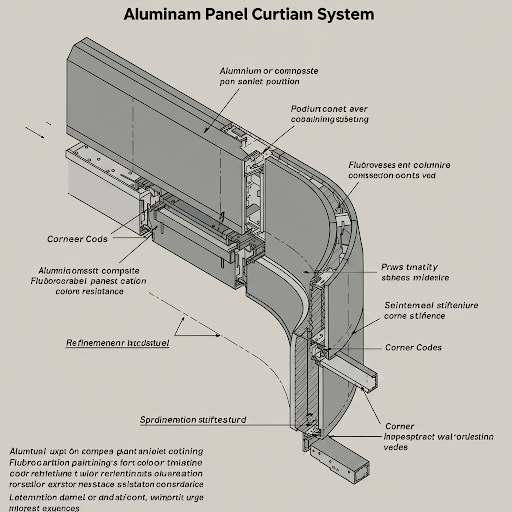
Aluminum panel curtain wall components diagram

2. Evolution and Market Dynamics

2.1 Historical Development
  • 1970s-1990s: China’s aluminum curtain wall industry emerged, transitioning from glass to metal panels due to their design flexibility.
  • 2000s-Present: Advances in composite materials and coatings (e.g., PVDF) expanded applications, with aluminum now dominating global markets.
2.2 Growth Drivers
  • Urbanization: Rapid city development fuels demand for modern, durable facades.
  • Green Policies: Standards like GB/T 34327-2017 promote eco-friendly, recyclable materials.
  • Innovation: Automated production lines and smart coatings enhance efficiency and performance.
Timeline of China’s aluminum curtain wall industry development

3. Advantages of Aluminum Panel Curtain Walls

3.1 Unmatched Durability and Corrosion Resistance

Aluminum panel curtain walls excel in harsh environments, thanks to aluminum’s natural ability to form a protective oxide layer. This makes them ideal for coastal or high-humidity areas where corrosion is a major concern. When treated with anodizing or fluorocarbon (PVDF) coatings, these panels resist fading, chalking, and corrosion for over 25 years. Rigorous testing shows minimal degradation even after prolonged exposure to UV rays, acid rain, and salt spray, ensuring long-term aesthetic appeal and structural integrity.
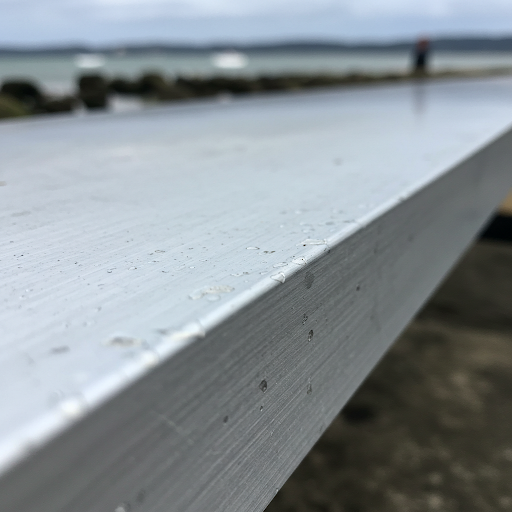
Durable aluminum panel curtain wall with corrosion resistance
3.2 Structural Strength Meets Lightweight Efficiency

Despite their lightweight composition, aluminum panels offer impressive strength-to-weight ratios. With tensile strengths up to 280 N/mm², they withstand extreme wind loads and seismic forces, making them perfect for high-rise buildings and storm-prone regions. Their lightweight nature reduces overall building load, simplifying structural design and lowering foundation costs. This advantage is particularly critical in earthquake zones or areas with soft soil conditions.

3.3 Aesthetic Versatility and Design Flexibility

Architects favor aluminum panel curtain walls for their design freedom. Available in solid colors, metallic finishes, or wood/stone textures, these panels adapt to any architectural style—from minimalist corporate towers to avant-garde cultural venues. They can be curved, perforated, or combined with glass/metal elements to create dynamic facades. For instance, Shanghai’s Tangchen Yipin residential complex uses gold-anodized panels for a luxurious, modern look, while Dubai’s Princess Tower integrates them into a unitized glass-aluminum system for seamless elegance.

Versatile aluminum panels with metallic and stone textures
3.4 Thermal Performance and Energy Efficiency

When paired with thermal break technology or insulated cores, aluminum panels significantly enhance energy efficiency. The thermal breaks disrupt heat transfer, reducing indoor temperature fluctuations and HVAC energy consumption by up to 30%. In cold climates, this means lower heating costs; in hot regions, reduced cooling demands. Many systems now incorporate recycled materials or photovoltaic panels, aligning with global sustainability goals and green building certifications like LEED.

Aluminum panel with thermal break for energy efficiency
3.5 Sustainability and Recyclability

Aluminum is a 100% recyclable material, and curtain wall panels are often made from post-consumer scrap. This closed-loop production minimizes environmental impact, reducing carbon emissions by up to 95% compared to virgin aluminum extraction. With a lifespan exceeding 30 years and minimal maintenance needs, these panels contribute to lower lifecycle costs and reduced construction waste. Their adaptability in renovations further extends their eco-friendly appeal, as existing structures can be updated without demolition.

4. Applications Across Industries

Aluminum panel curtain walls on commercial building for modern aesthetics and durability
4.1 Commercial Buildings
  • Shopping malls, offices, and hotels use aluminum panels for their modern aesthetics and durability.
4.2 Public Spaces
  • Airports, hospitals, and museums prioritize their hygiene, acoustic, and maintenance benefits.
4.3 Residential Projects
  • High-end apartments and villas adopt them for sleek designs and thermal efficiency.

5. Advantages and Applications of Aluminum Panel Curtain Walls

I. High-Rise Buildings & Commercial Complexes: Structural Efficiency Meets Aesthetic Appeal

In super-tall structures, aluminum panels excel in wind resistance and lightweight properties.

  • Shanghai Tower Case Study: The 632-meter skyscraper employs custom aluminum curtain walls optimized via finite element analysis, withstanding 12th-grade typhoon wind loads while reducing structural loads by 18% compared to stone cladding.
  • Energy-Efficient Hybrids: Beijing’s CBD integrates glass-aluminum facades, achieving 40% energy savings through adjustable shading coefficients and breathable curtain wall systems.
  • Lifecycle Economics: Though initial investments are higher, lifecycle costs are 35% lower than traditional materials, with residual values up to 80% due to recyclability.
Shanghai Tower with aluminum curtain walls for wind resistance and structural efficiency
II. Residential Buildings: Elevating Aesthetics with Low Maintenance

Premium residential projects leverage aluminum’s durability and design flexibility.

  • Hangzhou Luxury Developments: 3mm fluorocarbon-coated panels guarantee 25-year color retention, enhancing property values by 18% in upscale districts.
  • Self-Cleaning Technology: Nanocoated panels in Ningbo reduce cleaning costs by 60,000 CNY annually, with 80% less surface contamination than conventional coatings.
  • Customization Trends: Shenzhen villa renovations using wood-grain and stone-textured panels saw a 12% premium in resale prices due to enhanced curb appeal.
III. Public Buildings: Functional Durability for High-Traffic Spaces

Public infrastructure demands resilience and aesthetic adaptability.

  • Guangzhou Opera House: Double-curved aluminum panels, fabricated with 0.5mm precision via BIM, shortened construction by 40% while creating a cultural landmark.
  • Airport Innovations: Shenzhen Airport’s Terminal 4 uses honeycomb-backed panels, achieving 60dB noise reduction and 45% improvement in speech intelligibility.
  • Fire Safety Compliance: Convention centers adopt A2-rated fireproof panels, surviving 2-hour fire tests to ensure safe evacuation.
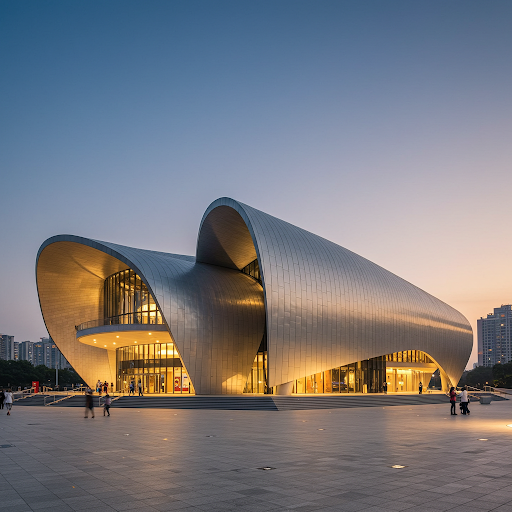
IV. Cultural & Educational Buildings: Green Design Meets Heritage

Institutions prioritize sustainability and occupant comfort.

  • Suzhou Second Library: Perforated aluminum panels (35% porosity) boost natural lighting by 30% and cut HVAC energy use by 18%, earning LEED Gold certification.
  • Educational Spaces: Low-glare matte panels in Shanghai international schools reduce classroom glare from 82 to 45, complying with EN 12464 lighting standards.
  • Cultural Symbolism: Jingdezhen Ceramic Museum integrates laser-engraved blue-and-white patterns into lightweight panels, merging tradition with modern engineering.
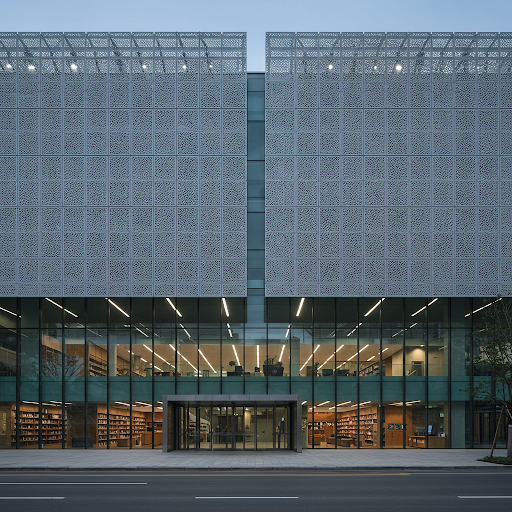
Suzhou Second Library with perforated aluminum panels for energy efficiency and natural lighting

Laser-Cut Aluminum Decorative Facade Screens: Creative & Functional

Some buildings wear their identity like a silk suit—sleek, expressive, and full of attitude. That’s the charm of laser-cut aluminum decorative facade screen panels. They don’t just cover walls—they flirt with sunlight, play with shadow, and whisper messages through patterns only artists could dream up. A project manager from Wallnova said it best in an April 2024 briefing: “Design isn’t just what you see—it’s how a structure breathes. These panels let buildings exhale.” And that quote? It stuck like duct tape in a hurricane. You’ve got deadlines breathing down your neck and clients wanting magic on a budget. These aren’t just pretty sheets of metal; they solve real headaches—heat control, airflow, privacy—all while looking sharp enough for an architecture magazine cover. So if you’re planning to turn concrete into conversation—and still meet code—you’re exactly where you should be. Quick Answers for Elevating Design with Laser-Cut Aluminum Decorative Facade Screen Panels Material Smarts: Choose aluminum alloy 5052 or marine grade sheets for strength, corrosion resistance, and ease of handling.Finish First: PVDF coatings and powder-coated extrusions offer both weather durability and sleek aesthetics.Design Brilliance: Intricate laser cuts, custom artistry, and geometric perforations turn buildings into visual statements.Function Meets Form: Ventilation-optimized panel layouts enhance airflow without sacrificing style or privacy.Fit to Perfection: Custom dimensions and heavy gauge specs ensure long-term structural integrity on any scale of installation. Five Reasons To Choose Aluminum For Facade Screens Aluminum’s no lightweight when it comes to performance—it’s a smart pick for modern facade screens. Here’s why it keeps topping the list. Aluminum Alloy 5052: Optimal Strength and Durability Lightweight Marine Grade Aluminum Sheets for Easy Handling From delivery truck to building frame, these aluminum sheets make the process smoother than you’d expect. Advantages of Powder-Coated Aluminum Extrusions in Aesthetics Grouped Benefits: With powder-coated finishes on your side, you don’t just build walls—you make statements. Weather Resistance: The Role of PVDF Coatings According to a recent report by BCC Research published in early 2024, demand for PVDF-coated architectural materials is up by nearly 18%, driven by rising climate unpredictability worldwide. PVDF coatings bring serious muscle when protecting your facade: In short? PVDF makes sure your investment doesn’t just survive—it shines through storms and sunlight alike. Creative Designs Using Laser-Cut Aluminum Screens Laser-cut aluminum decorative facade screen panels are where art meets engineering. These designs aren’t just stylish—they’re smart, functional, and full of character. Intricate Laser Cut Patterns: Endless Design Possibilities Swirling florals, abstract fractals, or classic arabesques—laser cutting enables it all with incredible precision. From minimalist grids to ornate motifs, the design spectrum is wide open thanks to advanced digital fabrication techniques. And here’s the kicker: these intricate patterns don’t just look cool—they also allow light play and shadow casting that changes throughout the day, adding dynamic movement to a static surface. Custom Artistic Screen Designs for Unique Aesthetics The beauty of custom artistic screens lies in their ability to reflect personal taste or brand identity: – Want something bold? Go with high-contrast shapes and negative space.– Prefer subtlety? Opt for finer detailing and muted tones in your decorative elements. One recent report by ArchiData Insights noted that “over 63% of architects now prioritize facade personalization as a key design driver,” showing how much weight is placed on custom designs today. With laser-cut aluminum decorative facade screen panels, you’re not just choosing a material—you’re curating an experience. Geometric Perforation Design Options for Modern Finesse Grouped options include: ■ Chevron arrays – angular precision meets modern chic.■ Hexagonal tessellations – sharp yet fluid geometry ideal for contemporary buildings.■ Diamond mesh – clean lines with strong visual rhythm. Every pattern brings its own flavor of contemporary style, helping architects blend utility with flair through calculated geometric perforation choices that still allow airflow or privacy where needed. Ventilation Optimized Panel Designs for Functionality Step-by-step flow: Step 1: Identify airflow needs based on building orientation and climate zone.Step 2: Choose panel layouts with integrated vents or micro-perforations designed to optimize cross-breeze without compromising aesthetics.Step 3: Test air exchange performance using CFD modeling before final fabrication. This kind of smart design ensures your laser-cut aluminum decorative facade screen panels work hard behind the scenes while still looking sharp out front. Architectural Facade Design Integration: Blending Art and Structure These facades aren’t slapped on as afterthoughts—they’re woven into the building’s DNA from day one: – They act as both skin and skeleton—balancing form with function seamlessly.– Integrated lighting can turn them into glowing canvases at night. The trick lies in thoughtful placement—aligning cutouts with windows or structural framing so nothing feels accidental. When done right, these screens become more than decoration; they become architectural signatures that express both artistry and engineering discipline through every cut line and contour of the building envelope. Best Practices For Installing Aluminum Decorative Screen Panels Nail your install game with these pro tips for getting aluminum screens up right the first time. Custom Dimensions Facade Elements: Measuring for Perfection Don’t forget edge clearance—leave at least a quarter inch around each panel. When you’re working with custom dimensions, even a few millimeters off can ruin alignment. Wallnova recommends pre-fitting panels before final mounting, especially when dealing with intricate measuring tolerances for modern buildings. Short tip bursts:Match panel seams to structural joints.Account for substrate irregularities.Use mock-ups to test fit before production. Maximum Width Aluminum Sheets: Ensuring Adequate Support Installing wide aluminum sheets? Then you better bring the backup—literally. Grouped essentials: Here’s what support spacing looks like based on common widths: Sheet Width (mm) Recommended Support Spacing (mm) Load Type Fastener Type ≤1200

Read More »

Custom Curved Aluminum Panels for Building Facade|Wallnova manufacture

Curved aluminum panels are more than just a design feature — they are a statement of innovation and craftsmanship. These panels allow architects to create flowing lines, dynamic shapes, and unique surface effects that flat panels simply can’t achieve.Whether you’re designing a commercial complex, cultural center, or modern high-rise, Wallnova’s curved aluminum facade panels ensure

Read More »

Why Choose PVDF Coated Aluminum Panels for Exterior Walls

You ever stand outside a high-rise and think, “Dang, how does that thing still look brand new after battering wind, rain, and sun for years?” Well, odds are it’s rocking PVDF coated aluminum panels for exterior wall cladding—the unsung hero of modern buildings. These bad boys aren’t just about sleek looks; they’re built to take

Read More »

Custom Aluminum Panels Curtain Wall: High-Quality Aluminum Choices

Custom Aluminum Panels Curtain Wall systems aren’t just shiny metal skins slapped on buildings—they’re the armor, the identity, and let’s be honest—the first thing people judge when they roll up to your project site. If you’re wrangling specs for a high-rise or mapping out a sleek civic center, you know this isn’t a game of

Read More »

Join Our Newsletter

Ready to Start Your Project? Contact Us for Expert Solutions