
Because deadlines sweat too—Aluminum Cladding keeps façades flawless, timelines tight, and architects smiling like it’s steel-cut magic.
Aluminum Cladding isn’t just a building material—it’s the quiet hero behind those slick façades that make downtown skylines feel sharp and intentional. When your project’s on the line, you don’t want panels that warp, fade, or stall the schedule. You want crisp lines, lighter loads, and finishes that don’t flinch at rain or red tape.
“Design means nothing if it can’t be built right,” says a Wallnova senior engineer in a 2025 project brief.
Big builds demand muscle and finesse. The right panel system keeps inspectors happy, timelines tight, and architects grinning like they just nailed the perfect playlist.
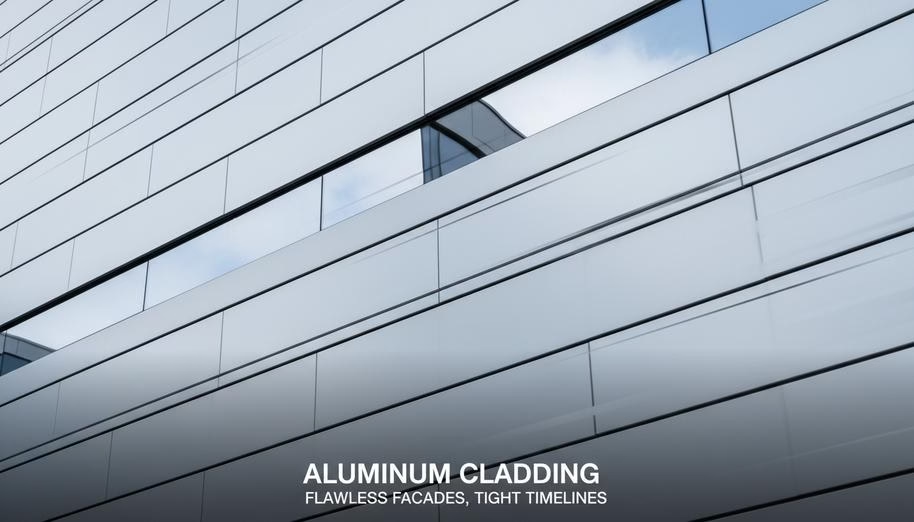
Why Aluminum Cladding Transforms Modern Architectural Simplicity
Clean lines, low weight, and sharp finishes are why Aluminum Cladding keeps showing up in modern builds. From homes to high-rises, aluminum and cladding systems shape smarter exteriors. This mix of strength and style turns plain walls into confident, efficient facades that simply work.
Lightweight Performance: Corrosion Resistance Meets Thermal Insulation
Aluminum Cladding plays a key role in today’s Facade Systems and the wider Building Envelope. Its Lightweight nature cuts structural stress while boosting design freedom.
- Core performance benefits:
- Reduced dead load on primary structure
- Easier handling during installation
- Lower transport costs
- Structural efficiency
- Energy savings
- Long-term reliability
At a system level, performance connects in layers:
- Material Level
- Aluminum base ensures natural Corrosion Resistance
- Protective coatings extend service life
- Assembly Level
- Integrated Thermal Insulation behind panels
- Ventilated cavities improving airflow
- Building Level
- Enhanced Building Envelope efficiency
- Stable indoor temperature control
This is where Aluminum Cladding feels practical, not flashy. It keeps moisture out, reflects heat, and supports code compliance without adding bulk. Brands like Wallnova fine-tune panel weight and insulation pairing, making aluminum facade solutions feel straightforward and dependable.
Sleek Panel Dimensions and Surface Treatments (Anodizing, PVDF Coating)
Modern minimalism thrives on precision. Panel Dimensions in Aluminum Panels are customized for grid alignment, shadow gaps, and tight joints that create Seamless Facades.
Key design elements include:
- Tailored thickness for wind load
- Large-format panels for bold geometry
- Slim profiles for refined edges
Surface quality matters just as much. Surface Treatments such as Anodizing bring metallic depth, while PVDF Coating delivers color stability and a durable Aesthetic Finish.
• Consistent tone
• Smooth texture
• Easy maintenance
In short bursts: clean lines. Crisp corners. No visual noise.
With Aluminum Cladding, architects balance proportion and surface in one move. The result is metal cladding that looks calm but performs hard.
Sustainable Durability: Weather Resistance, Fire Rating, and Acoustic Performance
Long-term value sits at the heart of Aluminum Systems used in Building Materials today. Aluminum Cladding supports Sustainable goals through recyclability and extended Long-term Performance.
Performance layers connect like this:
- Environmental Protection
- High Weather Resistance against UV, rain, and wind
- Stable finish retention over time
- Safety Assurance
- Certified Fire Rating options
- Code-aligned assembly detailing
- Comfort Enhancement
- Improved Acoustic Performance in urban zones
- Reduced vibration transfer
Add in natural Durability, and aluminum facade assemblies stay solid for decades. Aluminum Cladding does not just look sharp on day one; it holds up. Wallnova integrates tested aluminum panel systems that meet modern safety and sustainability standards while keeping the design crisp and low-key.
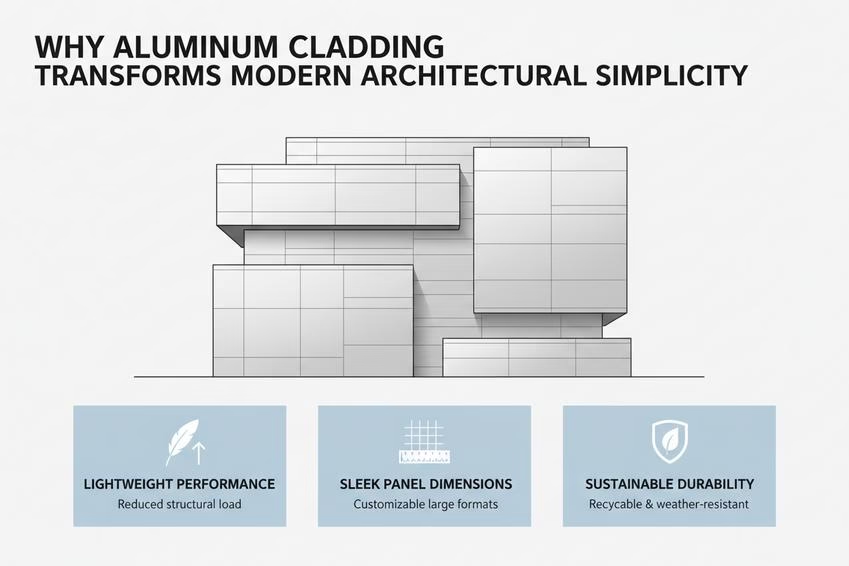
4 Reasons Architects Choose Aluminum Panel Systems
Aluminum Cladding has become a go-to choice in modern building design. From high-rises to civic spaces, architects lean on aluminum panels and aluminum facade systems for performance, looks, and peace of mind.
Superior Corrosion Resistance and Long-Term Durability
When specifying Aluminum Cladding, durability is rarely a gamble. It’s engineered for serious Environmental exposure and long-term Weathering.
- Core material
- Aluminum alloy composition strengthens Material integrity
- Protective coatings reduce oxidation
- Performance in climate zones
- Coastal salt air
- Industrial pollution
- Heavy rainfall regions
- Lifecycle value
- Extended Longevity
- Near Maintenance-free surfaces
Architects often compare aluminum cladding panels with other façade materials:
- Steel may corrode without heavy treatment.
- Timber demands routine sealing.
- Aluminum panels maintain finish stability for decades.
“Demand for durable, low-maintenance facade materials continues to rise, especially in coastal and high-humidity regions,” notes the 2025 Global Facade Materials Outlook by MarketsandMarkets.
In plain terms, Aluminum Cladding just holds up. Less patching. Fewer callbacks. More confidence in the building envelope.
Design Versatility in Panel Shape, Finish, and Color Options
Architectural freedom is a big deal. Aluminum Cladding supports bold curves, sharp folds, and subtle textures.
- Fabrication flexibility
- Custom fabrication for unique Panel profiles
- Variable thickness for structural balance
- Surface expression
- Advanced Surface treatments
- Wide Color palettes
- Distinct Textural finishes
- Visual impact
- Strong Architectural aesthetics
- Seamless integration with glass and steel
Aluminium cladding can be perforated, anodized, powder-coated, or brushed. One project might call for matte charcoal; another wants a champagne metallic glow. Aluminum panels make both happen without drama.
Streamlined Installation with Rainscreen System and Fixing Methods
Speed on site matters. Aluminum Cladding systems are often designed around the Rainscreen principle.
- Building envelope strategy
- Ventilated cavity
- Supports a Ventilated facade
- Enhances moisture drainage
- Thermal layer integration
- Ventilated cavity
- Structural setup
- Engineered Sub-structure
- Adjustable brackets
- Attachment logic
- Tested Fastening systems
- Improved Assembly efficiency
Here’s how it typically flows:
- Install subframe aligned to structural grid.
- Position insulation within the cavity.
- Mount aluminum facade panels using defined fixing points.
That rhythm reduces on-site guesswork and keeps the Building envelope dry and breathable.
Reliable Supplier Capabilities: Certification Standards and Lead Time
Behind every smooth project is a dependable supply chain.
- Production fundamentals
- Controlled Manufacturing processes
- Documented Quality assurance
- Compliance with Industry standards
- Capacity and planning
- Scalable Production capacity
- Predictable Delivery schedules
- Ongoing partnership
- Clear warranty terms
- Accessible Technical support
Architects reviewing Aluminum Cladding suppliers usually check certification files, mock-up samples, and factory audits. Strong documentation shortens approval cycles. Steady lead times keep contractors calm.
In real projects, that reliability can matter just as much as the aluminum cladding panels themselves.
How Does Aluminum Cladding Achieve Seamless Facades?
Clean lines don’t just happen by luck. Aluminum Cladding works because every detail—down to the millimeter—is planned, tested, and installed with care. From aluminum panels to full cladding systems, the magic sits in structure, fabrication, and smart logistics.
Precision Joint Details and Subframe Requirements
A flawless Aluminum Cladding facade starts behind the scenes, where joint design and subframe structure quietly do the heavy lifting.
- Core coordination
- Panel alignment
- Tight installation tolerances keep gaps consistent.
- Micro-adjustment brackets fine-tune positioning.
- Thermal allowance
- Sliding anchors absorb expansion.
- Calculated spacing prevents surface stress.
- Panel alignment
- Performance control
- Weatherproofing
- Gaskets seal vertical joints.
- Drainage paths redirect water outward.
- Structural integrity
- Load transfer points connect panels to framing.
- Wind resistance is verified during engineering review.
- Weatherproofing
With aluminum cladding systems, even slight misalignment shows. That’s why teams like Wallnova focus on sub-millimeter calibration. The aluminum facade may look simple from the street, yet its support grid is anything but casual.
Advanced Fabrication Techniques and Customization Options
Great Aluminum Cladding feels almost sculpted. That’s where tech steps in.
- CNC machining ensures exact edge cuts.
- Precision bending and folding create crisp returns.
- Controlled coating lines manage surface finishes and tight color matching.
- Digital modeling defines custom shapes.
- Tool paths are tested before production.
- Optional perforations add airflow or lighting effects.
A 2025 global construction outlook by Deloitte notes that prefabricated facade components are gaining traction for accuracy and speed in urban projects.
“Prefabrication and precision manufacturing are reshaping facade delivery expectations in major cities worldwide.” — Deloitte 2025 Global Construction Outlook
From bold curves to razor-sharp corners, aluminum panels adapt fast. Aluminum siding and architectural aluminum cladding both benefit from factory consistency. Wallnova pushes this further with tailored geometry that keeps the finish sharp and the tone uniform across elevations.
Concealed Cassette System and Delivery Logistics
The smooth look of Aluminum Cladding often relies on a smart cassette system hidden from view.
- Fixing strategy
- Hidden fixings
- Rear-mounted brackets lock into rails.
- No visible screws interrupt the facade.
- Hidden fixings
- Production flow
- Prefabrication
- Panels assembled into cassettes off-site.
- Quality checks completed before shipment.
- On-site assembly
- Hook-on installation reduces scaffolding time.
- Alignment verified panel by panel.
- Prefabrication
- Protection chain
- Packaging
- Protective films guard surface coatings.
- Transportation and handling
- Edge guards prevent impact damage.
- Sequenced loading matches install order.
- Packaging
When aluminum cladding panels arrive ready to mount, crews move quicker and cleaner. That’s how seamless aluminum facade projects stay on schedule—and why Wallnova keeps logistics as tight as the joints themselves.
FAQs about Aluminum Cladding
Why do architects prefer Aluminum Cladding for modern buildings?
Architects choose Aluminum Cladding because it balances design freedom with technical discipline.
- Lightweight panel weight reduces structural load while maintaining strength.
- Strong corrosion resistance and weather resistance protect the facade for decades.
- Clean joint details support sharp architectural design lines.
It also aligns with sustainability goals: recyclable material, improved thermal insulation, and compliance with building codes—all without sacrificing panel color or panel shape flexibility.
What surface treatments are available for aluminum panels?
Surface finish defines both character and durability. Common options include:
1) Anodizing – metallic depth, enhanced corrosion resistance.
2) PVDF coating – superior weather resistance and color stability.
3) Powder coating – flexible panel color range with solid durability.
4) Mill finish or textured finish – industrial or tactile architectural effects.
Each coating application passes strict quality control to maintain consistent panel finish across large elevations.
How are panel thickness and dimensions determined?
Panel thickness and panel dimensions are shaped by technical specifications and project timeline demands.
Key factors:
- Structural load and wind calculations
- Subframe requirements and fixing methods
- Fire rating and acoustic performance targets
- Desired panel shape and façade rhythm
Fabrication techniques and customization options allow manufacturers to fine-tune every detail while respecting building codes and sustainability goals.
How does a rainscreen or cassette system improve performance?
A well-designed installation system transforms performance into protection.
➤ Rainscreen system
- Controls moisture through ventilation cavities
- Enhances thermal insulation
- Simplifies maintenance access
➤ Cassette system
- Conceals fixing methods for clean architectural design
- Improves alignment accuracy
- Speeds up installation under tight project timelines
Both systems rely on precise subframe requirements and disciplined joint details.
What should be evaluated when selecting a supplier?
Choosing a supplier is as critical as choosing the material. Look at measurable strengths:
| Aspect | What to Confirm |
|---|---|
| Production capacity | Ability to meet required lead time |
| Certification standards | Verified fire rating and compliance |
| Technical support | Clear guidance on panel thickness and installation systems |
| Delivery logistics | Secure transport for coated panels |
| Warranty terms | Long-term durability assurance |
Strong supplier capabilities protect durability, panel finish quality, and the success of the entire facade.
 English
  Français
  Bahasa Indonesia
  Deutsch
  Italiano
  Español
  العربية
  Español de México
  Nederlands
  香港中文
香港中文