
Picking the wrong Aluminum Curtain Wall coating is like choosing flip-flops for a snowstorm—get the shine, strength, and ROI your façade deserves.
An Aluminum Curtain Wall isn’t just a shiny skin on a building—it’s the raincoat, sunscreen, and long-term insurance policy all rolled into one. Pick the wrong coating, and five years down the line you’re staring at faded panels, chalking surfaces, and a maintenance budget that’s ballooning like a bad contractor joke. Fluorocarbon or powder coating? That choice can make or break your façade’s street cred—and your ROI.
In 2023, Grand View Research valued the global architectural coatings market at over $85 billion, driven largely by durability demands in commercial construction. Translation: performance isn’t a luxury add-on anymore. It’s the price of admission.
So here’s the real question—are you building for a glossy ribbon-cutting moment, or for 20 years of brutal sun, salty air, and zero-callback pride? Let’s get into the coating showdown that decides it.
Which Coating Is Best For Your Aluminum Curtain Wall?
An Aluminum Curtain Wall isn’t just glass and framing—it’s a full exterior system where coating choice quietly decides lifespan, safety, and upkeep costs. From aluminum curtain wall framing to full curtain wall facade panels, the finish on your aluminum facade works harder than most people think.
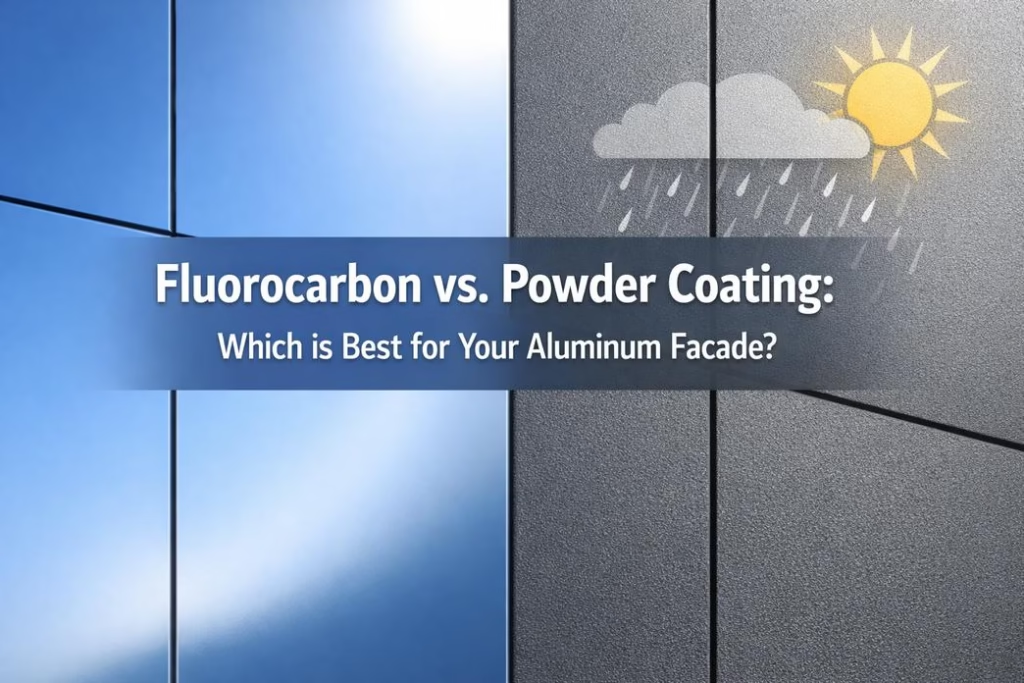
Comparing Coating Types: Fluorocarbon vs. Powder Coating
When selecting between fluorocarbon coating and powder coating, the decision often follows a layered logic tied to coating properties, compliance, and exposure.
- Material Compatibility1.1 Alloy Grade
- 6063-T5: common for aluminum curtain wall framing
- 6061-T6: higher strength, may require tighter pretreatment
- 2.5 mm panels: typical façade infill
- 3.0 mm+: high-wind zones
- Performance Benchmarks
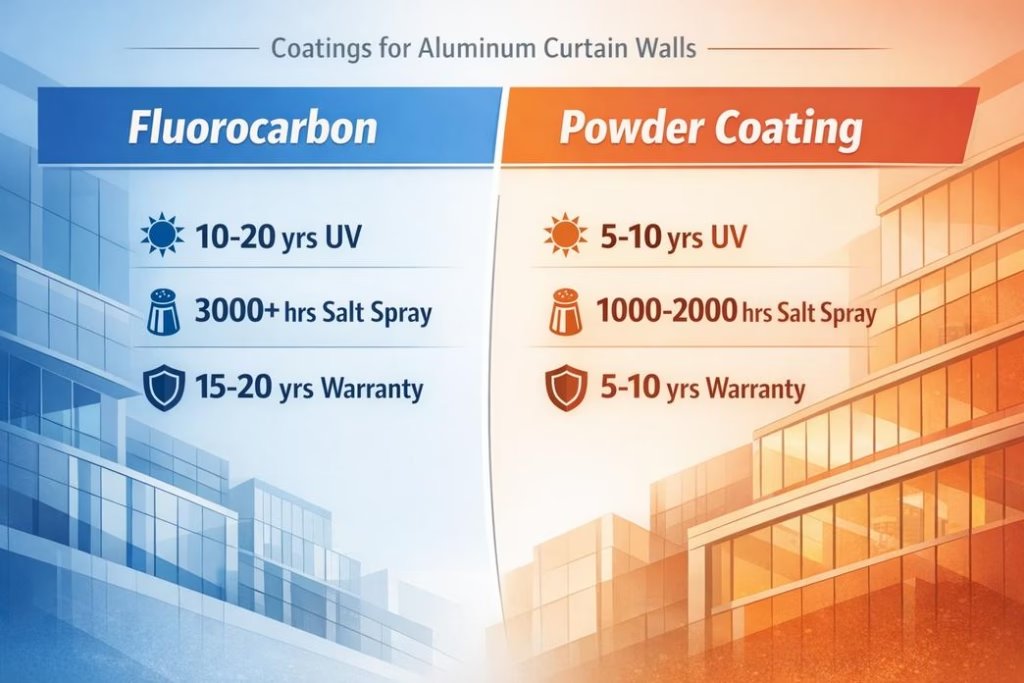
| Criteria | Fluorocarbon Coating | Powder Coating | Relevant ASTM |
|---|---|---|---|
| Film Thickness | 25–40 μm | 60–120 μm | ASTM D7091 |
| UV Resistance | 10–20 yrs gloss retention | 5–10 yrs | ASTM G154 |
| Salt Spray | 3,000+ hrs | 1,000–2,000 hrs | ASTM B117 |
| Typical Warranty | 15–20 yrs | 5–10 yrs | AAMA 2605 |
- Environmental Exposure3.1 Coastal curtain wall facade→ Fluorocarbon resists salt fog better.3.2 Inland urban projects→ Powder coating often meets budget and durability targets.
For high-rise Aluminum Curtain Wall systems facing strong UV and pollution, fluorocarbon coating tends to outperform in long-term coating comparison reviews.
How Surface Finish Affects the Durability of Your Aluminum Facade
The surface finish influences durability more than color ever will.
• Smooth finishes reduce dirt retention.
• Textured finishes increase abrasion resistance but trap contaminants.
• Edge sealing impacts corrosion resistance at cut zones.
On an aluminum facade:
1) Pretreatment quality controls adhesion.
2) Film uniformity improves weathering resistance.
3) Storage before installation affects early oxidation.
Short notes that matter:
- UV-heavy climates test UV stability fast.
- Sealant compatibility affects coating edges.
- Anchoring details influence long-term stress cracking.
A well-prepared Aluminum Curtain Wall panel with consistent surface finish can extend service life beyond initial warranty projections.
Choosing the Right Coating Based on Thermal Performance and Fire Rating
Coating selection also connects to thermal performance and fire rating in curtain wall assemblies.
- Heat Transfer Control1.1 Light-colored finishes→ Lower solar absorption1.2 Dark metallic finishes→ Higher surface temperature
- Fire Compliance
- Verify fire resistance classification with full assembly testing.
- Check alignment with local building codes.
- System Integration3.1 Match coating with gasket material.3.2 Confirm compatibility with insulation properties and subframe.
In a modern Aluminum Curtain Wall, coating selection isn’t cosmetic. It supports heat control, code compliance, and the overall stability of the aluminum curtain wall system.
The Benefits Of Powder Coating For Aluminum Facades
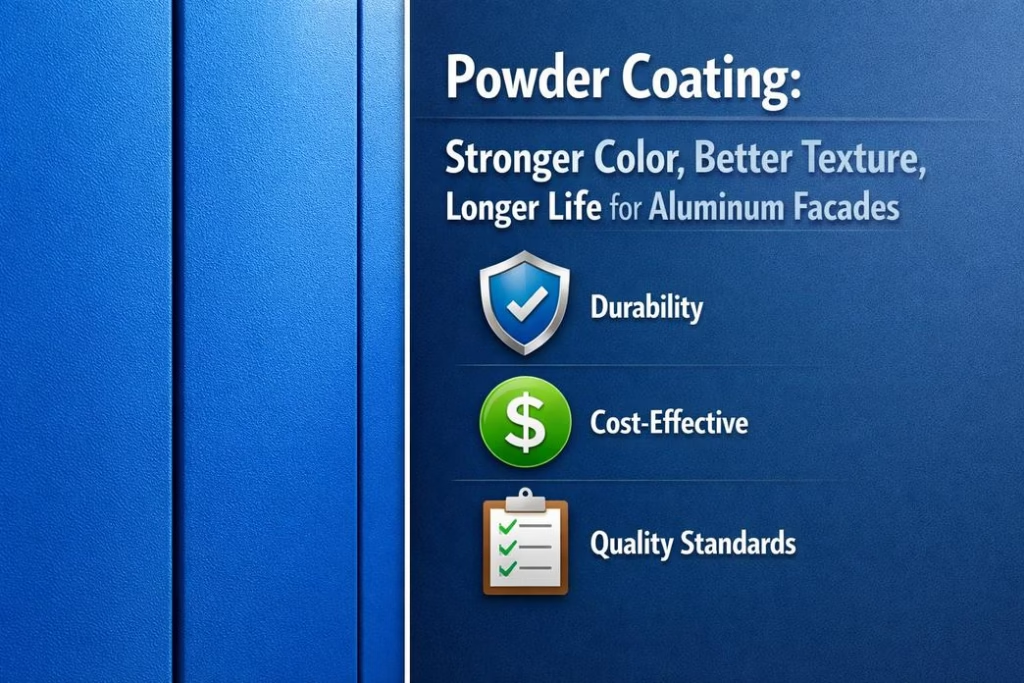
Aluminum Curtain Wall systems shape how a building feels from the street. When aluminum, curtain, and wall components come together in a façade, finish quality makes or breaks the look. Powder coating upgrades every Aluminum Curtain Wall with stronger color, better texture, and longer life. For aluminum curtain wall projects chasing style and durability, it’s honestly a game changer.
Enhancing Surface Finish: The Impact of Powder Coating on Visual Appeal
For any Aluminum Curtain Wall, the surface finish sets the tone.
1) Visual Layer Control
- Color Application
- Ensures tight color consistency across curtain wall panels
- Maintains tone across varying module sizes
- Texture Definition
- Fine matte, satin, or high gloss options
- Balanced texture on perforated aluminum screens
2) Aesthetic Performance
- Uniform coating thickness
- Clean edges around bends and corners
- No patchy reflection under daylight
3) Design Alignment
- Matches architectural drawings
- Supports custom Aluminum Curtain Wall framing
- Preserves the intended aesthetic across elevations
The result? An aluminum curtain wall that looks sharp up close and from across the street. Even large-scale Aluminum Curtain Wall grids stay visually tight, without shade shifts or uneven sheen.
Performance Testing: Why Powder Coating Is Ideal for Longevity
An Aluminum Curtain Wall faces sun, rain, dust, and city grime daily. Powder coating backs it up with real performance testing.
- Corrosion resistance under salt spray exposure
- Long-term UV stability for color retention
- Proven abrasion resistance during transport and installation
- Lab Validation
- Outdoor exposure checks
- Ongoing testing protocols aligned with ASTM
“Architectural powder coatings continue to show extended weathering performance beyond 10 years in exterior exposure studies,” notes the American Coatings Association in its 2025 industry update.
That means serious durability and true longevity for aluminum facade systems. For Aluminum Curtain Wall assemblies in coastal or high-UV regions, this kind of weathering resistance keeps maintenance headaches low and appearance steady.
Cost-Effective Solutions with Powder Coating
Budget matters. An Aluminum Curtain Wall has moving parts—fabrication, finishing, shipping, installation.
Within that flow:
1) Application Efficiency
- Electrostatic spray reduces overspray
- Optimized curing cycles improve efficiency
- Better resource utilization with reclaim systems
2) Fabrication Benefits
- Clean edges after cutting
- Stable coating within tolerance limits
- Less rework during assembly
3) Lifecycle Savings
- Lower repaint frequency
- Reduced long-term maintenance
- Streamlined application process for batch production
For aluminum curtain wall contractors, that’s straight-up cost-effective planning. Fewer callbacks. Less waste. Predictable timelines. Brands like Wallnova apply this mindset across every Aluminum Curtain Wall package, keeping façade budgets under control without cutting corners.
How Powder Coating Meets Quality Standards and ASTM Specifications
Compliance isn’t optional in an Aluminum Curtain Wall project.
At the core:
1) Quality standards Alignment
- Coating thickness checks
- Adhesion and impact validation
- Visual inspection benchmarks
2) ASTM specifications Integration
- Salt spray testing
- Accelerated UV exposure
- Film performance evaluationa) Documentation
- Batch traceability
- Inspection logsb) Certification
- ISO-linked certification processes
- Verified compliance records
3) Industry Positioning
- Meets façade industry benchmarks
- Supports building code approval
- Reinforces warranty terms
For every Aluminum Curtain Wall, this structured compliance protects developers, architects, and installers alike. From aluminum framing to curtain wall panels, powder coating locks the aluminum curtain wall system into standards that hold up year after year.
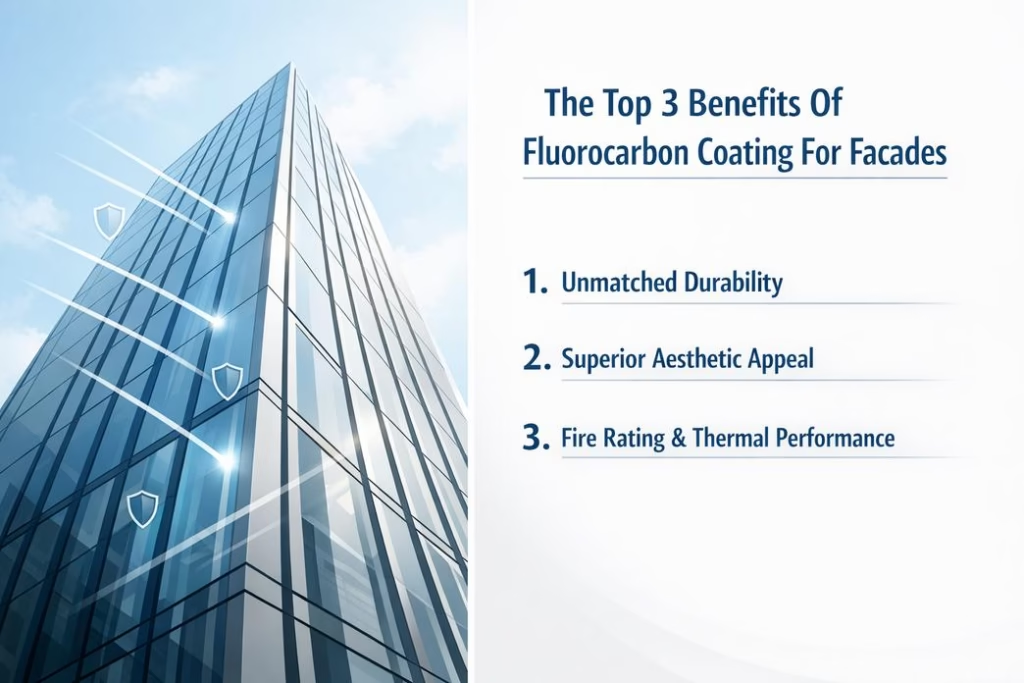
The Top 3 Benefits Of Fluorocarbon Coating For Facades
Fluorocarbon coating plays a quiet but powerful role in every Aluminum Curtain Wall system. From high-rise aluminum curtain wall towers to custom aluminum facade panels, the finish keeps performance tight and appearance sharp. For modern curtain wall design, it’s a game changer.
Unmatched Durability: Fluorocarbon Coating’s Resistance to Environmental Conditions
In an Aluminum Curtain Wall, long-term strength isn’t luck—it’s chemistry working overtime.
- Climate Defense in Aluminum Curtain Wall Systems
- Against sun exposure
- Shields from intense UV radiation
- Maintains strong fade resistance
- Limits surface chalking resistance issues
- Against moisture and salt
- Blocks corrosion in coastal aluminum curtain wall projects
- Handles salt spray without surface breakdown
- Against pollution
- Provides steady chemical resistance
- Resists urban grime and acid rain
- Surface Protection Under Daily Stress
- Reduces micro-surface abrasion
- Slows visible weathering on curtain wall panels
For any Aluminum Curtain Wall, especially tall curtain wall façade installations, durability means fewer callbacks and longer warranties. That’s why Wallnova specifies advanced fluorocarbon layers for demanding aluminum facade builds.
Superior Aesthetic Appeal: Achieving a Premium Surface Finish
Looks matter. A clean Aluminum Curtain Wall defines the whole skyline vibe.
Fluorocarbon coating supports lasting color retention and steady gloss retention, even across wide aluminum panels. On large-format Aluminum Curtain Wall projects, finish consistency is key.
- Smooth coating flow improves smoothness.
- Controlled application ensures uniformity across height and width.
- Pigment stability protects vibrancy.
- Precision curing enhances overall finish quality and long-term visual appeal.
From a sleek glass-aluminum curtain wall to a bold metal curtain wall façade, the coating keeps that fresh-off-install look. Wallnova works closely with architects to lock in the intended tone and sheen—no surprises years down the line.
Fluorocarbon Coating’s Compatibility with Fire Rating and Thermal Performance
Performance isn’t just skin-deep in an Aluminum Curtain Wall.
- Fire Safety Alignment
- Supports tested fire resistance standards
- Controls flame spread behavior on coated aluminum panels
- Limits smoke development during high-heat exposure
- Meets strict building codes for high-rise curtain wall systems
- Thermal Stability in Curtain Wall Design
- Maintains coating integrity under heat resistance demands
- Protects substrate through strong thermal stability
- Works alongside gaskets and insulation for better insulation properties
An Aluminum Curtain Wall must look sharp, stand strong, and stay safe. With fluorocarbon technology, aluminum curtain wall construction balances style and code compliance without cutting corners.
Cost Breakdown: Fluorocarbon Vs. Powder Coating For Large Projects
Large-scale Aluminum Curtain Wall projects live or die by coating decisions. From aluminum curtain wall panels to full curtain wall system façades, upfront and lifetime costs shift fast. Let’s break it down in plain terms.
Comparing Initial Installation Costs: Fluorocarbon vs. Powder Coating
For an Aluminum Curtain Wall, early budgeting revolves around layered cost drivers:
- Material side
- application method
- Spray-based fluorocarbon needs controlled booths.
- Electrostatic powder relies on stable voltage systems.
- surface preparation
- Multi-stage cleaning increases labor hours.
- material waste
- Overspray loss differs by coating type.
- Production side
- curing process
- High-temperature baking impacts energy bills.
- equipment needs
- Specialized lines raise capital expense.
- labor requirements
- Skilled operators push wage totals.
- Installation side
- Panel thickness in an Aluminum Curtain Wall affects lifting gear and anchoring time.
- Complex framing in an aluminum facade system adds coordination cost.
Wallnova often advises aligning coating choice with fabrication capacity to avoid hidden overruns.
Maintenance and Longevity: What You Need to Know About Long-Term Costs
Long-term value in an Aluminum Curtain Wall depends on layered performance factors:
- durability
- Resistance to cracking on high-rise curtain wall elevations.
- weather resistance
- Coastal exposure increases salt impact.
- UV stability
- Color retention matters on sun-facing aluminum curtain wall panels.
Then come operational realities:
- cleaning frequency affects labor cycles.
- scratch resistance reduces touch-up calls.
- recoating cycles differ widely.
- repairability influences downtime in active buildings.
A high-performing Aluminum Curtain Wall cuts lifecycle surprises and protects asset value.
How Custom Sizes and Panel Dimensions Impact Coating Choices
Custom Aluminum Curtain Wall modules change the math. Wider spans alter panel fabrication flow. Thicker sheets demand adjusted coating thickness control. Tight tolerances raise application complexity and increase material utilization pressure.
Big panels? Higher handling requirements. Odd geometries? Rising wastage rates. In short, size drives process rhythm across the entire curtain wall system.
Logistics and Delivery Considerations: Cost of Shipping and Handling for Both Coatings
For any Aluminum Curtain Wall project:
- Confirm packaging requirements based on finish sensitivity.
- Select transportation method aligned with shipping distance and freight volume.
- Plan careful loading procedures to prevent edge damage.
- Enforce strict unloading procedures onsite.
- Maintain dry storage conditions before installation.
Even a premium Aluminum Curtain Wall coating can fail if shipping is sloppy. Logistics isn’t glamorous, but it quietly shapes total project cost.
FAQs about Aluminum Curtain Wall
What should I evaluate when selecting a coating type for an Aluminum Curtain Wall?
Choosing the right Coating Type is a balance between climate pressure, design intent, and long-term cost.
- Fluorocarbon Coating
- Strong UV resistance under strict ASTM Standards
- Stable color retention on tall façades
- Higher upfront cost, longer Warranty Terms
- Powder Coating
- Smooth, consistent Surface Finish across varying Panel Width and Panel Height
- Efficient production aligned with tight Project Timelines
- Budget-friendly for large Module Size orders
Beyond appearance, confirm compatibility with the selected Alloy Grade, required Fire Rating, and target Thermal Performance. A coating is not decoration—it protects the building’s identity.
How do panel dimensions and fabrication details affect performance?
Size changes everything. Large Custom Sizes demand stricter control over:
- Panel Thickness and acceptable Tolerance Limits
- Safe Bending Radius during forming
- Clean Edge Details and accurate Perforation Patterns
Improper Cutting Methods or ignored Welding Specifications can lead to distortion that disrupts alignment with the Framing System. When panels stretch wider or taller, structural rhythm tightens. Precision in fabrication keeps the façade calm under wind load and temperature shift.
Which quality standards and logistics factors ensure long-term reliability?
Performance is proven long before installation.
Quality Assurance Layer
- Verified through Inspection Protocols and documented Performance Testing
- Compliance with ISO Certification, ASTM Standards, and local Building Codes
- Clear Warranty Terms tied to measurable benchmarks
Installation & Delivery Control
- Compatible Anchoring Details, correct Sealant Type, and durable Gasket Material
- Coordinated Subframe Components with architectural drawings
- Defined Packaging Requirements, stable Storage Conditions, and protected transit to the final Delivery Location
An Aluminum Curtain Wall succeeds when engineering discipline meets careful handling. Strength is built in the factory—and preserved on the road to site.
 English
  Français
  Bahasa Indonesia
  Deutsch
  Italiano
  Español
  العربية
  Español de México
  Nederlands
  香港中文
香港中文