
Aluminum Facade Cladding can protect a building envelope, improve exterior appearance, and reduce long-term maintenance pressure. But for developers, architects, contractors, and facade consultants, the real question is often more practical: how can the project achieve the desired look and performance without losing budget control?
This guide explains how to plan aluminum facade cladding systems with cost efficiency in mind. It covers material choices, panel formats, coating decisions, substructure design, installation planning, and lifecycle value, so your team can make smarter decisions before procurement begins.
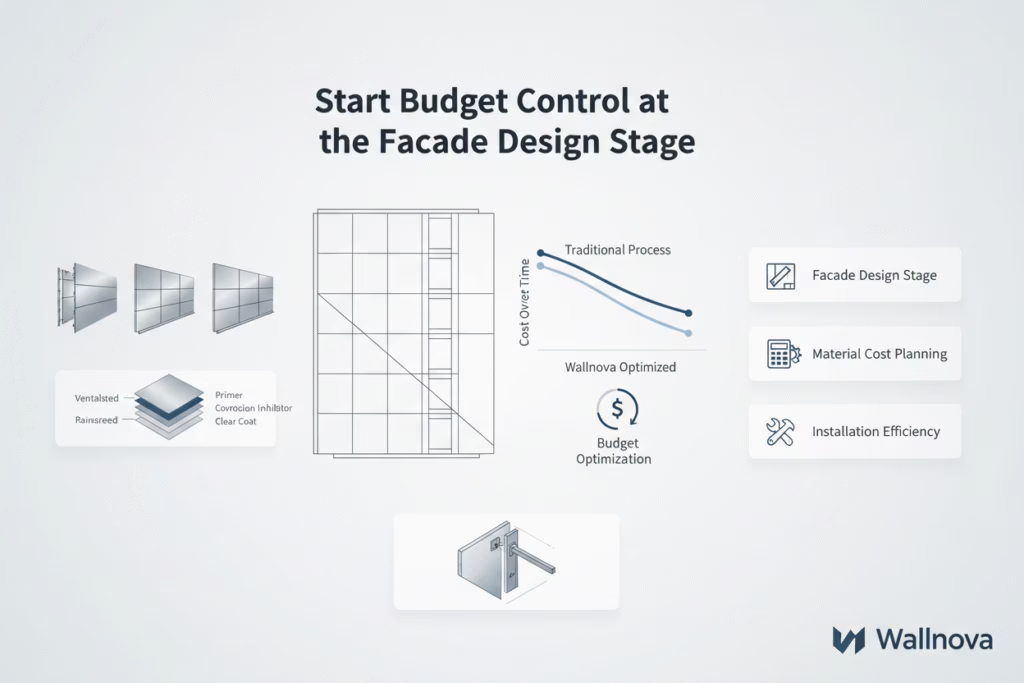
Start Budget Control at the Facade Design Stage
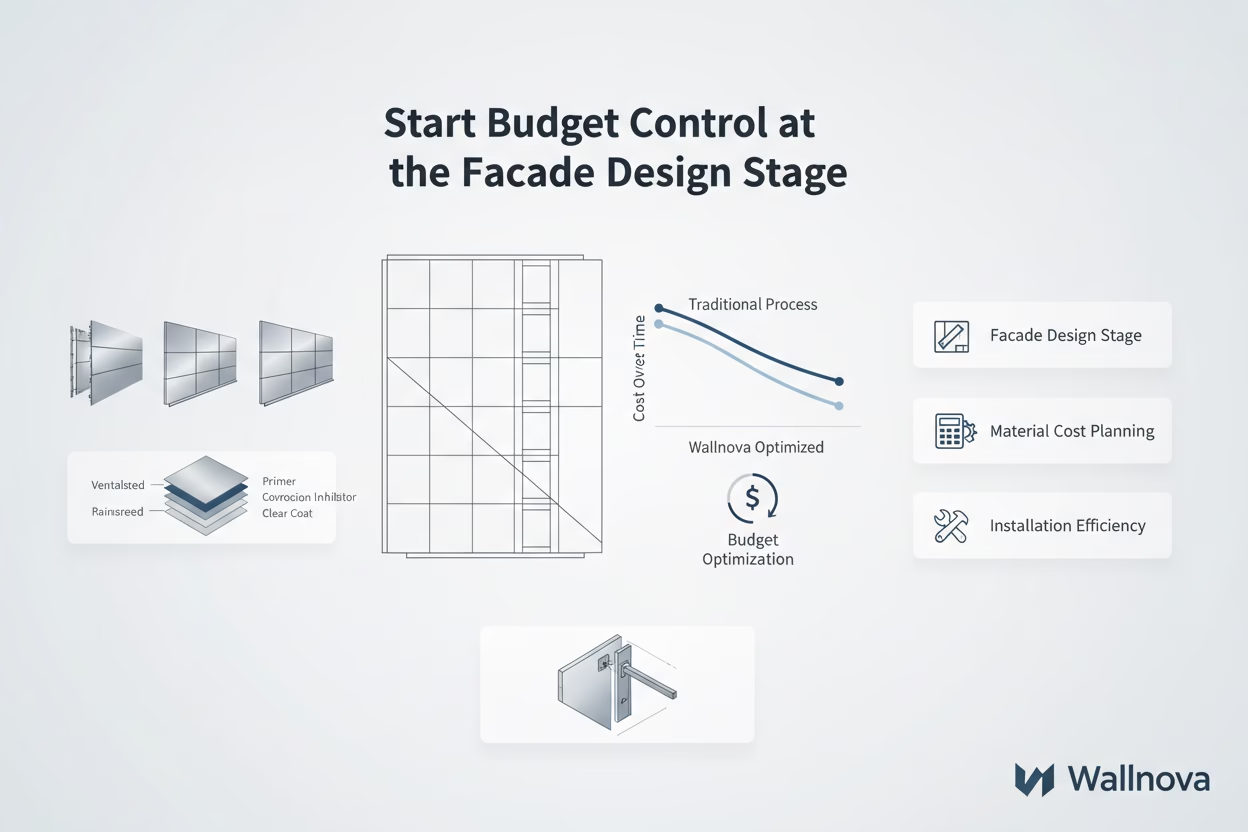
The most effective way to save money is not to buy the cheapest panel. It is to simplify the facade strategy before drawings become too complex. Early design decisions influence panel size, joint layout, fixing method, wastage, coating type, and installation labor.
- Use repeated panel modules where possible.
- Limit unnecessary custom curves or irregular shapes.
- Coordinate facade grids with structural bays and window openings.
- Confirm fire, wind-load, and local code requirements before quotation.
When the design team, facade supplier, and contractor review these items early, the aluminum cladding budget becomes easier to predict and easier to defend.
Choose the Right Aluminum Panel Type for Each Area
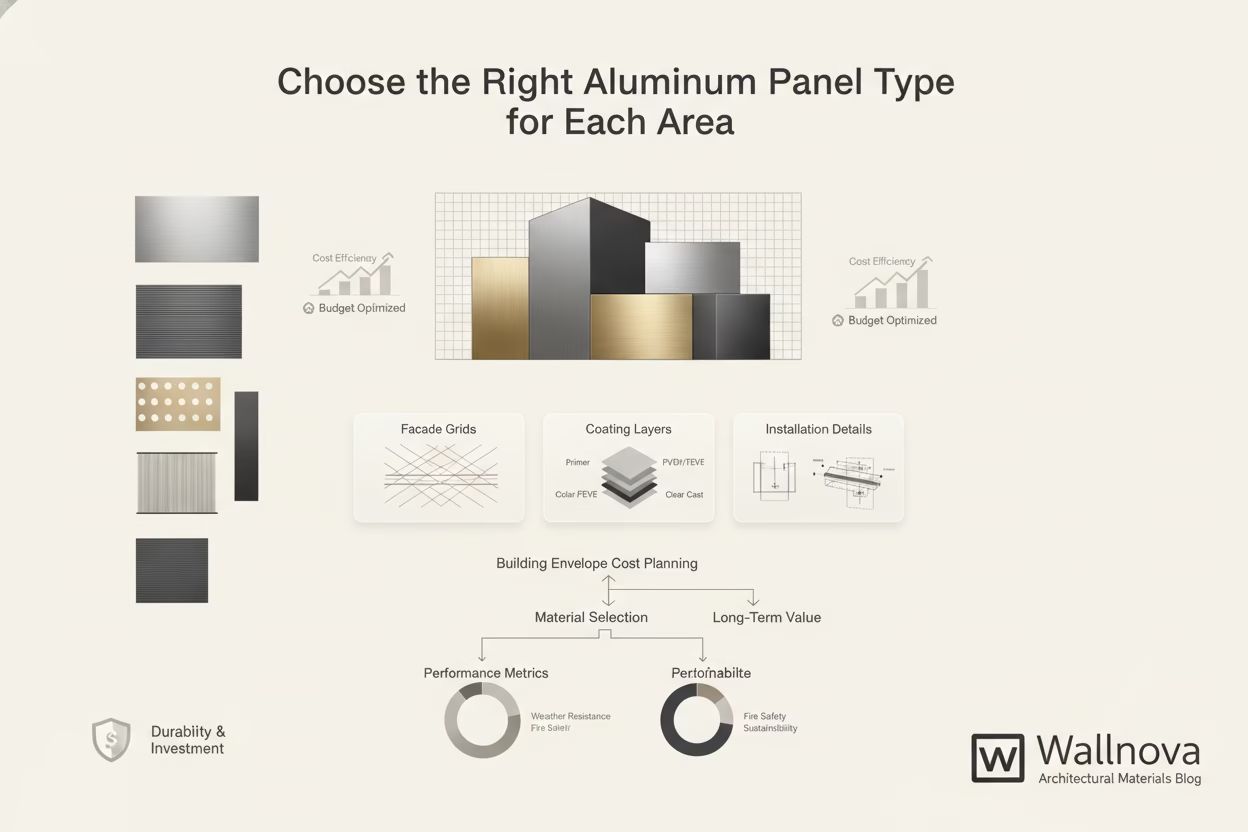
Different facade zones may need different panel specifications. A high-visibility podium facade may justify premium finishes, while upper floors or rear elevations may use a more standardized solution. Matching specification to function helps avoid over-engineering.
- Solid aluminum panels: suitable for durable, premium facades and complex fabrication.
- Aluminum composite panels: useful for lightweight cladding where local fire rules allow the selected core.
- Perforated aluminum panels: good for sun shading, ventilation, parking facades, and decorative screens.
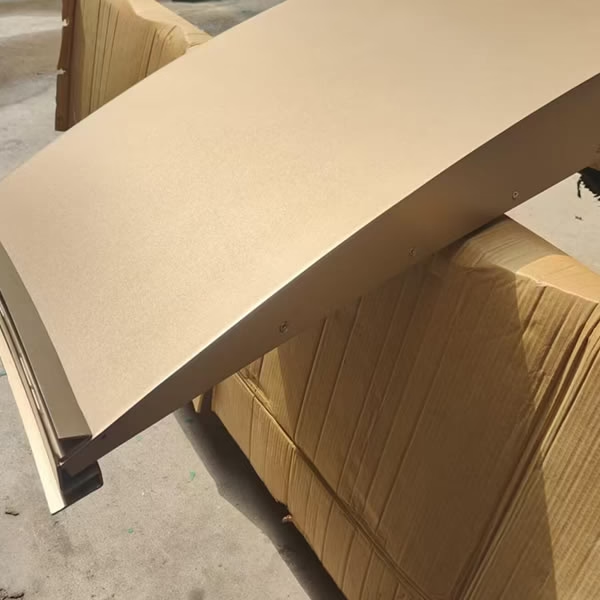
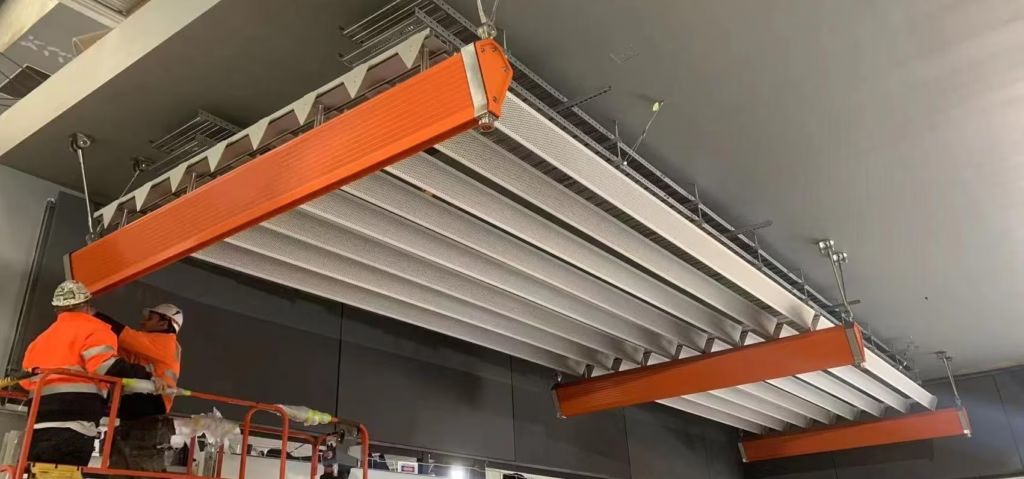
- Ceiling and soffit panels: require attention to access, drainage, and maintenance.
A balanced specification can keep the visual language consistent while controlling material cost across the full building envelope.
Optimize Panel Size to Reduce Waste and Fabrication Cost
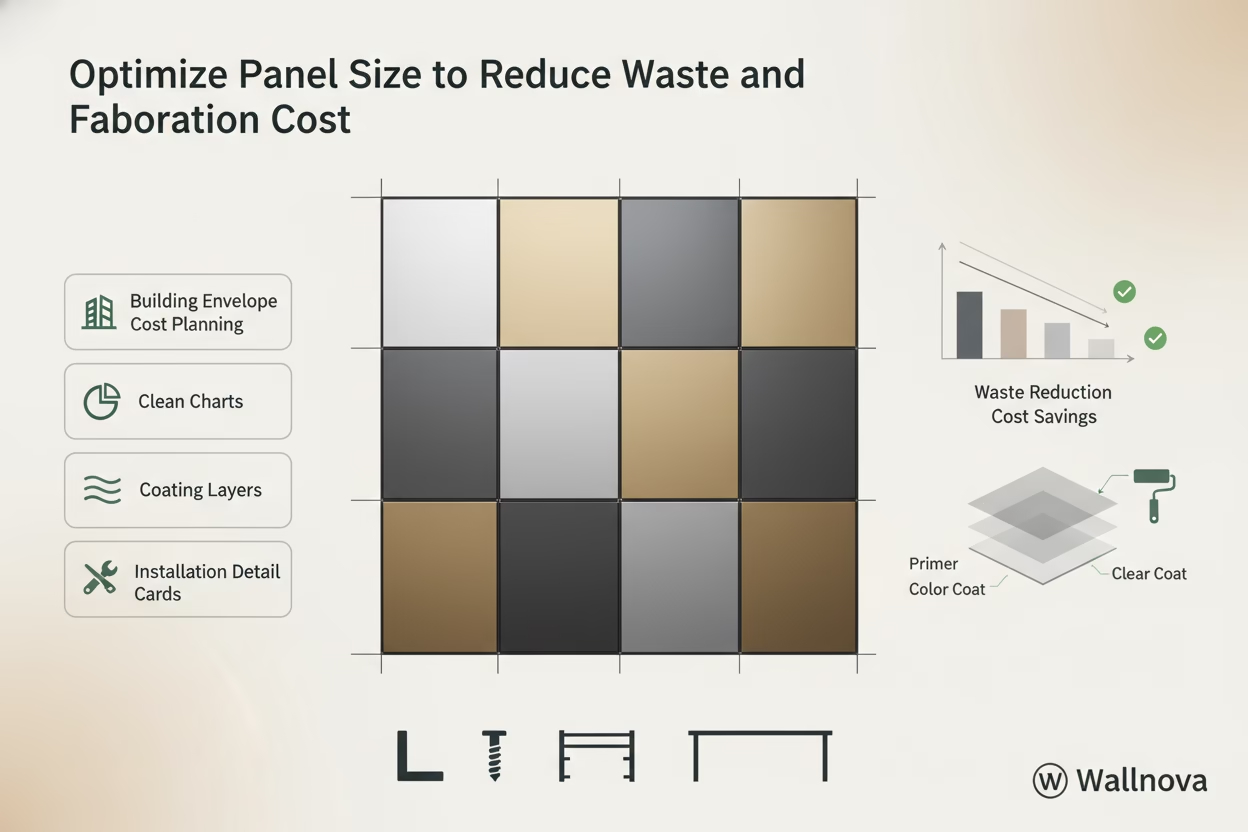
Panel size has a direct effect on budget. Very small panels increase fabrication and installation time, while oversized panels may create handling challenges, reinforcement requirements, or higher damage risk during transport.
A cost-efficient panel layout usually considers:
- standard aluminum sheet dimensions
- folding and bending limits
- joint width and reveal depth
- wind-load performance
- transport packaging and site handling
By aligning panel modules with available raw material sizes, a project can reduce offcuts and keep production more stable.
Compare Coating Systems by Lifecycle Value
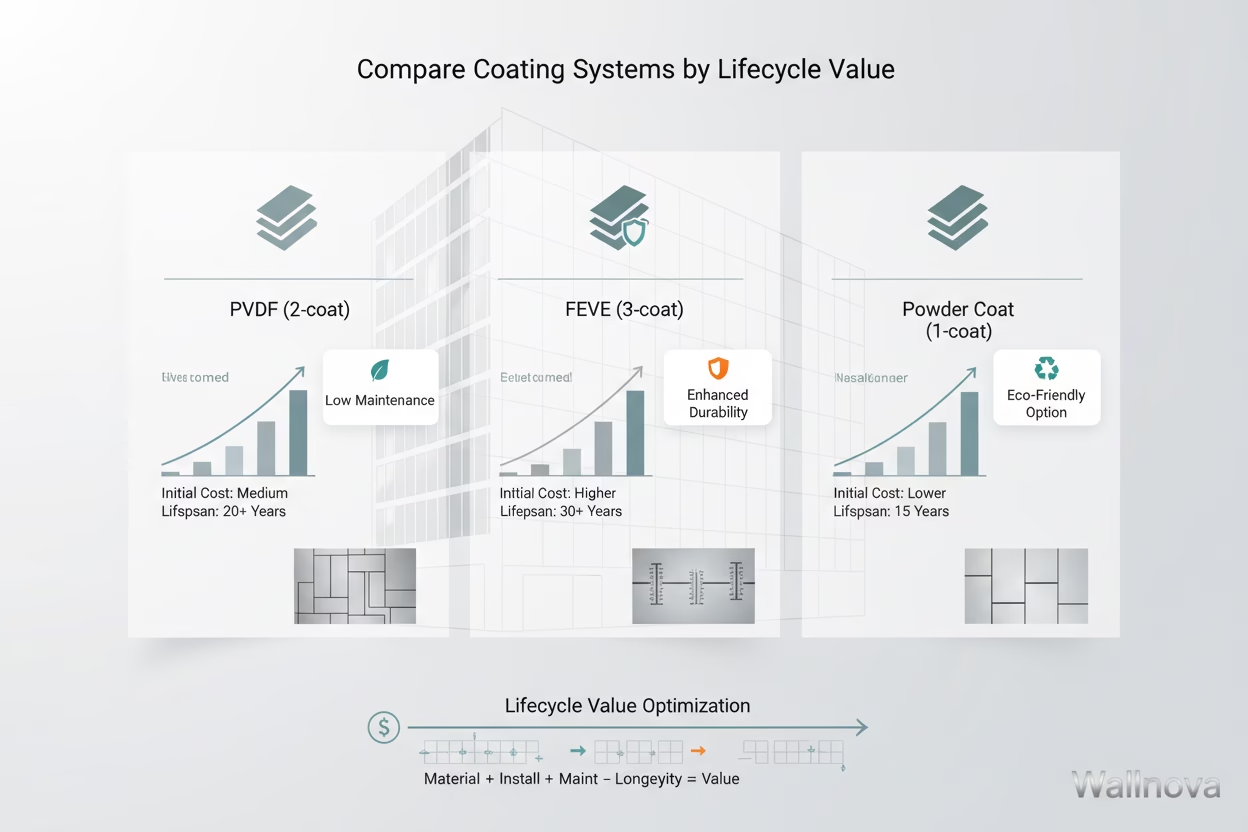
Coating is not only a color decision. It affects warranty, weather resistance, cleaning frequency, color stability, and long-term facade appearance. Choosing the wrong finish may save money during procurement but increase maintenance cost later.
- PVDF coating: strong exterior durability for demanding architectural facades.
- Powder coating: cost-effective for many projects, especially where color range and local conditions fit.
- Anodized finish: premium metallic appearance with strong surface character.
- Wood or stone effect finishes: useful when a natural look is desired without heavy materials.
For coastal, high-UV, industrial, or high-rise applications, lifecycle value should matter more than the lowest coating price.
Simplify Substructure and Fixing Details
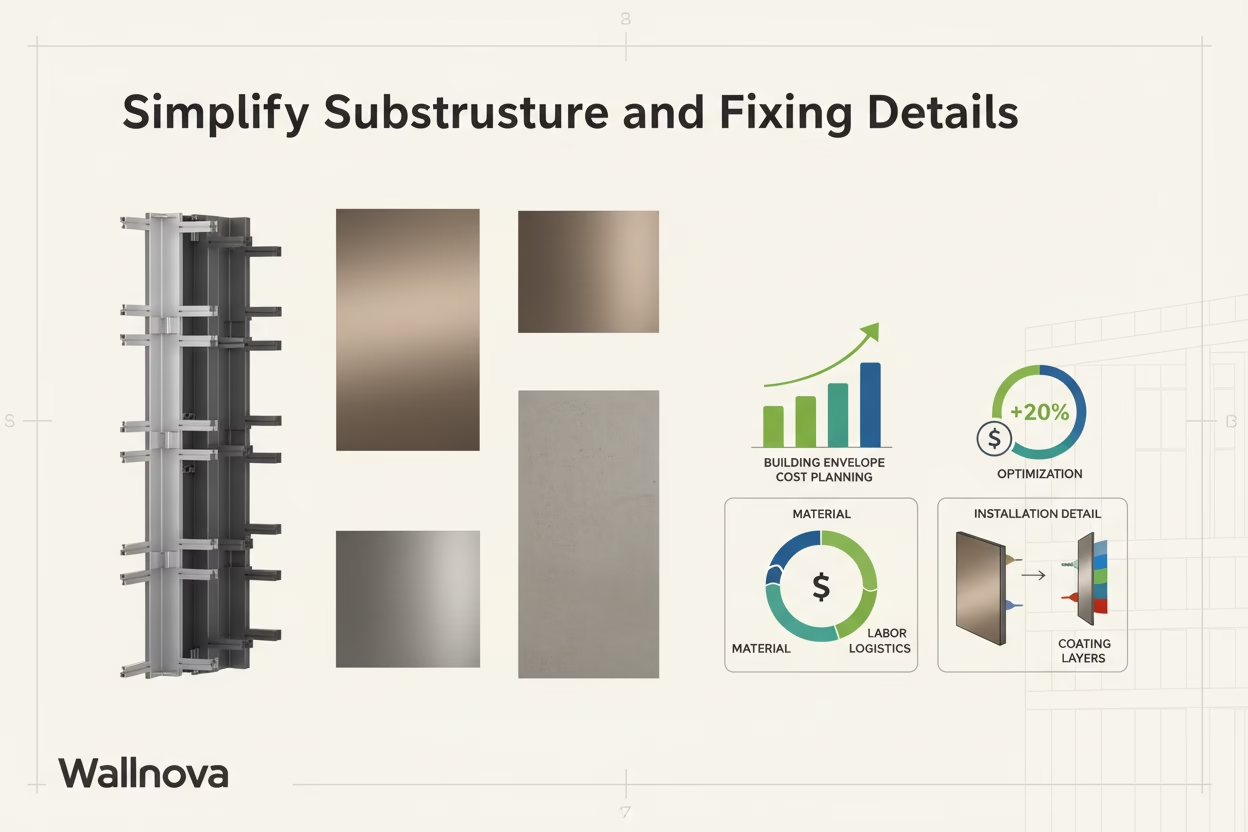
The hidden support system can become a major cost driver. Brackets, rails, anchors, insulation coordination, fire barriers, and tolerances all affect installation speed and risk. A smart aluminum facade cladding system balances appearance with practical fixing details.
Budget-friendly detailing may include:
- repeatable bracket spacing
- standardized rail profiles
- clear drainage and ventilation paths
- accessible replacement strategy for damaged panels
- coordination with insulation and waterproofing layers
Simple details reduce site confusion, shorten installation learning curves, and help contractors maintain quality.
Reduce Installation Risk with Better Shop Drawings
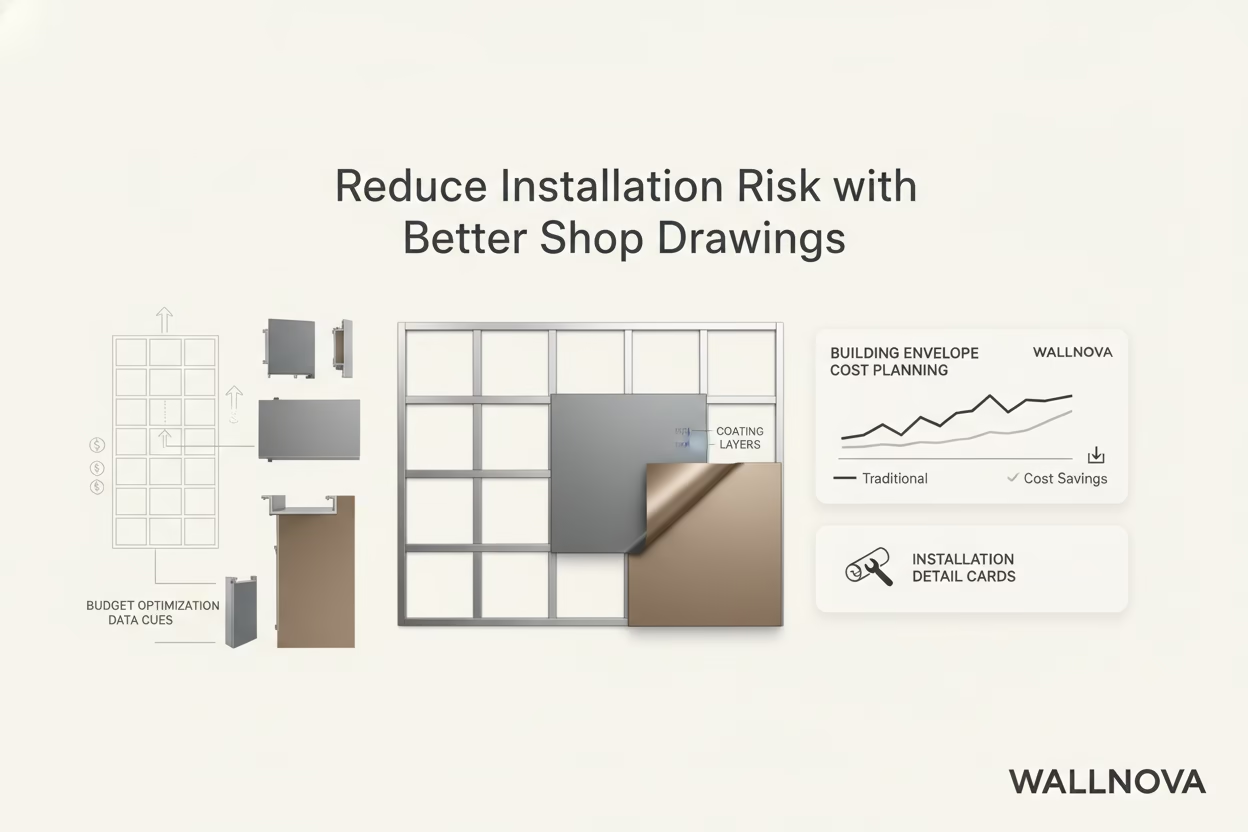
Many budget overruns happen on site, not in the factory. Incomplete shop drawings, unclear numbering, missing fixing details, and late design changes can create rework, delays, and damaged panels.
Before production, check whether the supplier can provide:
- panel layout drawings
- fabrication drawings
- installation sequence suggestions
- panel numbering and packing plans
- details for corners, window returns, parapets, soffits, and joints
Better documentation improves coordination among architects, facade consultants, contractors, and installers.
Plan Procurement Around Lead Time and Logistics
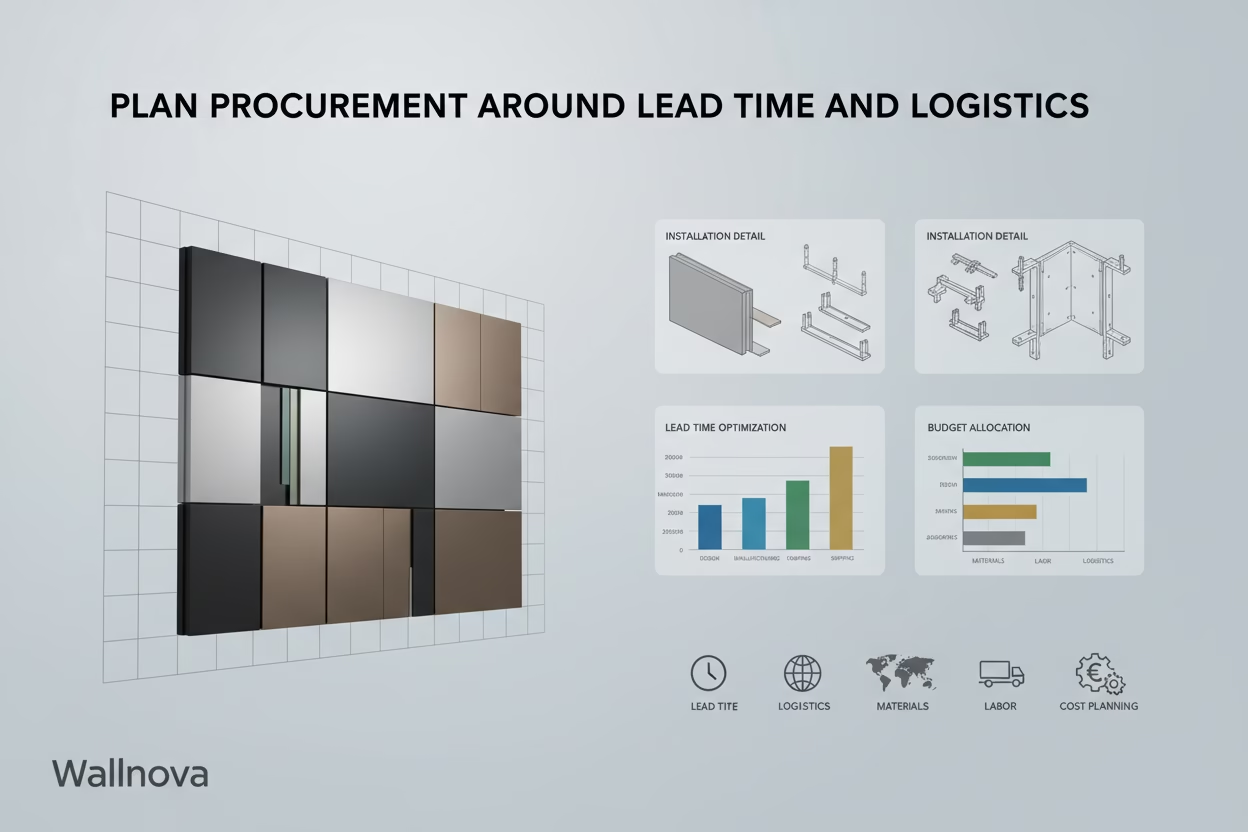
Aluminum facade cladding budgets can be affected by production schedules, coating availability, packaging method, container loading, and delivery sequence. A low material price is not useful if late delivery delays scaffolding removal or project handover.
Good procurement planning should define:
- approved drawings and color samples
- mock-up requirements
- batch production schedule
- packing method for finished panels
- delivery sequence by elevation or installation zone
For international projects, logistics planning should also consider sea freight timing, customs clearance, site storage, and damage prevention.
Evaluate Total Cost, Not Only Panel Price
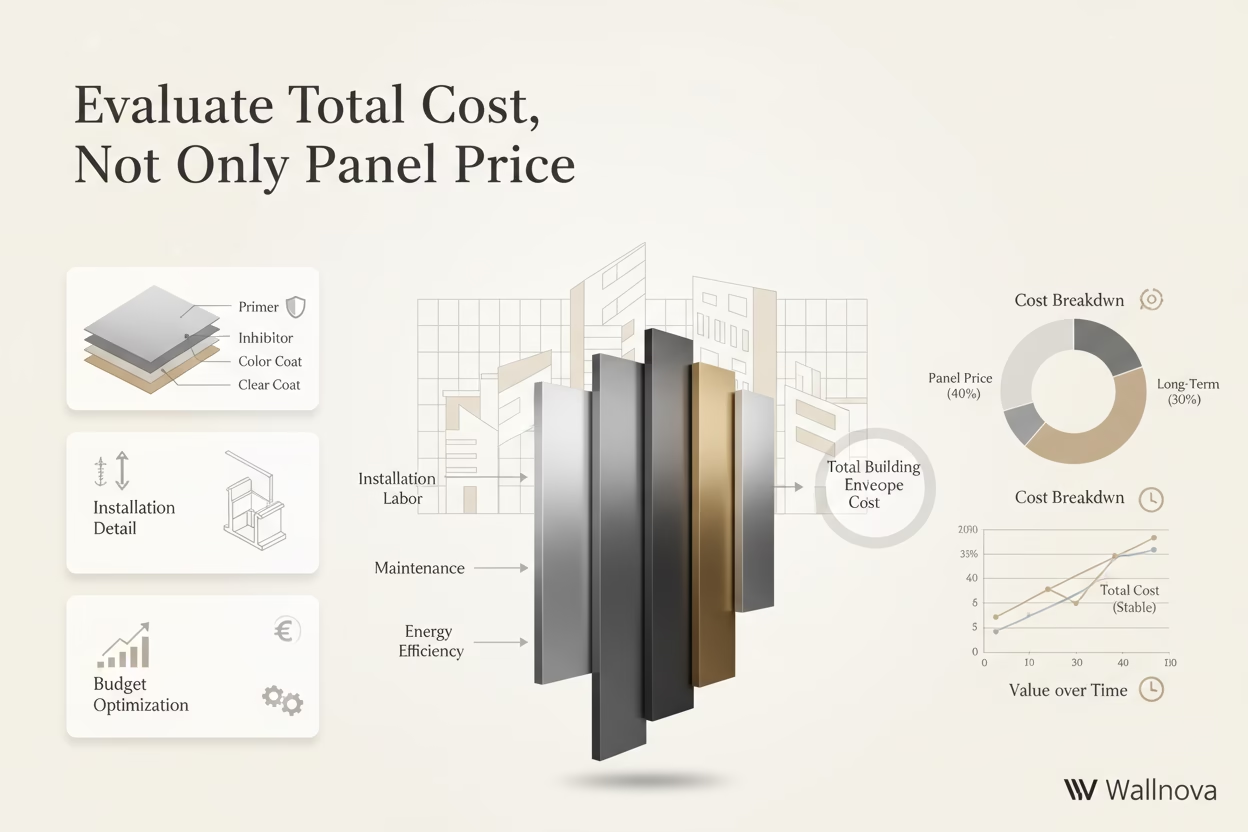
The best aluminum facade cladding system is not always the cheapest quote. Total project cost includes design support, fabrication accuracy, coating reliability, packaging, installation efficiency, warranty, and future maintenance.
When comparing suppliers, review:
- technical drawing capability
- material and coating certificates
- experience with similar building types
- quality-control process
- replacement and after-sales support
A slightly higher panel price may still reduce overall cost if it prevents rework, color inconsistency, late delivery, or facade defects.
How Wallnova Supports Budget-Friendly Facade Cladding Projects
Wallnova helps architects, developers, contractors, and facade companies plan aluminum cladding systems that balance appearance, performance, and cost. Support can include material selection, panel design review, coating recommendations, shop drawing coordination, custom fabrication, and project-based production planning.
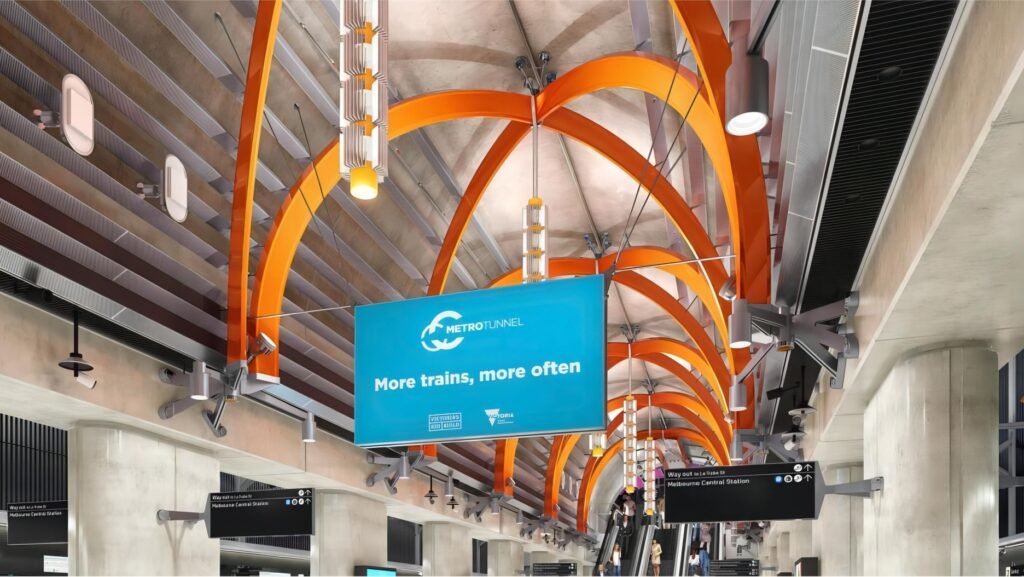
If your project needs aluminum facade cladding for commercial buildings, hotels, offices, retail spaces, transportation hubs, or public facilities, an early technical review can help identify where costs can be optimized without weakening the design intent.
Share your drawings, facade concept, finish requirements, and target budget range. Wallnova can help compare system options and propose a practical route from design to production.
 English
  Français
  Bahasa Indonesia
  Deutsch
  Italiano
  Español
  العربية
  Español de México
  Nederlands
  香港中文
香港中文